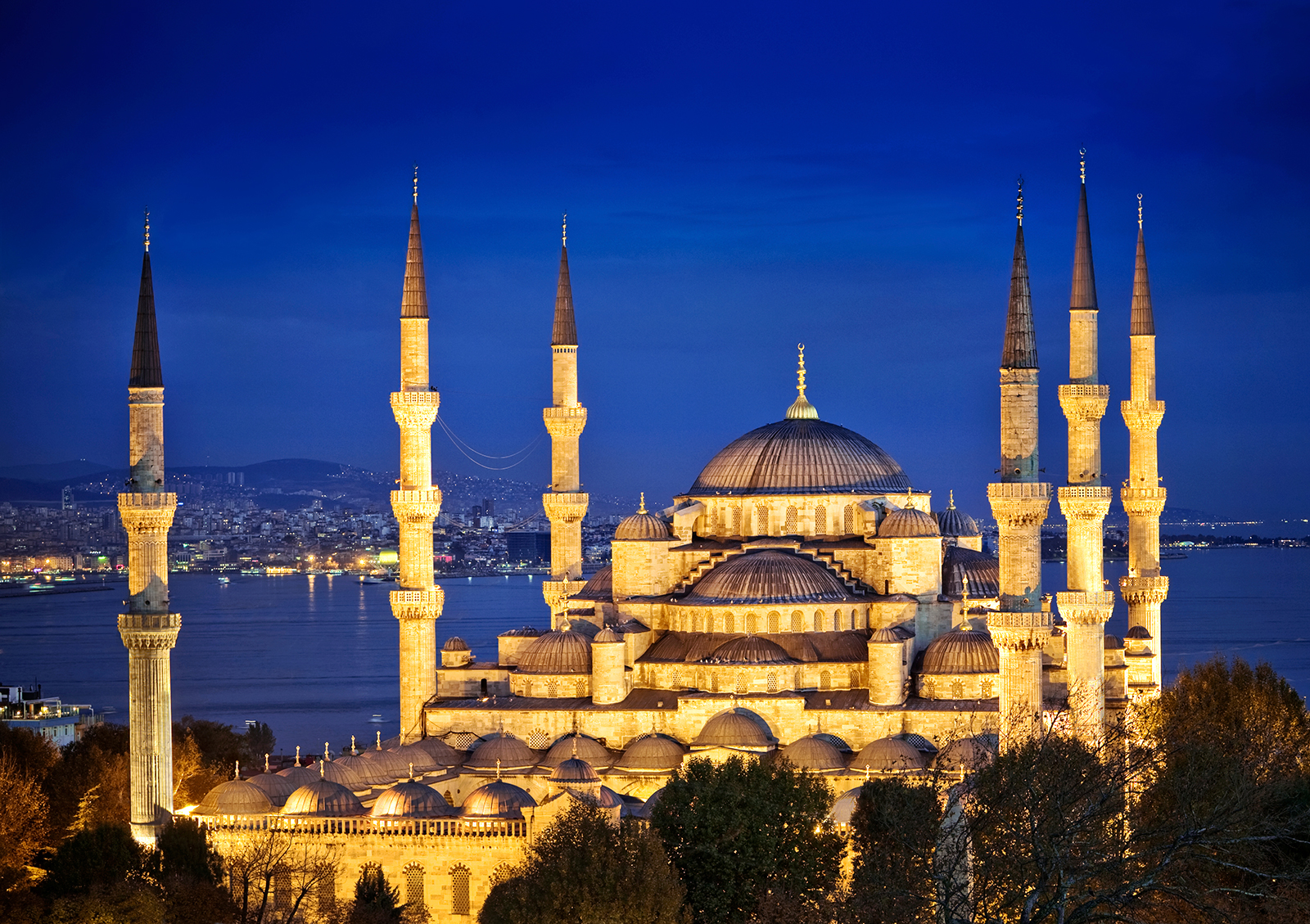
Turkey, a land steeped in rich history and unparalleled cultural heritage, is home to numerous landmarks that echo the tales of empires long past. One of the most significant and emblematic sites is the Hagia Sophia, an architectural marvel that has stood for nearly 1,500 years. This grand structure has transitioned through time from a cathedral to a mosque, and currently, it serves as a museum, encapsulating the essence of the civilizational crossroads Turkey represents. A glimpse into the Hagia Sophia reveals layers of intriguing content that not only celebrate architectural ingenuity but also provide insights into diverse religious practices and societal transformations over the millennia.
The Hagia Sophia, or Ayasofya in Turkish, was constructed under the Byzantine Emperor Justinian I, with monumental work commencing in 532 AD and culminating in its completion in 537 AD. The intent behind its creation was to instill awe among its visitors, and it does so with its colossal dome and innovative engineering. Guided by principles of symmetry and proportion, visitors often find themselves captivated by the grandeur of its interior, festooned with intricate mosaics and exquisite marble pillars. The dome, soaring at 56 meters, creates a harmonious interplay of light and space, offering a celestial ambience that draws visitors into a state of wonder.
The transformation of Hagia Sophia through various epochs is itself a compelling narrative. Originally built as a cathedral for the Eastern Orthodox Church, it was revered as the center of Christian worship for nearly 1,000 years. Noteworthy is the way the church played a pivotal role in the Byzantine Empire’s identity, influencing both ecclesiastical and imperial matters. The exterior, a pristine manifestation of Byzantine architecture, marries elegance with resilience, symbolizing the zenith of architectural achievement in its era.
When the Ottoman Empire conquered Constantinople in 1453, the Hagia Sophia underwent a significant metamorphosis. Sultan Mehmed II converted it into a mosque, augmenting its architectural design with Islamic features, including minarets and calligraphic inscriptions that adorn its walls. This adaptation is one of the hallmarks of its enduring legacy, as it still invokes a sense of shared history among diverse faiths. Presently, the intricate blend of Christian and Islamic artistry can be witnessed in its stunning mosaics of Mary and Jesus juxtaposed against Islamic calligraphy, creating a narrative of coalescence and coexistence.
The Hagia Sophia is not merely an architectural relic; it embodies the confluence of faiths and cultures. Each visit to the site offers an immersive experience, allowing visitors to engage with the layered histories that shaped this remarkable edifice. To amplify one’s understanding, guided tours are available that elucidate the historical context, artistic details, and significance of various elements within the structure. Knowledgeable docents adeptly delve into the symbolism embedded within the mosaics and the architectural advancements that make the dome an engineering marvel of its time.
For those contemplating a visit, the experience encompasses much more than just viewing a historical building. The surrounding area, known as Sultanahmet, brims with life and culture. Stroll through the vibrant streets laden with charming cafés, local bazaars, and market stalls bursting with the scents of spices and the sounds of merchants. This lively atmosphere juxtaposes the serene and contemplative environment found inside the Hagia Sophia, creating a dynamic dialogue between the past and the present.
Photography enthusiasts will find the Hagia Sophia to be a captivating subject. Its grandeur has inspired many to capture its majesty through their lenses. The interplay of natural light filtering through the windows enhances every shot, offering a chance to frame breathtaking images of both its majestic architectural features and the subtle nuances of its artistry. Early morning or late afternoon visits yield an especially magical quality to the light, resulting in enchanting photographs that echo the passage of time.
Another enriching aspect of visiting the Hagia Sophia is the opportunity to participate in religious observation. While the site is secular, its deep spiritual resonance remains. Visitors may witness moments of reflection and reverence, whether it is observing the quiet contemplation of a visitor speaking their prayers or the hushed awe experienced by art enthusiasts who gaze upon the centuries-old mosaics. Such encounters underline the spiritual continuum that the Hagia Sophia represents across generations and faiths.
As one wanders through the vast halls and stunning galleries of Hagia Sophia, the stories whispered through its walls resonate with an emotional undercurrent that can transform each visit into a personal pilgrimage. This landmark is more than a stop on a travel itinerary; it is a testament to humanity’s enduring quest for beauty, faith, and understanding. It serves as a reminder of the remarkable ability of architecture to transcend the boundaries of time and culture, knitting together a rich tapestry of historical significance.
In conclusion, the Hagia Sophia stands as a monumental testament to the convergence of history, faith, and artistic excellence in Turkey. A visit to this iconic landmark unfurls layers of meaning and experience, enriching the traveler’s understanding of a city that has thrived at the intersection of civilizations. Whether one approaches it as an artifact of the past, a work of art, or a spiritual site, the Hagia Sophia invites all to explore and reflect upon the myriad narratives that define our shared human heritage. Engaging with the Hagia Sophia is not merely an act of observation; it is an invitation to become part of a larger story that continues to unfold.










Leave a Comment