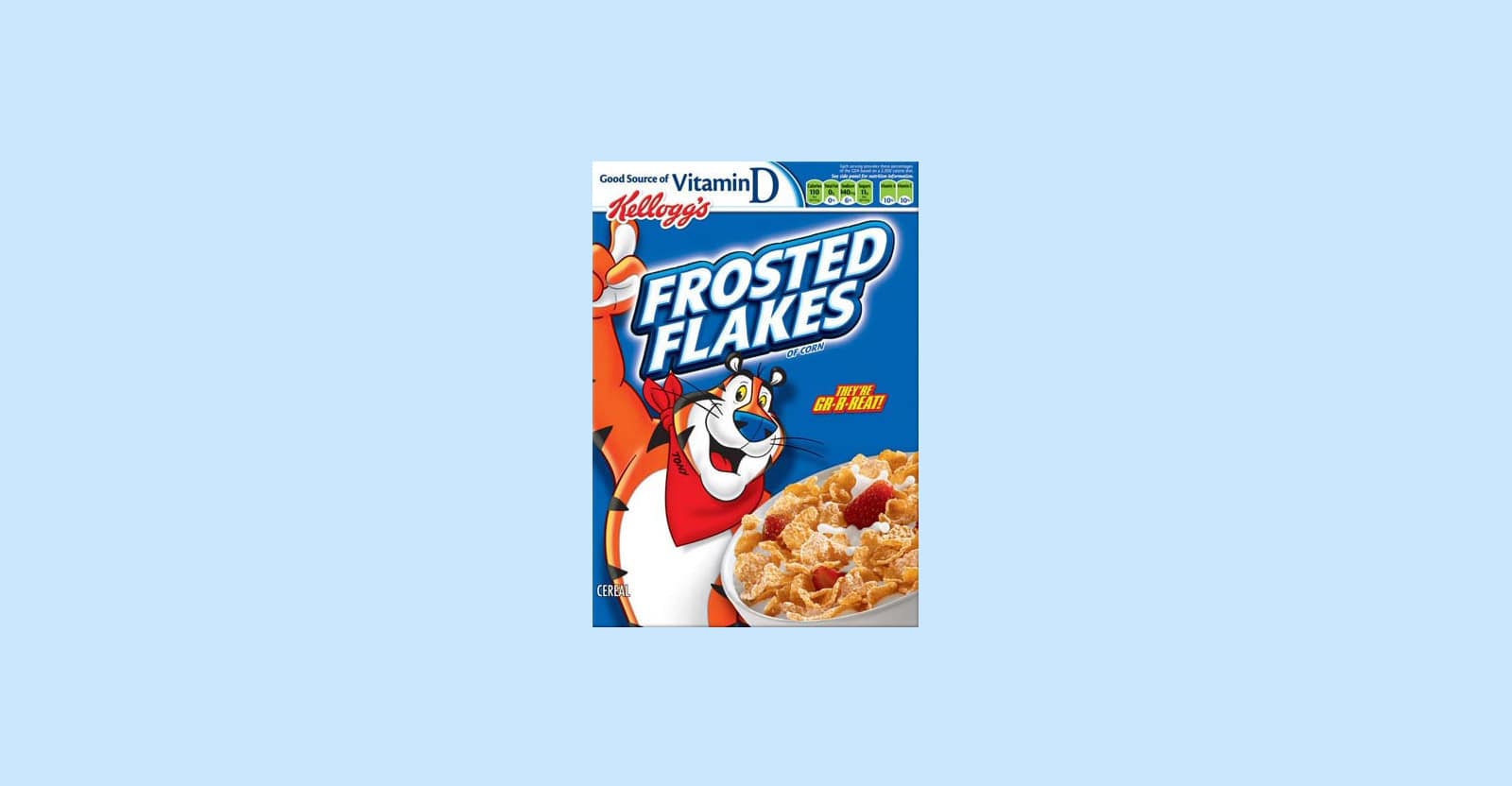
For many, breakfast embodies a world of possibilities, a canvas upon which to paint the dawn of a new day. One of the most beloved breakfast cereals is Frosted Flakes—a delightful concoction of corn flakes invigorated with a sugary glaze, favored by children and nostalgic adults alike. However, a pertinent question looms for those navigating the complexities of dietary restrictions: Are Frosted Flakes gluten-free? This query encapsulates more than just curiosity; it unveils a broader discourse on gluten intolerance, labeling intricacies, and the quest for suitable alternative foods.
To dissect this question, it is essential to delve into the nuances of gluten—a protein primarily found in wheat, barley, and rye. For individuals with celiac disease or gluten sensitivity, the consumption of gluten can lead to severe health complications. Hence, the gluten-free lifestyle is not merely a dietary choice for many; it is a necessity, dictating the parameters within which they can safely indulge in delicious food. As we navigate the domain of breakfast cereals, defining gluten-free becomes crucial, especially with products that seem innocuous.
Frosted Flakes, designed for maximum crunch and sweet satisfaction, feature corn as their primary ingredient. Corn, being inherently gluten-free, sparks optimism. However, assumptions can be misleading. The pivotal aspect lies not solely in the primary ingredients, but also in manufacturing practices and additional components. To understand whether Frosted Flakes truly hold the gluten-free crown, one must consider the possibility of cross-contamination. This phenomenon can occur during processing, where gluten-containing grains may inadvertently mingle with corn, thus contaminating the end product.
Consequently, the manufacturer’s practices come into focus. Frosted Flakes are produced by a company that has extensive facilities dedicated to various cereal types, some of which do contain gluten. Identifying whether the company employs stringent gluten-free protocols becomes imperative. Aside from the manufacturing process, ingredient specificity garners attention. In terms of flavor, Frosted Flakes boast additional components such as malt flavoring, derived from barley. This inclusion can tarnish the gluten-free status, creating a paradox where the beloved cereal may not be suitable for all consumers.
As curiosity deepens, understanding the difference between “gluten-free” and “contains gluten” further enriches one’s knowledge. A product labeled as “gluten-free” must meet stringent regulations. According to FDA standards, it should contain less than 20 parts per million (ppm) of gluten—a threshold deemed acceptable for those with gluten sensitivities. However, the absence of such labeling on a product could denote ambiguity, raising alarms among those with strict adherence to gluten-free diets. Such is the case with Frosted Flakes, which lacks this explicit designation, leaving consumers in a liminal space of indecision.
Moreover, examining personal experiences and community narratives may shed light on the prevailing discourse surrounding Frosted Flakes. Anecdotal evidence from individuals with gluten sensitivities often paints a varied picture. Some report enjoying the cereal without issue, while others recount adverse reactions. These divergent experiences emphasize the importance of individualized responses to food, highlighting that what is suitable for one may pose risks for another.
To further educate on this topic, it becomes essential to explore viable alternatives for those seeking gluten-free options. The breakfast market has evolved, enshrining innovation to cater to a spectrum of dietary needs. Numerous cereals exist that proudly bear the gluten-free label, ensuring they won’t compromise the well-being of those averse to gluten. Whole grains such as quinoa, brown rice, and oats (certified gluten-free) can serve as foundational elements for healthy, breakfast choices. Crisp rice cereals and corn-based options abound, presenting both taste and nutritional benefits without the gluten-related concerns.
Additionally, the rise of gluten-free brands and specialized food manufacturers illustrates a growing awareness of dietary restrictions. They offer a cornucopia of flavors, textures, and health-conscious ingredients designed to titillate the palate without the impending gluten threat. Exploring these alternatives can lead to newfound breakfast joys while maintaining safety and satisfaction.
As we revise our understanding of Frosted Flakes, one must internalize the implications of gluten in modern diets. The conversation surrounding gluten-free options is ever-evolving, interweaving personal narratives with broader health considerations. For the health-conscious or gluten-sensitive consumer, weighing Frosted Flakes against their dietary needs becomes a pivotal decision-making process. While the cereal may tantalize taste buds and evoke nostalgia, those with gluten concerns must tread with caution.
In conclusion, the question “Are Frosted Flakes gluten-free?” does not yield a definitive answer. The cereal’s primary ingredient may indeed be gluten-free, yet the specter of cross-contamination and the presence of malt flour introduces complexity. For individuals keen on safeguarding their health, vigilance is paramount. In the grand tapestry of dietary choices, navigating gluten-free options can lead to delectable discoveries beyond Frosted Flakes, allowing breakfast to remain a delightful and safe venture for everyone.










Leave a Comment