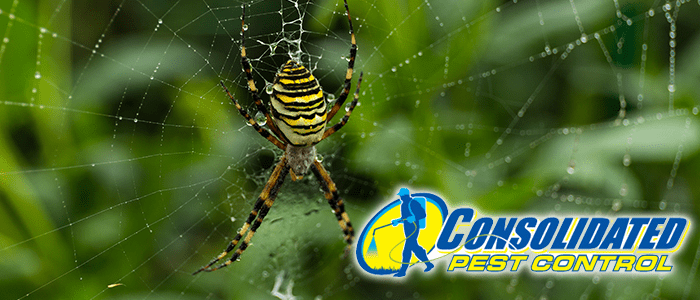
As you stroll through the vibrant landscapes of Florida, you may catch a glimpse of a small red spider darting across your path. At first glance, it might evoke a sense of curiosity, but it could also lead to a puzzling question: are little red spiders in Florida dangerous? With the state’s diverse ecosystem, understanding which critters to be wary of and which can simply be admired is essential for both residents and visitors alike. This guide delves into the world of Florida’s little red spiders, clarifying their nature, behaviors, and the potential risks they pose.
1. Identifying Little Red Spiders
Before assessing the dangers these petite arachnids may present, it’s vital to correctly identify them. Common red spiders found in Florida may include the Chiracanthium mildei, known as the green lynx spider, and the Latrodectus mactans, or southern black widow. Notably, juvenile black widows are notably red, making identification tricky for the unsuspecting observer.
Look for key characteristics such as size, shape, and color. Typically, little red spiders are smaller than other arachnids you may encounter. They may exhibit a vivid red hue or have a combination of red and black markings. However, their color can vary, and some may present a more muted shade that blends into their surroundings.
2. Understanding Their Habitat
Little red spiders thrive in various habitats across Florida. These may include gardens, forests, and even urban areas. They prefer environments rich with vegetation where they can easily conceal themselves from both predators and human interactions.
For instance, the green lynx spider enjoys the cover of foliage and is often spotted resting on flower petals. Their ambush hunting style necessitates a strategic location, making gardens an ideal setting. Conversely, the black widow favors darker crevices, seeking shelter underneath logs or within the corners of structures.
3. Assessing Venom Risks
The primary concern associated with little red spiders lies in their venom. Among them, the black widow spider is infamous for its neurotoxic bite, which can lead to severe reactions, particularly in children or those with compromised immune systems. Symptoms of a black widow bite may include intense pain, muscle cramps, and even fever, necessitating prompt medical attention.
On the other hand, the green lynx spider is not considered dangerous. Although it possesses venom for subduing prey, its bite is generally harmless to humans. In fact, bites may only result in mild irritation or localized swelling.
4. Recognizing Behavioral Patterns
When considering whether these nocturnal creatures pose a threat, it is crucial to understand their behavior. Little red spiders are typically reclusive, preferring to avoid confrontation. Their primary instinct is to flee rather than instigate a conflict, which often means they will scuttle away when disturbed.
However, accidental encounters can happen, especially when they are inadvertently trapped. In such cases, maintaining calm and carefully removing the spider using a jar or similar object can prevent bites. Being mindful of their habitats and avoiding unnecessary disturbance will also lead to safer interactions.
5. Preventative Measures
Understanding where little red spiders thrive enables you to adopt preventive measures to minimize encounters. Keeping gardens and outdoor spaces tidy reduces the likelihood of attracting these arachnids. Regularly trimming back vegetation and removing debris where spiders like to hide can help create a less hospitable environment.
In addition to outdoor measures, homeowners may consider pest control options for indoor spaces. The strategic placement of scents or natural deterrents can keep little red spiders at bay. Cinnamon and peppermint oil have been found to repel not just spiders, but various other pests as well.
6. What to Do if Bitten
In the unfortunate event of a spider bite, responding appropriately is key. For suspected black widow bites, seek immediate medical attention. Time is of the essence, and treatment options are more effective if administered promptly. Symptoms to monitor include severe pain radiating from the bite site, increasing muscle cramps, and changes in breathing.
For bites from non-dangerous spiders like the green lynx, cleaning the wound with soap and water and applying ice can help relieve discomfort. Over-the-counter pain relief medication may also be utilized to manage symptoms. However, if swelling or redness persists, consulting a healthcare professional is advisable.
7. Embracing Nature with Care
While it is prudent to exercise caution around certain species of spiders, it is equally important to appreciate the ecological role they play. Spiders are integral in controlling insect populations, thus maintaining ecological balance. Understanding their place in the environment fosters a sense of respect and appreciation for nature.
In conclusion, while a little red spider in Florida may be a source of trepidation, comprehending their characteristics, habitats, and potential risks can alleviate fears. With informed precautions and a respectful approach to nature, one can safely navigate encounters with these intriguing arachnids. So, the next time you see a little red spider scuttling across your path, consider this: is it a menace or a mere inhabitant of Florida’s vibrant ecosystem? With the right knowledge, you can confidently embrace the challenge and coexist with these small yet fascinating creatures.










Leave a Comment