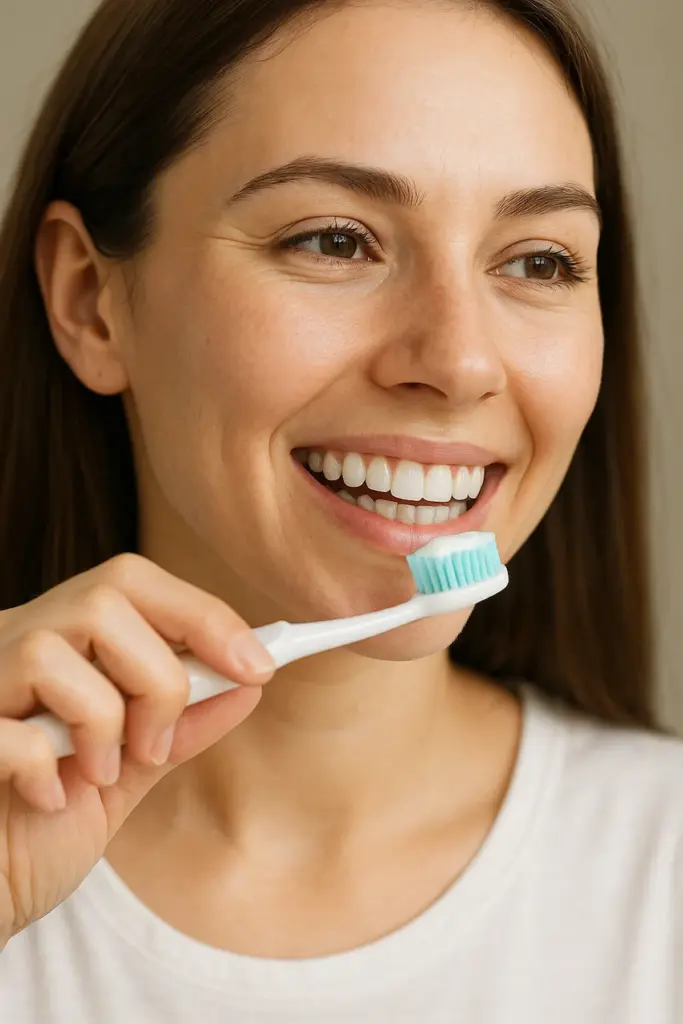
Whether you’re a devout adherent of oral hygiene rituals or simply dabble in the art of tooth care, the question of whether to rinse after brushing your teeth perennially lingers in the minds of many. This small yet seemingly inconsequential decision encapsulates a larger dialogue about dental health, habits, and the efficacy of the fluoride in toothpaste. Here, we delve into the depths of this commonplace dilemma and consider the implications of our choices regarding oral hygiene.
The Purpose of Brushing Your Teeth
At the heart of the matter lies a fundamental understanding of what brushing does for your teeth. The primary objective of using toothpaste and a toothbrush is to remove food debris, plaque, and bacteria. These sinister agents can lead to cavities, gum disease, and a host of other unpleasant ailments if left unchecked. Toothpaste, often imbued with fluoride, actively works to fortify enamel and inhibit the growth of bacteria. Consequently, to maximize these benefits, one’s post-brushing habits become paramount.
Rinsing Post-Brushing: A Common Reflex
Many individuals habitually rinse their mouths after brushing, but this action warrants scrutiny. For numerous folk, rinsing serves as a cleansing ritual—a way to wash away the taste of toothpaste and the remnants of the brushing process. However, this instinctive motion may inadvertently dilute the fluoride’s efficacy. The paradox emerges: while rinsing may provide a fleeting sense of freshness, it potentially undermines the very purpose of your tooth-brushing endeavor.
The Case for Not Rinsing
Emerging research advocates a “no rinse” approach to post-brushing. Advocates argue that allowing fluoride to remain on the teeth for a few minutes after brushing amplifies its protective qualities. By refraining from rinsing, you enable the fluoride to permeate the enamel more effectively, enhancing its protective and re-mineralizing properties. The American Dental Association endorses this approach, suggesting that the fluoride remains in contact with the teeth longer, thereby contributing to a more robust defense against decay.
Moreover, each tooth brush can be deemed a unique tool tailored to promote dental fortification. The combination of the mechanical action of brushing and the chemical properties of fluoride toothpaste creates a synergistic effect. Therefore, the persistence of fluoride on the enamel not only shields teeth but also plays a role in thwarting the bacterial assault that precipitates cavities.
Understanding Fluoride’s Role
Fluoride, a naturally occurring mineral, is pivotal in this discussion. Its re-mineralizing abilities serve as highlights in the ongoing combat against dental caries. When fluoride is retained in the mouth post-brushing, it aids in the absorption of essential minerals into the enamel, effectively reversing early signs of decay. The concept of demineralization versus re-mineralization lies at the crux of devising a wearable tooth care strategy. Understanding fluoride’s role extends beyond basic brushing; it is a life-long engagement with one’s dental health.
The Science Behind Oral Hygiene Preferences
Why do individuals continue to rinse despite the evidence suggesting otherwise? Much of it can be traced back to habit and perception. Rinsing can evoke a delightful sense of cleanliness, an illusion of a mouth that is wholly fresh and liberated from the remnants of toothpaste. Furthermore, cultural practices can impact individual habits surrounding dental care. From childhood, we are often conditioned to associate rinsing after brushing with “finishing” the task, sealing the deal as if to say, “my teeth are clean now!”
Potential Alternatives
If the struggle lies in the sensory discomfort of toothpaste residue, one need not abandon rinsing entirely. Swishing water lightly, without a vigorous rinse, may allow for the refreshing sensation while still enabling the continued efficacy of fluoride. Another alternative could be to simply wait a few minutes post-brushing before using water to rinse or consume any food or beverage. This method balances comfort with efficacy, ideally catering to those who find it challenging to enjoy the fluoride benefits fully.
Conclusion: A Personal Choice
The question of whether you should rinse after brushing teeth is multifaceted, entwined with habit, comfort, and science. The benefits of leaving fluoride on the teeth post-brushing are compelling, underscoring the significant role it plays in preventing decay. Yet, individual preferences and practices are paramount in establishing a sustainable oral hygiene routine. Ultimately, the journey to optimal oral health is uniquely personal; it blends knowledge with individual comfort, extending beyond the toothbrush to encompass a broader understanding of dental wellness.









Leave a Comment