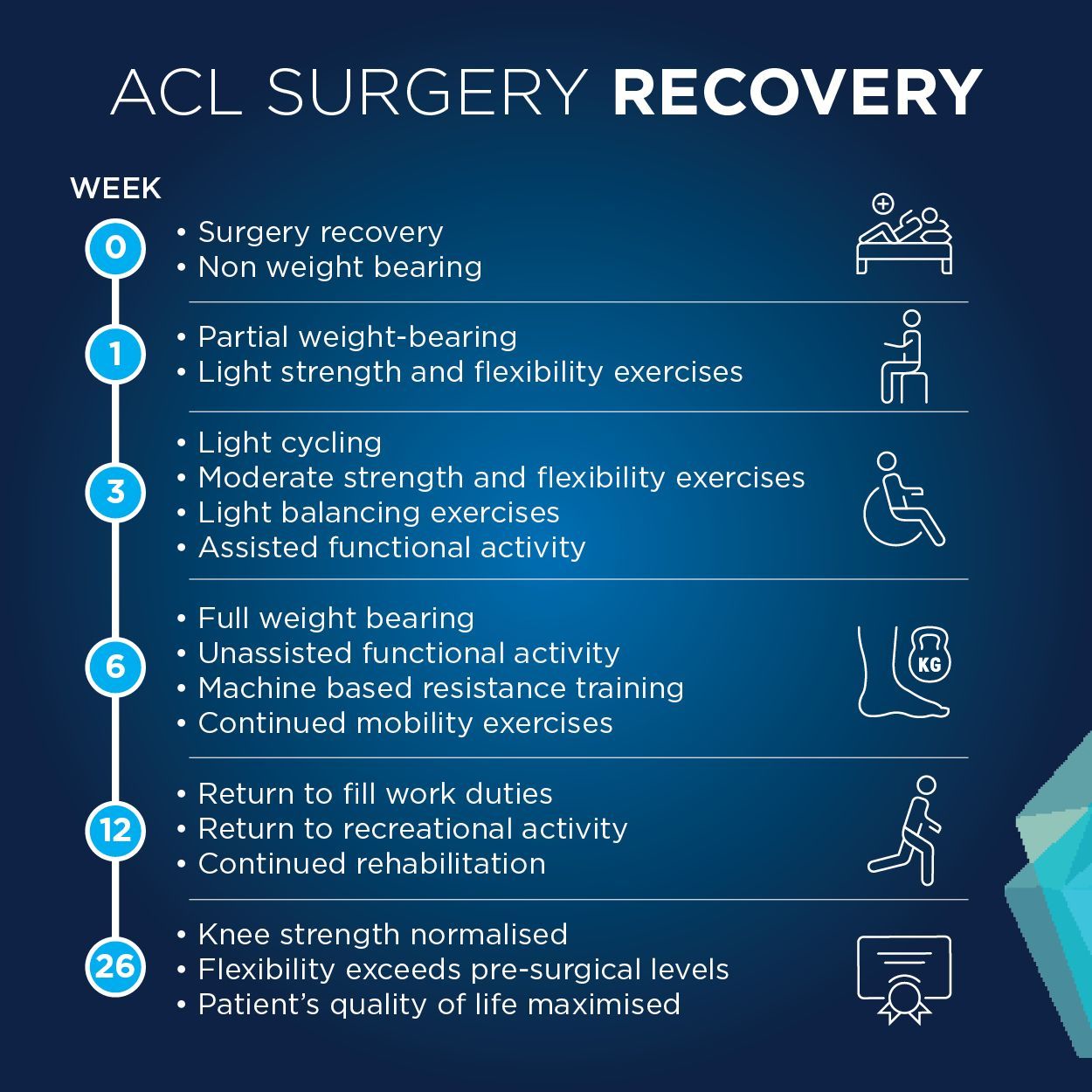
After undergoing ACL (anterior cruciate ligament) surgery, individuals often experience a complex array of physiological changes as their bodies embark on the intricate path to recovery. While some post-operative symptoms are relatively benign, certain indications can signal troublesome complications that warrant immediate attention. Understanding these warning signs is crucial for anyone recovering from ACL surgery, as they can significantly affect the overall rehabilitation process and long-term outcomes. This article delves into the myriad of disturbing signs to be vigilant about post-surgery, thereby highlighting the importance of awareness in fostering a successful recovery.
1. Excessive Swelling
Post-operative swelling is commonplace and expected following ACL surgery; however, if the swelling becomes excessive or seems disproportionate to the surgical trauma, it may indicate complications such as infection or blood clots. Typically, mild to moderate swelling is manageable and diminishes as healing progresses. Yet, a marked increase in swelling, especially if accompanied by significant pain, should trigger an immediate consultation with a healthcare professional.
2. Persistent Pain
While some discomfort is anticipated after the surgery, persistent pain that escalates rather than subsides can be a red flag. This can suggest various underlying issues such as improper healing of the graft, the potential presence of nerve damage, or even a tear of the newly reconstructed ligament. Pain that is sharp or localized, rather than general soreness, should be scrutinized closely.
3. Fever and Chills
Fever is an alarming symptom following any surgical procedure, as it may signify an infection. While a slight elevation in temperature can be normal, a fever exceeding 101°F, coupled with chills, should prompt immediate investigation. Infections can lead to severe complications if left untreated, underscoring the need for vigilance in monitoring one’s body temperature after surgery.
4. Numbness or Tingling
Another concerning sign to be mindful of is the presence of numbness or tingling sensations in the leg or foot. Such sensations could indicate nerve entrapment or damage, possibly stemming from surgical procedures or post-operative swelling. These neurological symptoms could hinder proper mobility and necessitate a more profound inquiry to delineate the cause.
5. Limited Range of Motion
Following ACL surgery, patients are expected to engage in a structured rehabilitation program designed to restore their range of motion. If substantial limitations persist beyond the expected time frame, it may indicate complications such as scar tissue formation (arthrofibrosis). This condition can severely impede recovery and necessitate a reevaluation of rehabilitation strategies.
6. Discoloration and Changes in Skin Temperature
Changes in skin coloration around the surgical site, particularly a pallor or darkening, may indicate compromised blood flow. Additionally, skin that feels excessively warm or cold to the touch compared to surrounding areas might suggest infections or vascular complications that need urgent medical attention. Analyzing these changes helps to identify systemic issues that could impede proper healing.
7. Instability or Giving Way
A sensation of instability or the knee giving way is especially alarming for ACL surgery patients. It may suggest that the ligament is either not healing correctly or that there has been surgical failure. Patients often expect a rehabilitated knee to gradually regain strength and stability, making any feelings of weakness a cause for concern. This sensation warrants immediate evaluation by a qualified orthopedic surgeon.
8. Drainage from the Incision Site
While a small amount of drainage can be expected, any substantial or foul-smelling leakage from the surgical site can indicate an underlying infection. Proper post-operative care necessitates keeping the incision site clean and observing for any unusual symptoms. If drainage is present, accompanying signs such as increased redness or warmth further exacerbate the concern and necessitate urgent medical assessment.
9. Prolonged Recovery Timeline
Every patient’s recovery timeline varies based on individual circumstances, but marked deviations from typical healing patterns—especially if accompanied by other concerning symptoms—should raise alarm bells. In a well-managed recovery process, patients progressively regain strength and functionality. A plateau in recovery or regression may signify more profound issues necessitating intervention.
10. Anxiety or Depression
Lastly, while not a physical symptom, the psychological impact of post-operative complications can take a toll on an individual’s mental health. Anxiety and depression are common responses to protracted recovery and persistent pain. Being cognizant of one’s mental state during the rehabilitation journey is equally important, as psychological wellbeing is intrinsically linked to physical recovery.
In conclusion, vigilance in recognizing and responding to bad signs post-ACL surgery can significantly influence recovery trajectories. The signs outlined serve as a roadmap for patients and caregivers alike, ensuring that any concerning changes are met with timely medical intervention. Empowering oneself with knowledge lays the groundwork for a smoother recovery, ultimately restoring mobility and quality of life. Listening to one’s body and maintaining open communication with healthcare providers remains crucial throughout this multifaceted healing process.











Leave a Comment