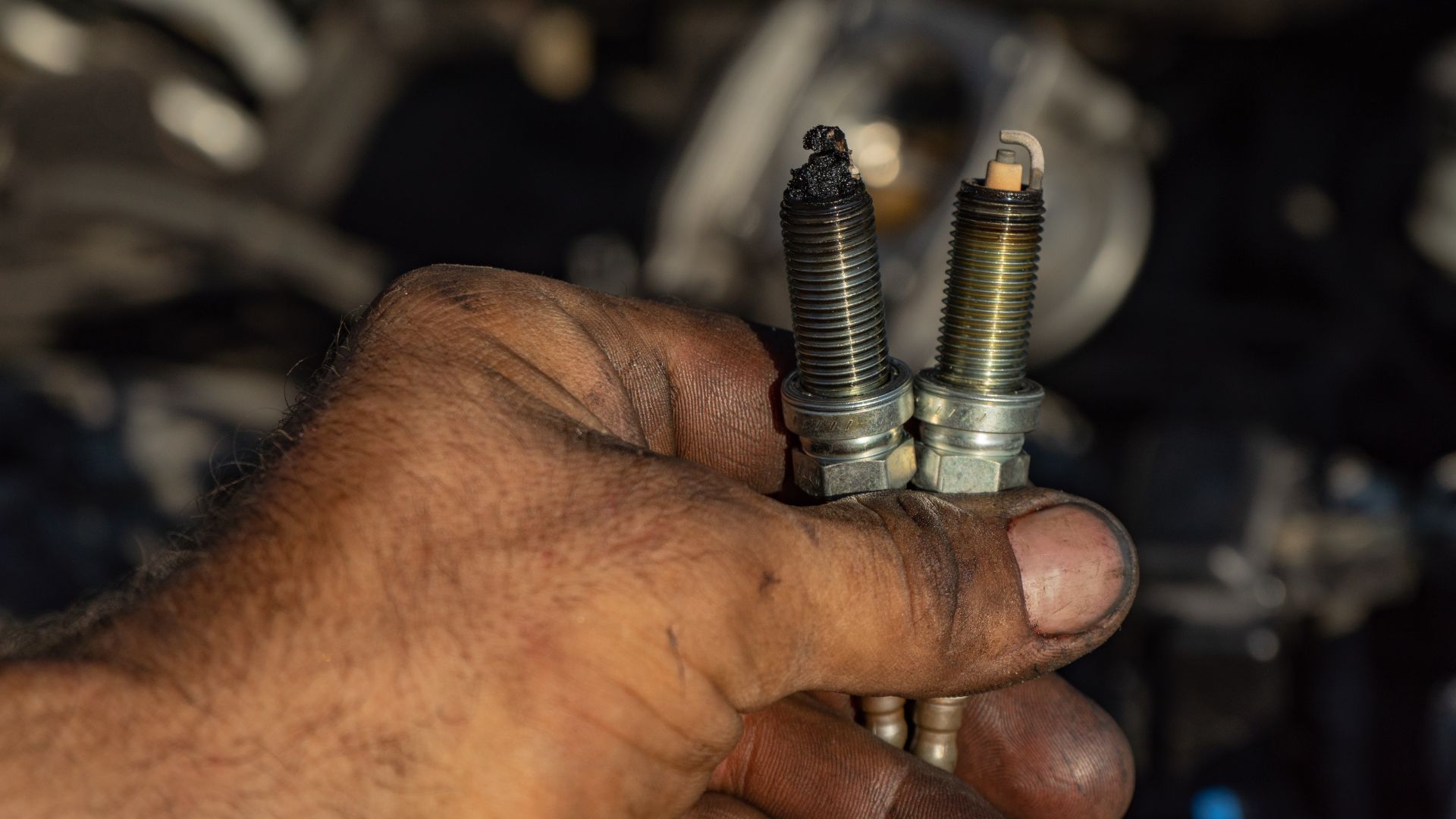
When it comes to automotive maintenance, the subtleties of engine performance can significantly influence your vehicle’s reliability and efficiency. A vital component, often overlooked, is the spark plug. This small but mighty part plays an essential role in igniting the air-fuel mixture that powers the engine. Bad spark plugs can lead to a cascade of issues that may compromise vehicle performance. Understanding the telltale signs of faulty spark plugs is crucial for any vehicle owner. Here, we will delve into various symptoms of bad spark plugs, aiding you in recognizing when this component may require inspection or replacement.
1. Rough Idling
One of the most common symptoms of a deteriorating spark plug is erratic engine idling. If you find your vehicle shaking or vibrating when at a standstill, it’s a warning bell. Bad spark plugs can disrupt the electrical discharge necessary for smooth combustion, leading to an imbalanced engine rhythm. An observant driver might notice the engine’s RPM fluctuating, indicating an issue that requires attention.
2. Decreased Fuel Efficiency
Poorly functioning spark plugs can significantly impair fuel combustion, translating into lower miles per gallon (MPG). If you have noticed an upsurge in your fuel expenses without any alteration in driving habits, it may be time to inspect the spark plugs. Over time, spark plugs can accumulate carbon deposits, leading to misfires and incomplete combustion, ultimately reducing your vehicle’s fuel efficiency.
3. Difficulty Starting the Engine
If the simple act of turning the key in the ignition becomes a laborious task, bad spark plugs could be the culprit. When spark plugs fail to create a consistent spark, the engine struggles to start. Drivers may initially hear a series of clicks before the engine catches, which is a clear indication that the spark plugs may not be igniting the air-fuel mixture effectively.
4. Engine Misfires
An engine misfire, characterized by a “stuttering” or “bumping” sensation, often reveals itself during acceleration. This occurs when a spark plug fails to ignite the air-fuel mixture at the appropriate time, leading to sporadic power delivery. If you experience sudden loss of power or notice excessive noise from the engine, it’s imperative to investigate further, as continuous misfiring can lead to severe engine damage.
5. Poor Acceleration Performance
Inferior performance during acceleration is another telltale sign of spark plug issues. If your car feels sluggish, with delayed responsiveness when pressing the accelerator, defective spark plugs may be partially responsible. They may not be supplying enough spark energy to achieve the necessary combustion rate, ultimately compromising the engine’s overall power output.
6. Check Engine Light Activation
Modern vehicles are equipped with advanced diagnostic systems that trigger warning lights when anomalies arise. If your check engine light illuminates and persists, it could signify an issue with the spark plugs. While this light can indicate multiple problems, an experienced mechanic can utilize diagnostic tools to determine if the spark plugs are to blame.
7. Engine Overheating
A malfunctioning spark plug can also cause your engine to overheat. If you observe the temperature gauge rising beyond normal levels, the engine might be working harder to achieve combustion. This is particularly concerning, as prolonged overheating can cause catastrophic engine damage or complete failure. Ensure to diagnose this issue promptly to avoid pricey repairs.
8. A Distinctive Odor
Sometimes, the signs of bad spark plugs manifest not just through performance changes but also through unusual smells. If you detect a gasoline odor emanating from your vehicle, it may indicate that the spark plugs are failing to ignite the fuel correctly, resulting in unburned gasoline. This situation not only poses a risk of reduced engine performance but can also become a hazardous fire risk should fuel accumulate.
9. Physical Inspection & Damage
Regular physical inspection of spark plugs allows for early detection of potential failures. Signs of wear include excessive carbon buildup, cracks, or erosion of the electrodes. If you are comfortable inspecting your engine, remove the spark plugs and check for these defects. The condition of the spark plug can often provide insights into other underlying engine issues that might be affecting performance.
10. Frequent Repairs or Maintenance
Consistent visits to the repair shop for issues related to ignition or engine performance could also point to a chronic spark plug issue. If your mechanic regularly replaces or repairs components related to spark plugs, such as ignition coils or wires, it may be time to evaluate the state of the plugs themselves, which could be the underlying problem.
In conclusion, recognizing the symptoms of bad spark plugs can help you navigate potential engine issues and enhance your vehicle’s longevity. Whether it’s rough idling, decreased fuel efficiency, or more severe problems like engine misfires, these signs indicate the need for immediate attention. Proactive maintenance and timely replacement of spark plugs not only improve performance but can also prevent costly repairs down the road. Stay vigilant and keep your vehicle running smoothly on every journey.











Leave a Comment