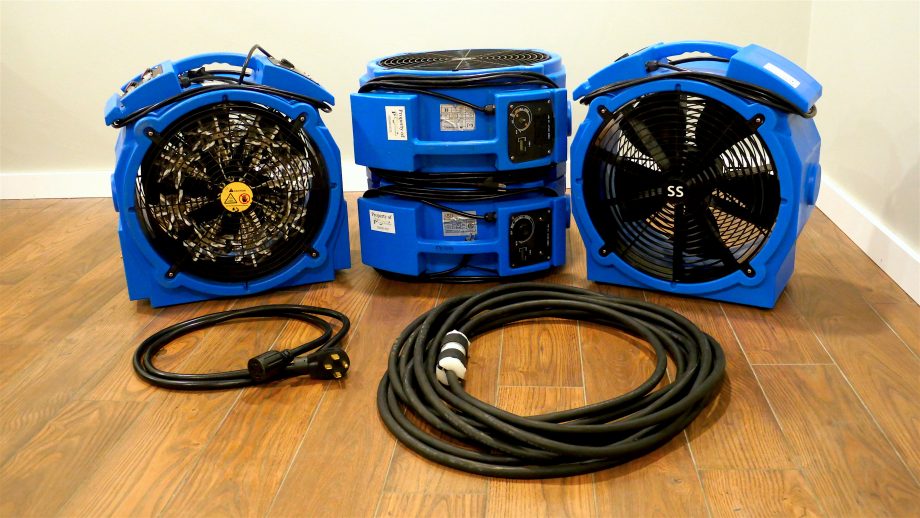
Have you ever awakened in the middle of the night, feeling a prickle on your skin that sends shivers down your spine? You flick on the lights only to discover small, reddish-brown insects scuttling back into the shadows. Welcome to the world of bedbugs, little scourges that can hijack your home and sleep. These resilient pests are notorious for their tenacious nature and intricate life cycles. So, how do you reclaim your space when bed bugs decide to make themselves at home? One effective measure is to consider bed bug heater rental. This article will explore the ins and outs of this solution, providing essential guidelines to help you navigate the rental process successfully. Are you ready to turn up the heat on these unwelcome guests?
Understanding Bed Bug Heat Treatment
Before diving into rental options, it’s crucial to understand how heat treatment works. Bed bugs thrive in temperatures between 70°F and 80°F, but expose them to higher temperatures—typically 120°F for at least 90 minutes—and they will perish. This method is favored among exterminators due to its effectiveness and eco-friendly nature. The heat penetrates surfaces and crevices, reaching where traditional chemical treatments might miss, ensuring a thorough eradication of these pests.
Evaluating Your Needs
When considering a bed bug heater rental, the first step is to assess your specific needs. Ask yourself: How extensive is the infestation? Are you dealing with just a few bugs or a full-blown colony? The approach you take may differ based on the scale of the issue. Inspect your premises meticulously, looking in typical hiding spots such as seams of mattresses, behind headboards, and alongside baseboards for any signs of infestation. This evaluation will not only enable you to choose the right equipment but also allow you to gauge the level of urgency.
Selecting the Right Equipment
Once you’ve determined your needs, it’s time to select the appropriate heater. Bed bug heaters come in various shapes and sizes, from portable units to larger systems capable of heating entire rooms. Portable units are beneficial for targeting specific areas, while larger models can effectively handle widespread infestations. Some rentals may also offer commercial-grade heaters designed for professional use, which operate with higher wattage and efficiency. Consideration of your space, the severity of infestation, and your comfort with operation will lead you to make an informed decision.
Finding a Reliable Rental Service
Now that you’ve chosen the type of heater necessary, the next step involves locating a reputable rental service. Research local options, paying close attention to reviews and customer experiences. Inquire about their rental policies, maintenance, and support services, ensuring they’re equipped to help troubleshoot issues you may encounter. Furthermore, check if they offer delivery services to save you the hassle of transportation—after all, lugging heavy equipment can be a daunting task when dealing with a pest crisis!
Preparing for the Treatment
Preparation is critical before you set the heater in motion. Begin by decluttering the infested areas, removing personal belongings, bedding, and any items that can be easily relocated. Ideally, wash all linens and clothing in hot water to minimize the chance of survival for any hidden bugs. Sealing holes or gaps in walls or baseboards is another essential step. Addressing these areas can optimize heat distribution during treatment and prevent any bugs from escaping to other parts of your home.
Executing the Heat Treatment
With everything prepared and the heater set up, it’s time to execute the treatment. It’s vital to follow the manufacturer’s recommendations for operating the equipment, including placement, duration, and monitoring. Most heaters will require consistent supervision to ensure that temperatures remain within the effective range. Your home may feel steamy, but this climate is necessary for exterminating every last bedbug. Utilize temperature sensors to ascertain the efficacy of the treatment, confirming that all corners of the treated space are within the lethal temperature range.
After Treatment Considerations
Once the treatment is complete, you’ll want to follow up to ensure the infestation is fully resolved. After the heater has been turned off and the room has cooled, wait a few days before conducting a thorough inspection. Keep an eye out for any signs of returning pests, such as shed exoskeletons, bites, or fecal stains. If issues persist, it may be necessary to engage professionals for an alternate approach, as early detection can save you significant distress in the long run.
Conclusion: A Final Word
Bed bug heater rental can be an effective strategy in the relentless battle against these unwelcome intruders. With proper planning, execution, and diligence, you can reclaim your home and restful nights. As you embark on this heating journey, remember the importance of preparation and thoroughness—both before and after the treatment. By taking proactive measures and seeking reliable equipment, you’re one step closer to ensuring your living space is free from these tiny tormentors. Now, how will you feel when you finally silence the buzz of bedbugs and reclaim your peaceful sanctuary?







Leave a Comment