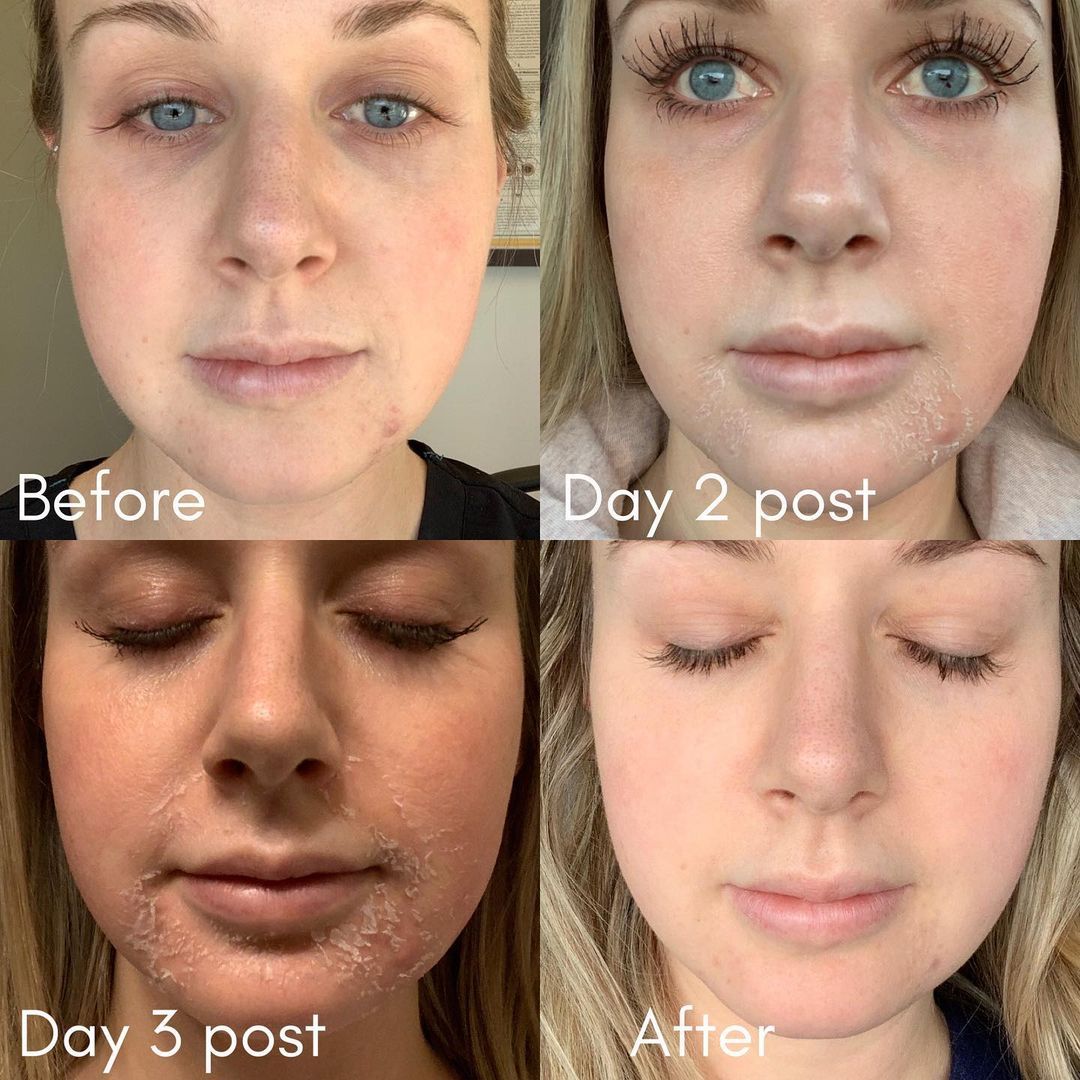
Embarking on a journey through skincare can lead one to consider various procedures, among which chemical peels stand out as a transformative option. This cosmetic treatment has garnered significant attention for its ability to rejuvenate the skin, addressing concerns such as uneven texture, pigmentation, and acne scars. However, understanding the implications of a chemical peel, particularly what to anticipate before and after the treatment, is crucial for achieving optimal results. This article delves into the complexities surrounding chemical peels, offering insights into preparation, the procedure itself, and the post-treatment care necessary to ensure the best possible outcome.
1. Understanding Chemical Peels
Chemical peels are dermatological treatments that employ acidic solutions to exfoliate the skin layers, promoting cellular turnover and enhancing skin appearance. They vary in strength from superficial to deep peels, depending on the type of acid used and the desired level of skin rejuvenation:
- Superficial Peels: These peels use mild acids like alpha hydroxy acids (AHAs) to exfoliate the outermost layer of skin, improving texture and tone without significant downtime.
- Medium Peels: Using trichloroacetic acid (TCA), medium peels penetrate deeper, effectively treating uneven pigmentation and wrinkles while requiring a short recovery period.
- Deep Peels: Employing phenol, these peels target deeper skin layers to treat severe issues such as deep scarring and significant sun damage. They necessitate longer recovery times and should only be performed by qualified professionals.
2. Pre-Treatment Preparations
Preparation is paramount for achieving a successful chemical peel experience. Prior to the procedure, several preparatory steps should be taken:
- Avoiding Certain Products: Two weeks before the peel, steer clear of retinoids, exfoliants, and products containing alcohol. These ingredients can increase skin sensitivity and lead to adverse reactions during peeling.
- Consultation and Skin Assessment: A comprehensive consultation with a licensed dermatologist or skincare professional is essential. This evaluation assesses skin type, concerns, and the appropriate strength of the peel for individual needs.
- Hydration and Sun Protection: Maintain optimal hydration levels and consistently apply a broad-spectrum sunscreen. Sun exposure can exacerbate pigmentation issues and compromise treatment effectiveness.
3. The Chemical Peel Procedure
The procedure itself, though relatively straightforward, requires a meticulous approach. Typically lasting from 30 minutes to an hour, the process unfolds as follows:
- Skin Cleansing: The skin is thoroughly cleansed to remove impurities and makeup, allowing for better penetration of the chemical solution.
- Application of the Acid: The chosen acid is applied evenly across the targeted areas. Depending on the peel’s strength, patients may experience mild tingling, burning, or discomfort during the application.
- Neutralization: Some peels require neutralization post-application, while others may be left on the skin for specific durations before removal.
- Aftercare Instructions: Once the procedure is complete, the practitioner provides detailed aftercare guidelines, highlighting crucial information on post-treatment care.
4. Post-Treatment Expectations
Aftercare is vital for maximizing the benefits of a chemical peel. Post-treatment reactions can vary based on the peel depth:
- For Superficial Peels: Expect mild redness and slight peeling akin to a sunburn. Hydration is critical, and gentle cleansers should be employed during the initial recovery phase.
- For Medium Peels: Recovery may involve moderate redness, swelling, and flaking skin for about 7 to 10 days. It’s imperative to avoid sun exposure and adhere to a strict moisturizing regimen to promote healing.
- For Deep Peels: Expect substantial redness and swelling, lasting up to three weeks. During this time, a comprehensive aftercare protocol must be followed, including the use of prescribed creams and rigorous sun protection.
5. Long-Term Care and Results
Achieving optimal long-term results necessitates lifestyle adaptations and continuous skincare practices. Following the recommended aftercare can enhance healing and prolong the effects of the chemical peel:
- Regular Moisturization: Keeping the skin well-hydrated through proper moisturizers aids in recovery and minimizes post-peel dryness.
- Sun Protection: A strict regimen of sun protection is vital, as peeled skin is particularly susceptible to UV damage. Employing a high-SPF sunscreen daily protects the rejuvenated skin.
- Ongoing Skin Treatments: For sustained improvements, consider integrating regular skincare treatments such as microdermabrasion or ongoing chemical peels as recommended by healthcare professionals.
6. Conclusion
In summation, a chemical peel can be a pathway to radiant skin, but the transformative journey begins long before the procedure itself and continues well after. By comprehending the nuances of preparation, procedure, and post-care, individuals can significantly enhance their experience and results. Whether seeking to diminish fine lines, alleviate hyperpigmentation, or refresh overall skin vitality, being well-informed sets the stage for a successful endeavor in achieving luminous skin. Embrace the process, adhere to guidelines, and witness the remarkable evolution before and after a chemical peel.









Leave a Comment