In the intricate world of precision shooting, particularly within the niche of benchrest shooting, the minutiae of technique can significantly influence performance. Among these subtleties, one element stands out: cheek pressure. Understanding the optimal balance of pressure applied to the cheek weld while aiming can forge a pivotal shift in how shooters perceive stability and accuracy. This article dives deep into the nuances of cheek pressure, unveiling the techniques and recommendations that underlie success in benchrest shooting.
1. The Role of Cheek Pressure in Shooting
Cheek pressure serves as a crucial interface between the shooter and the firearm. It aids in achieving consistent positioning of the eye in relation to the optic, facilitating a uniform sight picture. An understanding of this interface can redefine one’s approach, enhancing both the experience and performance.
2. Understanding Consistency
Achieving consistency is the Holy Grail of benchrest shooting. Cheek pressure directly impacts how repeatable one’s position is—whether it’s the same on the first shot or the fortieth. An excessive or insufficient amount of pressure can lead to a misalignment of the eye with the scope, thereby affecting trajectory and accuracy.
3. Finding Your Ideal Pressure
Determining the ideal level of cheek pressure is not an exact science. It varies distinctly from shooter to shooter. It is important to experiment with different pressures during practice sessions. Some may find that a light touch provides ample stability, while others may benefit from firmer pressure to ensure that their head remains remorselessly anchored against the stock.
4. The Importance of Body Mechanics
Shooting mechanics extend beyond just the cheek pressure. Body positioning plays a consequential role. A rigid body does not facilitate effective cheek placement. Instead, consider adopting a relaxed stance—this allows the pressure to become a natural part of your shooting form rather than a focal point of tension. This epiphany in comfort can lead to improved control over the rifle.
5. Equipment’s Role in Cheek Pressure
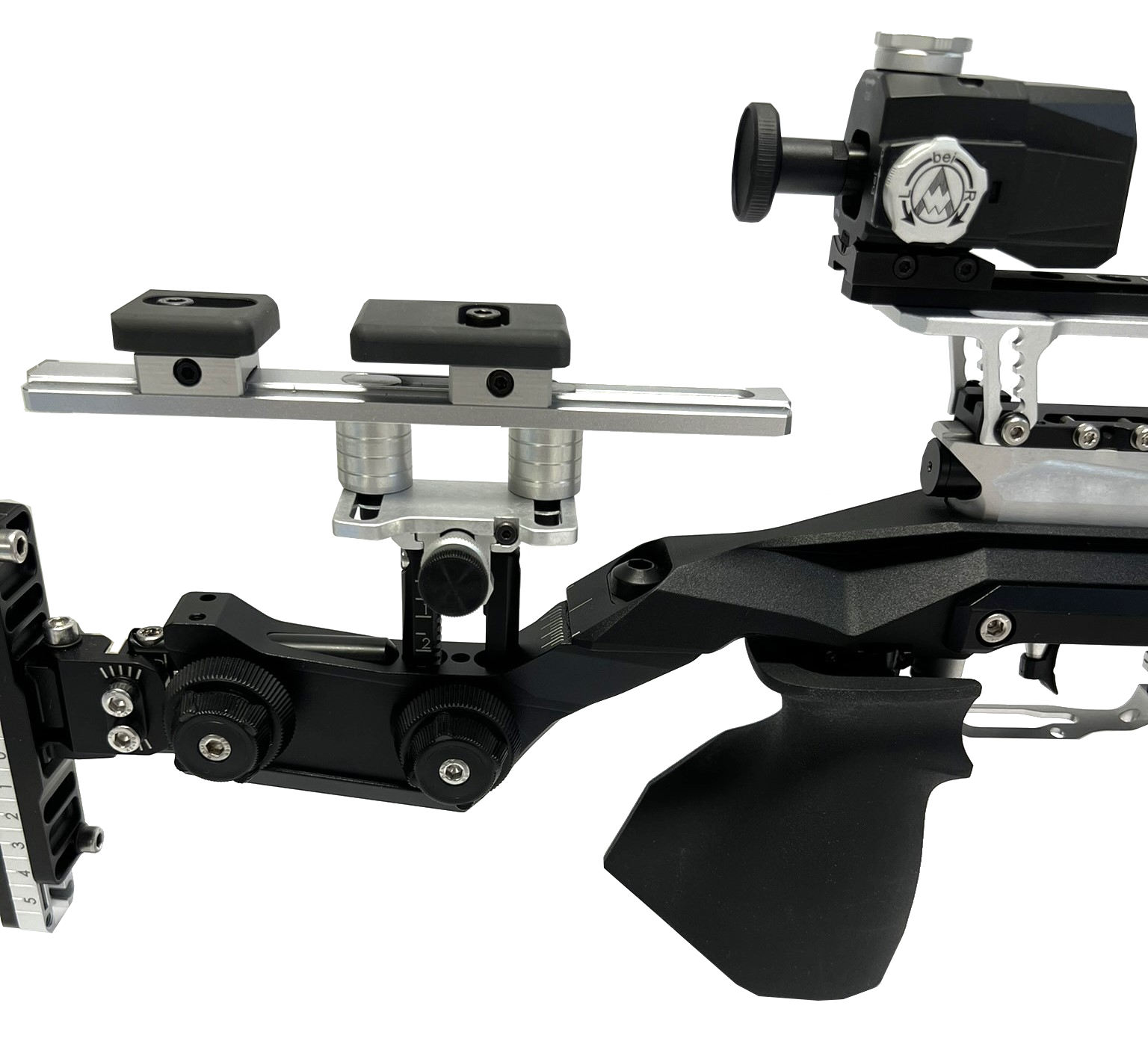
The design of the stock influences how cheek pressure is applied. Stocks with adjustable cheekpieces provide the luxury of customization, enabling shooters to achieve their desired cheek pocket height. A well-fitted stock can offer an ergonomic advantage, aligning the shooter’s head in a manner that requires minimal pressure for optimal sight alignment. Discernment in stock selection contributes significantly to this balancing act.
6. Analyzing the Environment
Environmental factors also play a role in determining the effectiveness of cheek pressure. Wind conditions, temperature, and even the surface upon which you rest can suggest variations in technique. Test various settings and adapt your cheek pressure accordingly. For instance, a breezy environment may necessitate more pressure to ensure a solid head position against the stock.
7. The Psychological Aspect
There exists a psychological dimension to cheek pressure. Being too focused on precisely how much pressure to apply can spur anxiety, negatively impacting your shooting performance. Instead, cultivate a mindset of flow—trust in the hours of practice that have brought you to this moment. In this state, cheek pressure becomes a subconscious element, harmonizing with overall technique.
8. Adjusting on the Fly
Awareness and adaptability are hallmarks of a proficient benchrest shooter. Conditions may shift, necessitating mid-session adjustments. Be cognizant of slight variations in cheek pressure throughout a shooting session. Don’t hesitate to recalibrate based on the initial outcomes. A change in elevation or wind may reveal the need for greater or lesser pressure, thus further refining control over the rifle’s arc.
9. The Role of Feedback
Seek feedback from knowledgeable peers or coaches. External perspectives can provide insight that might elude you. Engaging in discussions surrounding cheek pressure with experienced shooters can surface unfamiliar tactics or philosophies that can be unique to different shooting styles.
10. Continuous Learning and Evolution
As with any skill, mastery over cheek pressure is an evolving journey. Remain inquisitive. Attend workshops, delve into shooting publications, or join dedicated groups that focus on benchrest techniques. An insatiable curiosity will encase your skill set in layers of fortitude and finesse, progressively improving your understanding of pressure considerations.
Conclusion
In summary, cheek pressure is not merely a static concept, but an avant-garde element of benchrest shooting that can empower both novices and seasoned marksmen alike. By exploring this underestimated aspect of technique, one invites a transformative perspective that can lead to enhanced performance and enjoyment in the sport. Remember, the path to mastery is paved with curiosity, experimentation, and an openness to reevaluating what you think you know. Dive deep into the art and science of cheek pressure, and witness how it reshapes your shooting experience.









Leave a Comment