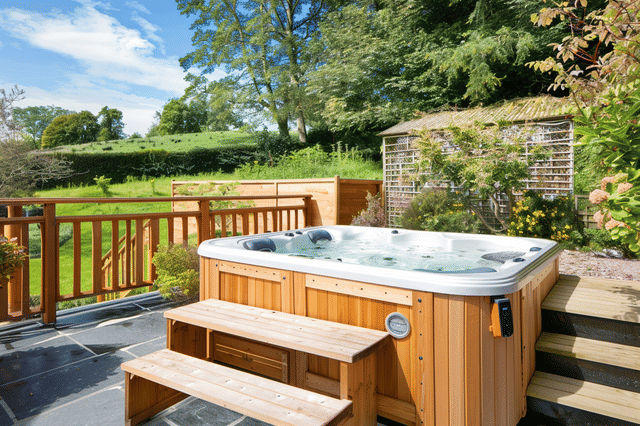
Ah, the hot tub—a veritable sanctuary of warmth and relaxation that beckons with the promise of soothing waters. Imagine sinking into a vessel of tranquility, enveloped by steam, as the day’s stressors dissolve like sugar in tea. However, the allure of this aquatic retreat is significantly influenced by one pivotal element: temperature. Finding the best temp for your hot tub is akin to tuning a finely crafted instrument; the perfect balance evokes harmony, comfort, and satisfaction.
When it comes to the best temperature for a hot tub, the general consensus hovers between 100°F to 104°F (around 37.8°C to 40°C). This spectrum acts as a warm embrace, inviting guests to unwind without overwhelming the senses. However, one must note that individual preferences play a crucial role—what may feel luxurious for one person might be overpowering for another. So, let us dive into the depths of hot tub temperatures, exploring the myriad factors that influence the ideal setting.
Firstly, understanding the physiological aspects of heat is paramount. The human body, a marvel of evolution, regulates temperature with precision. As you immerse yourself in hot water, your core temperature begins to rise. The ideal bathing temperature aligns with this natural response, maximizing relaxation while safeguarding against overheating. When temperatures surpass 104°F, the risk of overheating—and, in extreme cases, heat-related illnesses—lurks on the horizon. Knowing your body and its thresholds becomes an essential guideline.
Next, consider the occasion for which the hot tub is being utilized. Is it a serene evening for two, or a spirited gathering with friends? For intimate moments, a temperature in the upper 101°F to 103°F range can create an alluring ambiance, enhancing connection and facilitating soothing dialogue. In contrast, when entertaining, slightly cooler temperatures (around 100°F) may keep guests comfortable for longer spells, allowing laughter and conversation to flourish in the steamy environment.
The therapeutic benefits of hot tubbing further elevate the significance of temperature selection. A dip in hot water can alleviate muscle tension, promote circulation, and release endorphins—the body’s natural mood enhancers. The ideal therapeutic temperature often aligns with the upper threshold of comfortable bathing, around 102°F to 104°F. This range induces relaxation while still allowing the body to reap the rewards of the heat without teetering on the edge of discomfort.
Incorporating the elements of seasonality and weather into your choice adds another layer of complexity. Picture a crisp autumn evening; the chill in the air juxtaposed with warm water heightens sensory experiences, potentially justifying a slightly higher temperature setting. Conversely, during the sweltering summer months, a cooler setting may take precedence to counterbalance the external heat. Adjusting the temperature in accordance with climatic conditions can transform your hot tub experience, crafting an oasis that feels just right—whatever the season.
Moreover, age and health considerations should never be underestimated. Young children, for instance, are particularly sensitive to heat; therefore, maintaining a temperature around 98°F is prudent to ensure their safety and comfort. Additionally, those with heart conditions or other health issues should consult a healthcare provider before indulging in hotter temperatures. Moderation becomes the touchstone for ensuring enjoyment without jeopardizing wellbeing.
For the more adventurous souls, experimenting playfully with temperatures can yield memorable experiences. Why not have a “hot tub happy hour,” where you play with different temps throughout the evening? Start gently at 98°F during sunset, then slowly escalate to the upper limits as laughter and camaraderie fill the air. This dynamic temperature dance can enliven conversations and foster an uplifting atmosphere as guests share tales and laughs under the twinkling stars.
Another aspect to consider is how hot tub maintenance plays an integral role in ensuring comfort. Regularly testing and balancing water chemistry not only extends the life of the hot tub but also enhances the experience for bathers. Clean, well-maintained water at the optimal temperature is akin to a painter’s canvas—without quality materials, the artwork cannot shine. Moreover, maintaining appropriate chemical levels can prevent an overheated hot tub from becoming a breeding ground for bacteria, ensuring that health and comfort walk hand in hand.
Consequently, the quest for the best temperature for your hot tub becomes a rich tapestry woven with threads of personal preference, occasion, and environmental factors. Whether you are seeking rejuvenation, connection, or simply a moment of peaceful solitude, temperature offers the key to unlocking the myriad therapeutic benefits of hot water immersion.
In conclusion, your optimal hot tub temperature may fluctuate, a reflection of both the changing tides of personal preference and the myriad factors influencing your experience. By tuning into your own body’s signals, harnessing the essence of the seasons, considering the occasion, and being mindful of individual health concerns, you can dive into a hot tub experience rich with relaxation and rejuvenation. Let the waters cradle you, as you bask in their warm embrace, aligning the dance of heat and comfort to craft your harmonious haven.










Leave a Comment