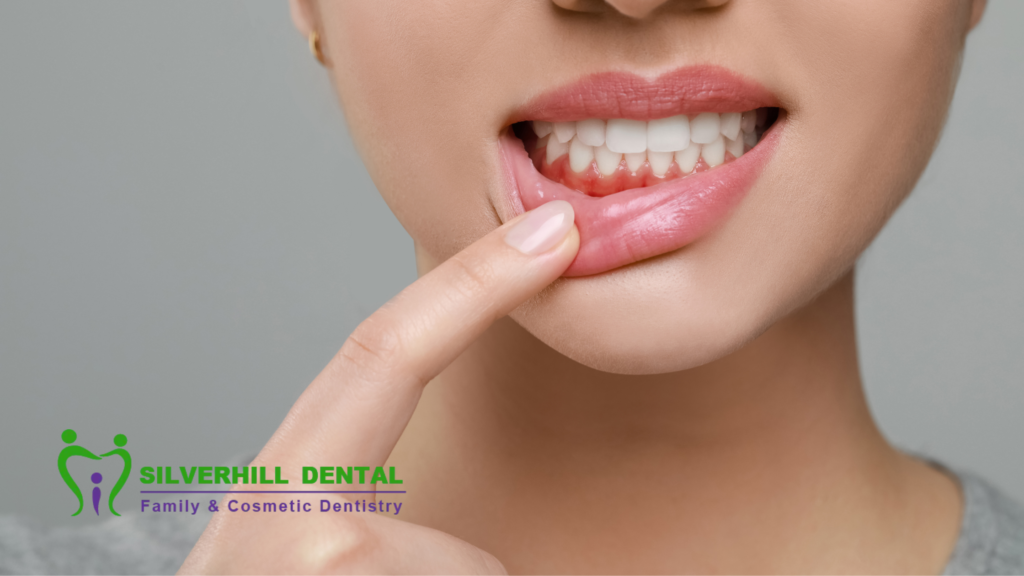
Have you ever noticed an unusual black dot on your gums? This seemingly innocuous marking can provoke a swirl of emotions and questions, often leading to concern and anxiety. While some may dismiss it as a mere anomaly, understanding the true nature of these black dots is paramount. This article delves into the myriad causes, implications, and recommended approaches for addressing this intriguing oral phenomenon.
Gum health is intricately tied to overall well-being, and spotting a black dot on your gums can stir curiosity—as well as trepidation. This pigmentary change might be imperceptible at first but can morph into an eye-catching feature that commands attention. However, before succumbing to the whirlpool of worries and conjectures, let’s unravel the mysteries behind those elusive black dots.
Understanding Pigmentation in Oral Health
Before delving into the specifics of black dots on gums, it’s essential to comprehend the nature of oral pigmentation. The gums, much like skin, can undergo changes in coloration for a variety of reasons. Melanin pigmentation is notably common, alongside a host of other factors which may complicate the picture.
Common Causes of Black Dots on Gums
Various factors can contribute to the emergence of black dots on gums. Understanding these causes is necessary to inform appropriate response measures:
- Melanin Hyperpigmentation: This is one of the most benign causes, often stemming from genetics. Individuals with darker skin tones might notice increased melanin production in their gums, manifesting as dark spots. This condition is harmless and typically doesn’t necessitate treatment.
- Oral Mucosal Melanoma: A more serious cause, this rare form of cancer can present as dark spots in the mouth. Although infrequent, it emphasizes the importance of consulting a healthcare professional if you notice any suspicious changes.
- Traumatic Lesions: Accidental trauma to the gums—such as biting, brushing too hard, or the impact of dental appliances—can result in bruising or dark spots that might take time to fade.
- Inflammation: Conditions like periodontal disease can cause changes in gum pigmentation, often accompanied by swelling, bleeding, or tenderness.
- Medications: Certain drugs, particularly those used in chemotherapy, can cause changes in oral pigmentation, potentially leading to black dots on gums.
- Tobacco Use: Tobacco stains can manifest as dark spots, particularly in individuals who smoke or chew tobacco, signaling the need for cessation and oral hygiene improvements.
Differentiating Between Benign and Concerning Signs
Once you spot a black dot on your gums, distinguishing between benign pigmentation and something that requires attention is crucial. Observe the following factors:
- Size: Small freckles or dots are often harmless. In contrast, larger spots should warrant further investigation.
- Shape: Regularly shaped dots may indicate benign conditions, while irregularly shaped or asymmetrical spots could be cause for concern.
- Associated Symptoms: Pay close attention to accompanying symptoms like pain, swelling, or bleeding, which may signal underlying issues needing professional evaluation.
- Duration: If the dot remains stable over time with no changes, it may be harmless. However, any transformations in size, color, or texture should prompt a visit to a professional.
Steps to Take When You Notice a Black Dot
Discovering a black dot can be unsettling, but knowing the steps to take can alleviate some anxiety:
- Examine Your Oral Hygiene: Ensure you’re maintaining optimal dental practices—brush, floss, and rinse as recommended. High standards in oral hygiene can help stave off conditions that might lead to pigmentation changes.
- Keep a Record: Document any changes in size, color, or any accompanying symptoms. This information can be invaluable for your healthcare provider.
- Consult a Dentist: If there’s any concern about the origin of the black dot, seeking professional advice is imperative. A dentist’s evaluation can discern benign from malignant conditions.
- Follow Up: Based on the dentist’s findings, adhere to any treatment plans or follow-ups, ensuring your gum health is on track.
Preventive Measures and Maintaining Gum Health
Once you’ve addressed the black dot, focusing on prevention is fundamental for sustaining gum health:
- Regular Dental Check-Ups: Periodic visits to the dentist for cleanings and assessments can catch issues early.
- Balanced Diet: Consuming nutrient-rich foods can fortify oral tissues. Moreover, limit sugary foods that can lead to gum disease.
- Avoid Tobacco: Refraining from tobacco can significantly reduce the risk of gum-related issues.
- Stay Hydrated: Hydration plays a key role in maintaining a healthy oral environment, helping prevent dry mouth and promoting overall health.
In conclusion, while spotting a black dot on your gums can initially elicit a wave of concern, it’s crucial to approach the situation with an informed perspective. Awareness of the diverse causes, the ability to differentiate between harmless and concerning signs, and taking proactive steps towards your oral health can pave the way for reassurance and well-being. Remember, when in doubt, always seek professional guidance to ensure your gums—and indeed your entire oral cavity—remain as healthy as they can be. Embracing this knowledge cultivates not just peace of mind, but a greater appreciation for oral health as a fundamental aspect of overall wellness.











Leave a Comment