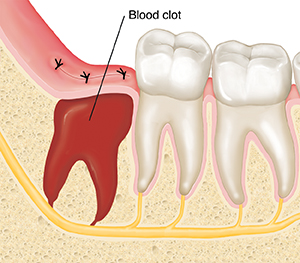
When it comes to dental health, wisdom teeth are often more than just a quirky fact about our oral anatomy; they can be the harbingers of various dental dilemmas. Have you ever wondered what happens to the blood clots that form after wisdom teeth extraction? Could they pose a challenge for healing and comfort? The reality is, the aftermath of extracting these pesky molars can be fraught with complications, one of which is the critical significance of blood clots. Let’s delve into the intricate world of blood clots related to wisdom teeth, exploring their formation, importance, potential pitfalls, and how to navigate the recovery process.
The Role of Blood Clots in Healing
When a wisdom tooth is removed, the body initiates a healing response almost immediately. The first phase of this natural process is the formation of a blood clot at the extraction site. This clot, composed primarily of platelets and fibrin, serves a dual purpose. Firstly, it acts as a protective barrier to shield the underlying bone and nerve endings from potential hazards, including pathogens and debris. Secondly, it initiates the cascade of healing by facilitating the migration of cells that are essential for tissue repair. Without this temporary structure, the wound is exposed, leaving room for complications such as dry socket or infections to thrive.
Understanding Dry Socket
One of the most dreaded complications that can arise post-extraction is dry socket, or alveolar osteitis. This occurrence transpires when the blood clot dislodges prematurely or fails to form appropriately, leading to exposure of the bone beneath. The ramifications of dry socket can be painfully severe, often characterized by throbbing pain and a foul odor emanating from the mouth. Recovery becomes a drawn-out affair, replete with additional appointments and heightened discomfort. It is essential to recognize the signs and symptoms of dry socket early on to mitigate its impact on the recovery timeline.
Factors Leading to Clot Dislodgement
Several variables can contribute to the premature dislodgement of a blood clot following wisdom teeth extraction. One major factor is oral hygiene practices. While it is crucial to maintain cleanliness during recovery, vigorous rinsing or spitting can inadvertently dislodge the blood clot. Additionally, strenuous physical activity or sucking motions (such as smoking or using straws) can create negative pressure in the mouth, further jeopardizing the stability of the clot. Understanding and avoiding these activities post-surgery can significantly enhance the healing process.
Emergency Protocols: What to Do if You Suspect Dry Socket
So, what happens if you suspect you might have developed dry socket? Firstly, it is imperative to contact your dental healthcare provider promptly. They can assess the situation and may perform a simple procedure to clean the area followed by the application of a medicated dressing to alleviate pain and promote healing. In extreme cases, they might suggest pain management solutions or antibiotics to stave off infection. The importance of timely intervention cannot be overstated; ignoring symptoms can lead to prolonged pain and complications.
Enhancing Recovery: Best Practices
Recovery from wisdom teeth extraction can be a delicate dance, but there are several strategies one can employ to bolster healing and minimize discomfort. Initial days should feature a diet of soft, cold foods to soothe the surgical sites and prevent unnecessary pressure. Yogurt, smoothies, and mashed potatoes are excellent choices. It is also paramount to remain well-hydrated, but keep in mind to avoid using straws during this period to protect your precious clots.
Moreover, adhering to prescribed medications, particularly pain relievers and antibiotics, contributes profoundly to a smoother recovery journey. Monitoring swelling is crucial; using an ice pack intermittently can mitigate inflammation. Regular, gentle saltwater rinses once the initial days have passed can aid in maintaining oral hygiene without risking clot displacement.
Seeking Professional Help
If discomfort persists or worsens, do not hesitate to return to your dentist. A professional assessment can provide insight into any underlying issues that may be complicating your healing process. Remember, recovery is a team effort, and keeping open lines of communication with your dental provider will cultivate a more positive outcome.
The Bottom Line
Wisdom teeth extraction is more than a rite of passage; it’s a substantial health event that necessitates diligent care and awareness. Understanding the crucial role that blood clots play in this process can empower you to take proactive measures to safeguard your healing. By recognizing the signs of potential complications like dry socket and employing best recovery practices, the journey post-extraction can become a more manageable undertaking. Embrace this phase with knowledge, and you may find that the challenges can transform into an opportunity for greater insight into your dental health.










Leave a Comment