When life throws its deepest, darkest stains, few experiences are as chilling as discovering blood on your cherished carpet. The very fibers that once cradled laughter may now bear the heavy burden of a ghastly memory. But fret not; the realm of carpet cleaning is more vibrant and hopeful than it may seem in these harrowing moments. This comprehensive guide will illuminate your path through the process of extracting such a haunting blemish, returning your carpet to a state of grace and comfort.
Understanding the Nature of the Stain
Blood, like life itself, is complex—its vivid crimson hue can evoke both passion and horror. Its composition consists of proteins, enzymes, and water, all of which work together to create a stain that can be deceptively resilient. Understanding the nature of this organic molecule is key; proteins can adhere stubbornly to fabric fibers, binding as if to the very essence of the carpet. The first step in your journey involves recognizing the stain’s age, volume, and whether it is fresh or dried, as this will dictate your course of action.
The Timeliness of Action
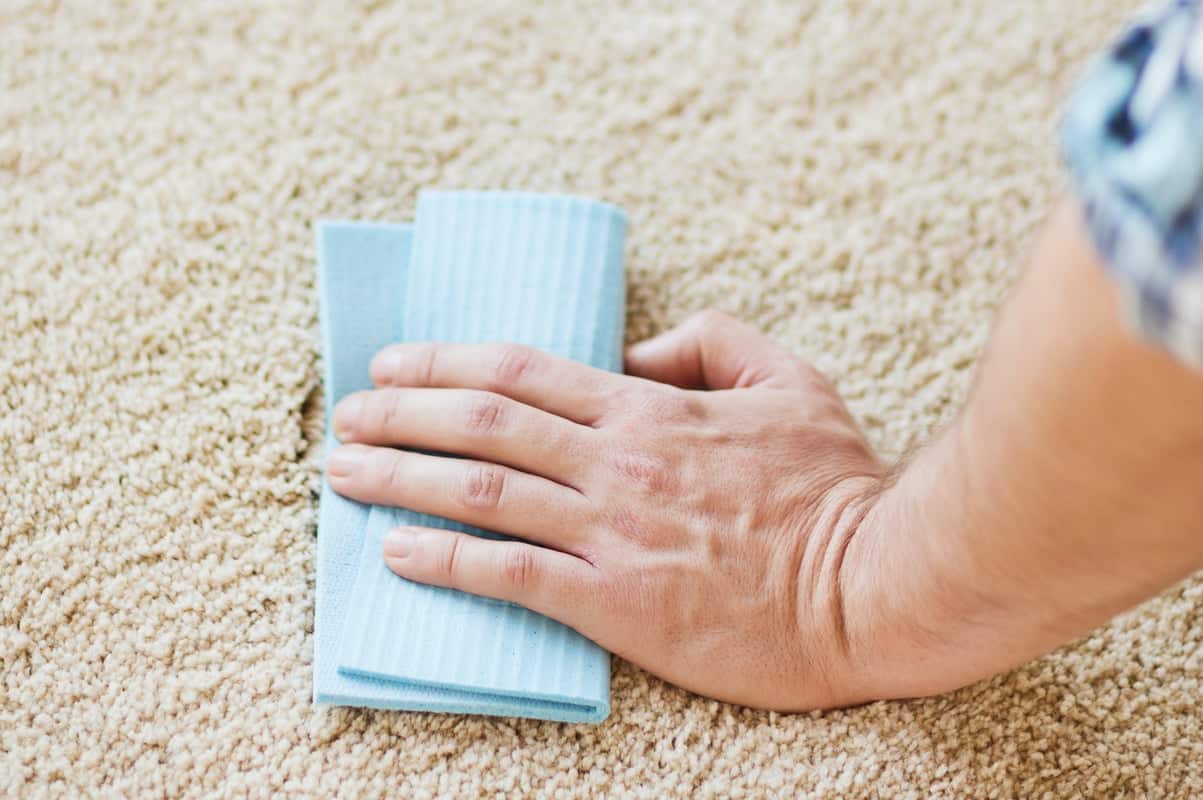
In the face of a fresh blood stain, seconds feel like hours. The pulse races; immediate action is imperative. The essence of success lies in promptness—gently blotting with a clean, white cloth can mitigate the stain’s spread. Dab, do not rub—this is the sacred mantra to learn. Rubbing not only exacerbates the stain but can also cause fibers to fray, leading to a cataclysmic cascade of damage. Just as one would tend to a fresh wound, care and caution should be your guiding principles.
Assessing Your Arsenal of Cleaning Agents
When properly armed with knowledge of cleaning agents, the process transforms from a Sisyphean struggle into a strategic battle. The ultimate goal is to dissolve the stain without compromising the integrity of the carpet. Household staples may suffice, but for the more stubborn of stains, specialized products can serve as potent allies. Consider the following options:
- Cold Water: The first and simplest option; never use hot water, as it can inadvertently help the proteins set.
- Dish Soap: This gentle yet effective agent can break down fats and proteins, making it a top contender in your cleaning arsenal.
- Hydrogen Peroxide: Ideal for lighter carpets, this powerful oxidizer lifts stains with remarkable efficiency. Use it judiciously, as it may bleach darker shades.
- Salt Paste: Mix salt with cold water to create a paste that draws moisture outward—an intriguing tactic worthy of consideration.
Technique is Key
Breaking down the art of stain removal into methodical steps can alleviate the anxiety that often accompanies the task. Begin with cold water to dampen the stain area—this initial step will soften the blood’s grip. Following this, apply a chosen cleaning agent and allow it to sit for approximately 5–10 minutes. This process is not unlike allowing a fine wine to breathe; it enhances the effectiveness of your efforts. Blot the area with your cloth, repeating the process until the stain begins to yield.
The Power of Blotting
Throughout this process, the act of blotting emerges as the hero of the narrative. With each dab, you are akin to a painter delicately coaxing paint from an intricate canvas—slow, methodical, and patient. It’s essential to utilize resources wisely; keep changing the cloth to avoid spreading residue. Each moment spent in this careful dance brings you one step closer to restoration.
The Challenge of Dried Stains
A dried stain presents a more intricate puzzle, often requiring a more nuanced approach. First, hydrate the stain with cold water or a diluted vinegar solution to soften its tenacious bond with the carpet fibers. Once sufficiently moist, you may need to combine forces with a cleaning solution or enzymatic cleaner that targets protein stains. Patience is paramount here, for the second-to-second transformations can feel agonizingly sluggish.
Rinsing and Evaluating
Upon the removal of the stain, it is crucial to cleanse the area thoroughly. Rinse with cold water, allowing the fibers to emerge unburdened. After rinsing, use dry cloths to soak up any remaining moisture. At this juncture, take a moment to evaluate your handiwork. Like an artist stepping back from their canvas, view your carpet not just as a surface, but as a testament to your resolve and careful actions.
Preventive Measures for the Future
In the aftermath, one might ponder what actions could have been taken to avoid such agonizing discoveries altogether. Implementing preventive measures is never in vain. Consider treatments designed to repel stains, and implement a rigorous cleaning schedule to maintain the integrity of your carpets. Additionally, addressing incidents promptly will save both time and distress in the unfortunate event of another spill.
Conclusion
Removing blood from carpet can transform from a dread-filled ordeal into a graceful act of restoration. Each step in this process is a step toward reclaiming not just your carpet but your peace of mind. Armed with knowledge and an understanding of the materials at your disposal, the specter of stains need not cast a shadow upon your space. Life’s more gruesome moments, after all, can lead us to discover resilience and beauty in the small victories of our everyday existence.










Leave a Comment