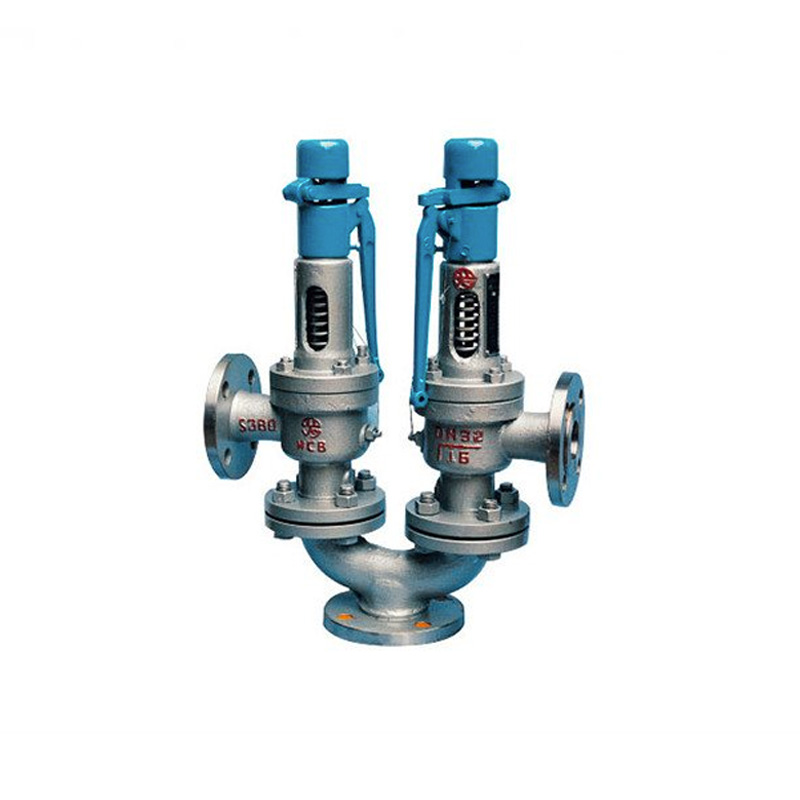
In the intricate ballet of a boiler system, one component pirouettes gracefully, ensuring the performance remains both efficient and harmonious—the boiler compression tank valve. This unassuming piece of machinery acts as the maestro, regulating pressure and maintaining balance within the system. Understanding its function, importance, and the nuances of its maintenance can transform how we appreciate the artistry of our heating systems. This article aims to unveil the complexities of the boiler compression tank valve and reveal why this seemingly modest component is essential to the entire apparatus.
What is a Boiler Compression Tank Valve?
At its core, the boiler compression tank valve is a conduit of control, governing the flow of fluids within a boiler’s system. Positioned within the compression tank—often likened to a well-guarded bastion—it plays a critical role in maintaining optimal pressure levels and ensuring that thermal energy is effectively transferred throughout a building. This valve is not merely a passive component; it is activated dynamically, responding to changes in pressure with the precision of a seasoned conductor guiding an orchestra.
How Does It Function?
To truly appreciate the essence of the boiler compression tank valve, one must delve into its operational mechanics. The valve functions by regulating the pressure of the water in the boiler system, allowing excess water and steam to escape or enter as needed. It serves both as a safety mechanism and a balancing agent. Imagine a tightrope walker, skillfully navigating their way across a thin wire; the valve ensures that the system remains balanced, preventing pressure spikes that could lead to catastrophic failures.
– **Pressure Regulation:** The primary role of the valve is to maintain optimal pressure within the system. Under normal operations, the pressure in the boiler must remain within a specific range to avoid the risks of overheating or underperformance. The valve opens and closes in response to pressure fluctuations, almost like the rhythm of a heartbeat, providing life to the system.
– **Safety Mechanism:** In scenarios where pressure surpasses safe limits, the valve acts as a release, allowing excess steam and water to escape, thereby averting potential disasters. Much like a safety valve in a pressure cooker, it ensures the boiler operates within its boundaries, protecting not only the equipment but also the inhabitants of the building it serves.
Components of the Valve
Every intricate watch has its cogs and gears, and the boiler compression tank valve is no exception. Its design is composed of several key elements that work in concert to provide seamless operation:
- Body: The robust outer shell, often crafted from durable materials like brass or stainless steel, protects the internal mechanisms from wear and tear.
- Seat: Serving as the platform for the valve to seal against, the seat is crucial for maintaining pressure integrity. It ensures a tight closure, preventing leaks that could disrupt the boiler’s operation.
- Disc: This movable element opens and shuts the valve, modulating the flow of water and steam. Its responsiveness is vital for maintaining equilibrium within the system.
- Spring: Acting as the counterbalance, this component provides the necessary force for the valve to function correctly, ensuring it returns to a closed position when needed.
Importance of Regular Maintenance
A boiler compression tank valve, while robust, is not impervious to wear. Regular maintenance is akin to a gardener tending to a beloved flower garden—essential for sustaining the beauty and functionality of the entire system.
– **Inspection:** Scheduling periodic inspections can catch small leaks or pressure drops before they escalate into significant issues. A slight deviation from normal operations often hints at underlying problems, and early detection can save time and money.
– **Cleaning:** Over time, sediment and debris can accumulate, hindering the valve’s performance. Routine cleaning ensures that every mechanism operates smoothly, much like oiling the gears of an intricate machine.
– **Replacement:** Like any mechanical component, eventual replacement may be necessary. Keeping track of the valve’s lifespan and recognizing warning signs—such as erratic pressure readings or unusual noises—can mitigate risks and prolong the boiler’s overall life.
Common Issues and Solutions
Even the most splendid of symphonies can hit a sour note. When it comes to boiler compression tank valves, several common issues may arise:
- Leakage: This is perhaps the most prevalent problem. If water is pooling around the valve, it may indicate a malfunction. Taking immediate action, including tightening or replacing the valve, can prevent further complications.
- Failure to Open/Close: A valve that sticks can lead to pressure imbalances. Routine checks can help identify any obstructions that may cause this issue, ensuring the valve operates fluidly.
Conclusion
The boiler compression tank valve serves as the linchpin in the delicate orchestration of boiler functionality. Understanding its role unveils its significance, likening it to an unsung hero in the drama of heating systems. With diligent maintenance and a keen awareness of potential issues, one can ensure this maestro continues to conduct the symphony of warmth with precision and grace. Embracing the complexities of this component not only fosters a profound appreciation for domestic comfort but also ensures the longevity and efficiency of an essential system in our lives.






Leave a Comment