When it comes to fractures, few injuries incite as much concern as a broken tibia. The tibia, often referred to as the shinbone, is the larger of the two bones in the lower leg and plays a pivotal role in mobility and weight-bearing activities. The recovery timeline for a broken tibia can be a source of intrigue, given the myriad of factors that influence healing. This article delves deeply into the intricacies of tibia fracture recovery, exploring various aspects that contribute to the duration and nature of the healing process.
Understanding Tibia Fractures
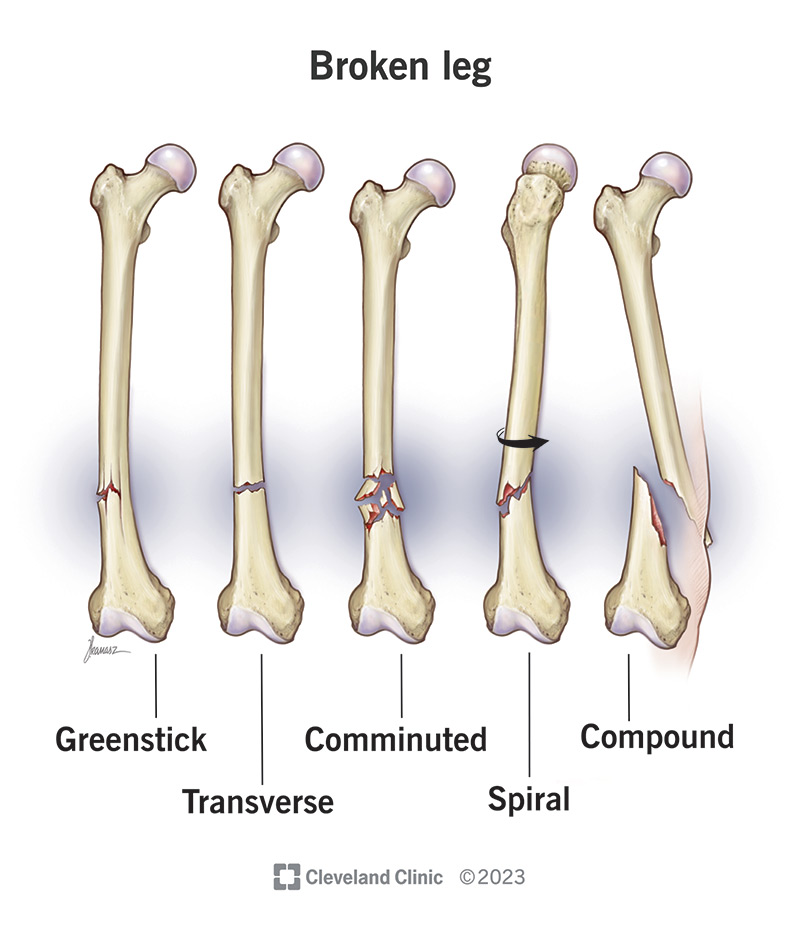
A tibia fracture can occur through a variety of mechanisms, including traumatic accidents, sports injuries, or falls. These fractures can be classified as either closed, where the skin remains intact, or open, where the bone protrudes through a wound. The complexity of the fracture also varies; simple fractures may heal more quickly than compound or comminuted fractures, which involve multiple fragments. The sheer diversity in types of fractures can contribute significantly to the overarching recovery timeline.
The Anatomy of Healing
The healing process for a broken tibia is typically divided into four key phases: hematoma formation, inflammation, bone formation, and remodeling. Initially, a hematoma forms at the fracture site, which serves as a scaffold for new tissue. This is followed by an inflammatory phase, where a cascade of cellular activity begins to repair the tissue and facilitate the formation of a soft callus. As the healing progresses into the bone formation phase, the soft callus is gradually replaced by hard bone, which eventually leads to full remodeling. Each phase requires time and varies in duration depending on several factors.
Factors Influencing Recovery Time
Recovery from a broken tibia does not occur in isolation; numerous factors play a role in dictating the duration and success of the healing process. These include:
- Type and Severity of Injury: As mentioned earlier, the classification of a tibia fracture greatly influences recovery time. A simple fracture may take six to eight weeks to heal, whereas more complex fractures could extend recovery to several months or longer.
- Age and Overall Health: Younger individuals often heal more rapidly due to better regenerative capabilities. Conversely, older adults or individuals with underlying health conditions such as diabetes may experience prolonged recovery times.
- Nutritional Status: Adequate nutrition is paramount for bone healing. A diet rich in calcium, vitamin D, and protein can augment healing processes. Poor nutritional habits can hinder recovery.
- Smoking and Alcohol Consumption: Both tobacco and excessive alcohol intake have been associated with impaired bone healing and should be avoided during recovery.
- Compliance with Rehabilitation Protocols: Following medical advice, participating in physical therapy, and adhering to weight-bearing restrictions can influence recovery speed and success.
Typical Recovery Timeline
The timeline for recovery from a broken tibia can be quite variable, but some typical stages provide a rough guide:
- Initial Healing (0-2 Weeks): This early period focuses on immobilization, often involving splints or casts that restrict movement.
- Stabilization (2-6 Weeks): Radiological assessments are usually conducted to monitor healing. Patients may gradually increase mobility based on doctor recommendations.
- Active Rehabilitation (6 Weeks-3 Months): Physical therapy begins to restore strength, flexibility, and range of motion. Patients may start bearing weight as healing permits.
- Complete Recovery (3-6 Months+): Full recovery can extend beyond six months, especially for severe fractures. Compliance with rehabilitative exercises is crucial for optimal outcomes.
The Role of Technology in Recovery
Advancements in medical technology have transformed the recovery landscape for broken bones. Techniques such as internal fixation, where metal rods or plates are used to stabilize a fracture, can expedite the healing process and facilitate earlier weight-bearing activities. Additionally, innovations like ultrasound therapy and low-level laser treatment have shown promise in enhancing bone regeneration, reducing recovery time. The intersection of biology and technology continues to fascinate as researchers explore new methodologies to fortify the healing process.
Psychological Dimensions of Recovery
Recovery from a broken tibia is not merely a physical endeavor; it also presents psychological challenges. The immobilization period can be frustrating and disheartening, particularly for active individuals who find themselves temporarily restrained. Mental resilience plays a crucial role in recovery, and addressing psychological factors—such as anxiety about reinjury—can contribute positively to the healing process. Support systems, encompassing family, friends, and professionals, are pivotal in fostering a conducive environment for recovery.
Conclusion
The road to recovery following a broken tibia is intricate, influenced by a multitude of biological, environmental, and psychological factors. Understanding the nuances of this recovery process not only enhances the appreciation for the body’s resilience but also underscores the importance of supportive care and adherence to medical advice. As with many facets of life, the journey toward rehabilitation is as significant as the destination, marked by the confluence of patience, diligence, and the profound ability of the body to heal.









Leave a Comment