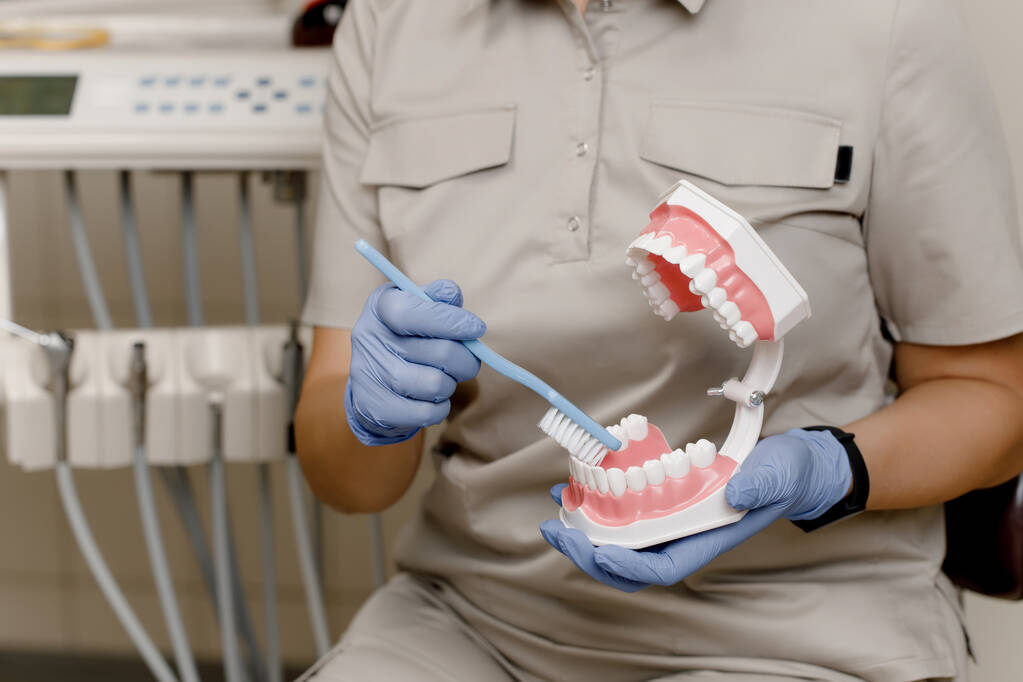
Undergoing wisdom teeth removal is often a rite of passage, marking the end of a dental phase as the final molars make their exit. Although the procedure is common, the aftermath can be riddled with uncertainties and questions, especially when it comes to maintaining oral hygiene. One of the most pressing concerns is the appropriate method and timing for brushing your teeth post-surgery. This guide will illuminate the nuances of oral care following wisdom teeth extraction and help you navigate the healing journey with ease.
Firstly, it’s imperative to understand the physiological ramifications of the surgery. The extraction of wisdom teeth typically results in the formation of a surgical site in your gums, which necessitates a cautious approach to oral hygiene. The amalgamation of swelling, tenderness, and the potential for dry socket—a painful condition arising when a blood clot dislodges—demands that patients adopt new brushing protocols that ensure both safety and cleanliness.
1. The Initial 24 Hours: First Steps in Recovery
Upon returning home, the first 24 hours are paramount to a successful healing process. During this period, the focus should be on minimizing agitation to the surgical site. It is advisable to abstain from brushing altogether for the first day. Instead, rinse your mouth gently with warm salt water after meals to keep the area free from food particles, which can inadvertently introduce bacteria.
2. Transitioning to Careful Brushing
As the 24-hour mark approaches, you can begin to reintroduce brushing, but with caution. Use a soft-bristled toothbrush to prevent aggravating the extraction site. Opt for gentle strokes to clean the rest of your teeth while meticulously avoiding the surgical area. Think of it as a dance, where the objective is to avoid stepping on any metaphorical toes—your gums being the delicate dance partners in need of careful handling.
3. Timing Matters: When to Brush
Acquaint yourself with the optimal times for brushing after surgery. Aim to brush at least twice a day; however, timing should align with the healing process. After the first few days, as swelling diminishes, it might feel more comfortable to brush in the morning and evening. Remain cognizant of your body’s signals; if pain or discomfort persists, it may be prudent to delay brushing the area further.
4. The Right Products: Tools for Success
The selection of oral hygiene products plays a pivotal role in the healing phase. Consider using an antiseptic mouthwash to further cleanse the mouth without the harshness of traditional toothpaste. This can serve as an interim solution until your dentist gives the green light for resuming regular toothpaste. Choose toothpaste free from gritty particles to avoid irritation on sensitive gums.
5. The Art of Rinsing: Gentle Yet Effective
Rinsing your mouth is more than a routine; it’s a crucial step in safeguarding your oral health post-extraction. After brushing, a gentle rinse with plain water, followed by saline solutions, can help wash away remnants. Always ensure you’re gentle; vigorous swishing can dislodge healing tissues, potentially leading to complications.
6. Recognizing Trouble: Signs of Complications
Although rare, complications can occur during the recovery process. Look out for persistent bleeding, increased pain, or signs of infection such as swelling beyond normal limits or fever. Should you notice these symptoms, it is imperative to reach out to a dental professional immediately. Early intervention can significantly alter the course of your healing.
7. Modification of Diet: The Impact on Hygiene
Your diet drastically influences how you approach oral hygiene following surgery. Engage in a soft food regimen that minimizes the need for aggressive brushing. Avoid hard, crunchy, and chewy foods that may exacerbate soreness or dislodge blood clots. Smoothies, yogurt, and soups not only support healing but also make it less burdensome to maintain cleanliness.
8. Post-Surgery Follow-up: Importance of Professional Guidance
Following your wisdom teeth extraction, adhering to the dental team’s post-operative care instructions is crucial. Attending follow-up appointments allows for professional monitoring of healing and provides an opportunity to discuss any lingering concerns about your oral hygiene routine. This partnership between patient and provider is vital for ensuring a seamless, complication-free recovery journey.
In conclusion, wisdom teeth removal marks a significant transition in your dental health. Embracing a thoughtful and cautious brushing regimen after the procedure can pave the way for efficient healing while alleviating potential complications. By being mindful of your body’s needs and altering your habits during this brief period, you not only foster your recovery but also maintain a vibrant smile for the future. Remember, while the initial discomfort may seem daunting, understanding and executing appropriate aftercare can turn this challenging time into a testament to your resilience and commitment to oral health.







Leave a Comment