When it comes to foot ailments, many people conflate the symptoms of bunions, gout, and arthritis, potentially leading them to misinterpret the nuances of their conditions. Each of these afflictions presents unique challenges and requires a dedicated understanding for effective management. This article aims to unravel the intricate web connecting bunions, gout, and arthritis, offering insight into their distinctions, commonalities, and treatment options.
Before examining the particulars of each condition, it’s beneficial to recognize that while they can coexist, their origins and manifestations differ significantly. We’ve promised a shift in perspective regarding these foot woes that many endure, inviting readers to delve deeper into the distinctions that could elevate their self-care.
Bunions: A Grotesque Deformation
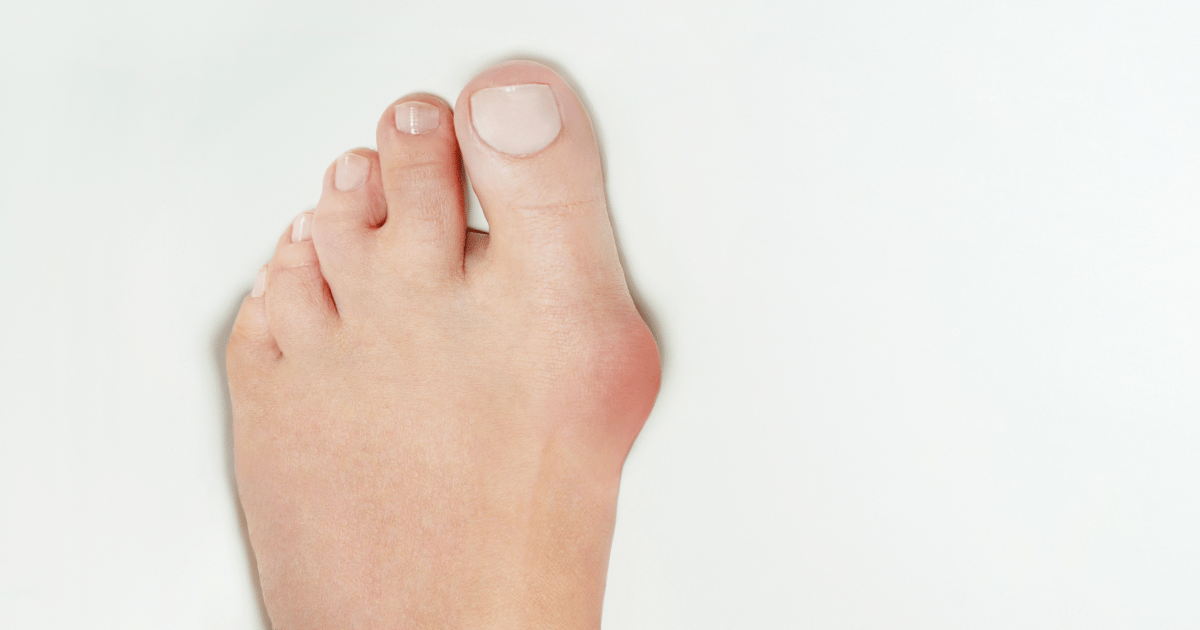
Bunions, or hallux valgus, are characterized by a bony protrusion at the base of the big toe. This deformity occurs when the big toe deviates toward the second toe, leading to a misalignment of the first metatarsophalangeal joint. The evolution of a bunion can arise due to a myriad of factors, including genetics, inappropriate footwear, or excessive stress on the feet.
Symptoms include pain, swelling, and compromised mobility, often exacerbated by narrow or high-heeled shoes. Treatment options range from lifestyle modifications—such as opting for wider footwear—to more invasive procedures like bunionectomy for severe cases. Recognizing these symptoms early can significantly improve quality of life, allowing one to maintain their activities without the burden of pain.
Gout: The King of Diseases
Gout, often referred to as the “king of diseases” or “rich man’s disease,” is a form of inflammatory arthritis distinguished by its sudden onset of intense pain, swelling, and redness. It occurs when uric acid crystallizes in the joints, with the big toe being the most commonly affected site. The precipitation of monosodium urate crystals leads to an agonizing inflammatory response, which can immobilize those afflicted.
Various lifestyle factors contribute to the risk of developing gout, including diet high in purines (found in red meats, seafood, and alcohol), obesity, and certain medications. The dual-edged sword of genetic predisposition complicates the tableau, as some individuals carry a hereditary burden that enhances their risk.
Management of gout typically involves acute and chronic strategies. Non-steroidal anti-inflammatory drugs (NSAIDs) provide relief during flair-ups, while long-term strategies emphasize dietary adjustments, weight management, and medications that lower uric acid levels, such as allopurinol.
Arthritis: The Silent Perpetrator
Arthritis is an umbrella term encompassing a plethora of joint disorders, with osteoarthritis and rheumatoid arthritis being the most prevalent. Osteoarthritis arises from the wear and tear of cartilage that cushions joints, often leading to bone spurs and stiffness. In contrast, rheumatoid arthritis is an autoimmune condition that leads to chronic inflammation of the synovial membrane, catalyzing joint erosion.
Symptoms of arthritis may include persistent pain, swelling, and a notable restriction in range of motion. These manifestations often evolve subtly, misleading individuals to attribute discomfort to natural aging or temporary strain. However, early intervention is paramount for managing arthritis effectively. Physical therapy, surgery, and pharmacological therapies such as anti-inflammatory agents or corticosteroids may be required to alleviate symptoms and halt disease progression.
The Interconnections
While bunions, gout, and arthritis emerge from different etiologies, they can occasionally intersect in ways that complicate diagnosis and treatment. For instance, gout may exacerbate existing bunions due to inflammation from joint swelling, increasing discomfort and mobility issues. Similarly, arthritis can coexist with any similar foot deformity, particularly rheumatoid arthritis, which affects the joints of the feet. The complexity increases when one considers that factors like obesity and genetics play significant roles across all three conditions.
Managing the Triad
The interrelations among bunions, gout, and arthritis significantly influence an individual’s podiatric health. Prevention of these conditions requires a proactive approach: mindful shoe choices, healthy dietary practices, and maintaining an optimal weight can mitigate risks substantially. Regular exercise, particularly low-impact activities, not only improves muscular strength but also enhances joint flexibility.
For those already contending with one or more of these conditions, it’s vital to cultivate open communication with healthcare providers to tailor individualized treatment plans. The adage “knowledge is power” rings particularly true here. Understanding the intricacies of these disorders can enable individuals to take significant strides toward self-management.
Conclusion: Embrace Clarity
Dispelling misconceptions surrounding bunions, gout, and arthritis is essential in fostering better health outcomes. By acknowledging the distinctions while also recognizing their potential intersections, individuals can equip themselves with the knowledge needed to combat these conditions effectively. Awareness, prompt diagnosis, and a strategic approach to treatment can make a profound difference in navigating the often-painful journey associated with foot ailments.
Ultimately, embracing clarity in the face of these pervasive conditions empowers individuals to reclaim their mobility and lead an active life—one that remains unshackled by the weight of discomfort.











Leave a Comment