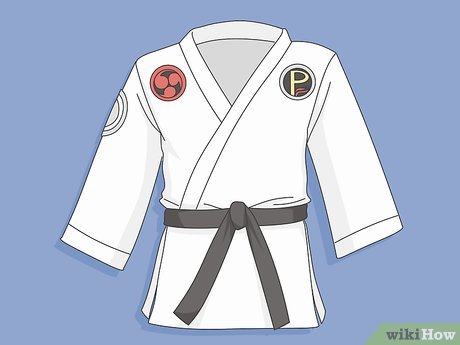
When it comes to martial arts, attire is not merely about tradition; it is also about functionality and personal comfort. For practitioners of karate, the quintessential uniform, known as a gi, epitomizes both heritage and practicality. However, a frequently posed question among karate enthusiasts, especially men, is whether it is appropriate to wear a shirt underneath the gi. This query opens up a dialogue about tradition versus personal preference, comfort, and the functional implications of attire in martial arts. Below, we will delve into various facets of this inquiry, exploring guidelines, considerations, and even the cultural ramifications of this practice.
1. Understanding the Karate Gi
The karate gi is a simple but significant piece of clothing, traditionally consisting of a jacket and pants made of thick cotton. It serves multiple purposes, providing durability, ease of movement, and a canvas for the display of belts that signify rank. The gi is a symbol of discipline and respect within the martial arts community. Understanding its origins and functionality assists in appreciating the nuances of what one wears underneath.
2. The Debate: Tradition versus Modernity
One of the foremost considerations when contemplating wearing a shirt beneath the gi is the dichotomy of tradition versus modernity. Traditionalists argue that the gi should be worn as designed, without any alterations. For them, wearing an additional layer may dilute the martial ethos—implying a lack of respect for the art form. Conversely, modern practitioners often advocate for personal comfort and adaptation to individual needs, especially in climates that may be particularly hot or humid. This raises a fundamental question: should personal comfort take precedence over tradition?
3. Practical Benefits of Wearing a Shirt
In warmer climates or during grueling training sessions, wearing a moisture-wicking shirt underneath can significantly enhance comfort. Such fabrics can help absorb sweat, making training more bearable and preventing the gi from sticking to the body. Moreover, a shirt can add an extra layer of protection, reducing skin friction and potential irritation from the gi itself. This is especially relevant for beginners, whose skin might be more sensitive to the rigors of training.
4. Choosing the Right Shirt
If one opts to wear a shirt under the gi, the choice of fabric and fit becomes paramount. Lightweight, breathable materials, such as polyester blends or advanced moisture-wicking fabrics, are highly recommended. They offer the necessary comfort without adding significant bulk. Moreover, the shirt should ideally fit snugly but not restrict movement, allowing for the full range of motion required in karate. A form-fitting design will also minimize the risk of the shirt becoming untucked or bunching up during rigorous activities.
5. Cultural Considerations
In some karate dojos, instructors may have specific cultural norms regarding uniformity. In such environments, wearing a shirt underneath the gi might be seen as inappropriate or disrespectful. It’s essential to consult with instructors to understand the dojo’s etiquette and adherence to their traditions. A conversation about attire can foster mutual understanding and respect, bridging the gap between individual preferences and cultural expectations.
6. Adjusting for Sparring and Competitions
When it comes to sparring sessions or competitions, the rules tend to vary. Some dojos or tournaments have strict regulations regarding the uniform and what can be worn underneath. It’s necessary to familiarize oneself with these guidelines. Failing to comply can result in disqualification or other consequences. Thus, prior investigation into competition attire requirements is key.
7. Psychological Factors and Confidence
The way a martial artist feels in their attire can significantly impact performance. A well-fitted shirt can boost a practitioner’s confidence, providing a sense of readiness and comfort. In contrast, discomfort during training may lead to distractions, ultimately hindering one’s focus and progress. The psychology of attire in martial arts is an often-overlooked yet crucial aspect of a practitioner’s journey.
8. Alternative Solutions
If the idea of wearing a shirt beneath the gi seems unappealing, there are several alternatives to consider. Compression undershirts or rash guards are designed to be worn under martial arts uniforms, offering both comfort and a streamlined look. These garments provide excellent moisture management without the bulk of traditional shirts, seamlessly blending with the gi.
Conclusion
Ultimately, whether or not a man should wear a shirt under his karate gi is a personal choice that hinges on various factors, including comfort, tradition, dojo etiquette, and practical functionality. While traditionalists may prefer the gi worn in its purest form, modern practitioners often find that individual needs and climates warrant adaptations. Understanding the implications, both cultural and psychological, can guide this decision, ensuring that personal expression and respect for tradition coalesce in the practice of karate. Whether one chooses to don a shirt or not, the essence of karate lies not solely in the attire but in the spirit and dedication of the practitioner.










Leave a Comment