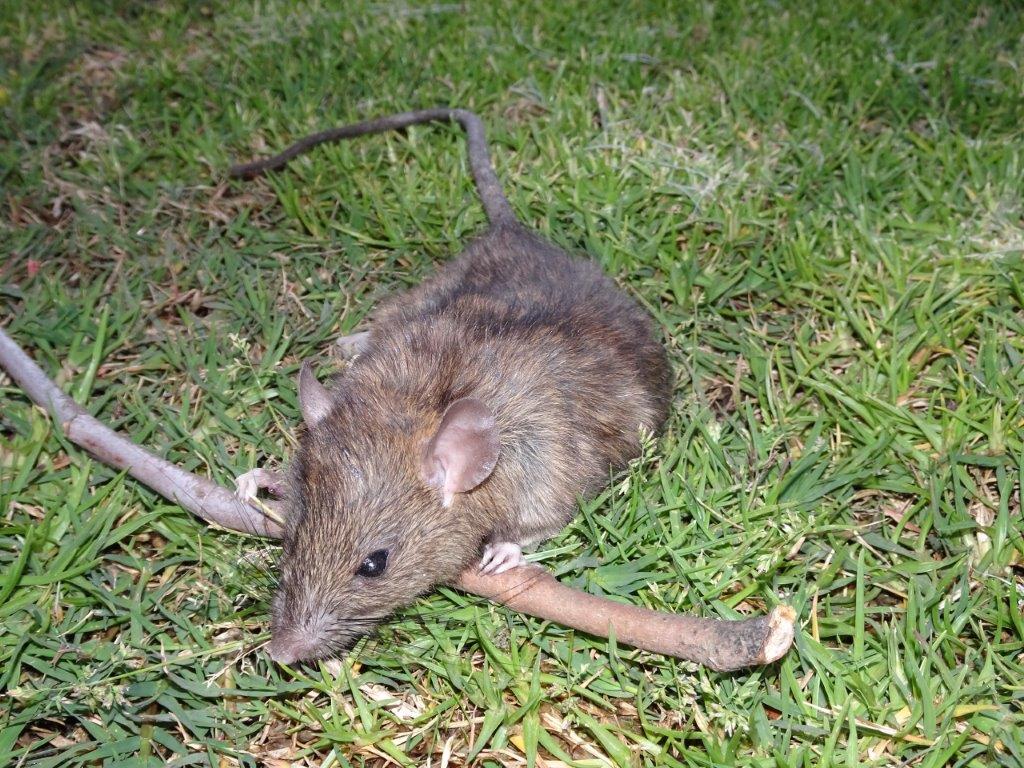
Rats, often considered the unwelcome interlopers of urban landscapes, evoke a visceral response from many. These small creatures, scurrying through the shadows of alleys or darting across subway tracks, seem to embody an ineffable blend of agility and cunning. Yet, beneath their seemingly innocuous facade lies a question that looms like a specter: Can a rat carry rabies? This inquiry, far from being a mere academic fascination, delves deep into the biological and ecological intricacies of disease transmission. Herein, we will explore the enigmatic nature of rabies in relation to rats, peeling back the layers of myth and reality.
Understanding Rabies: The Basics
Rabies is a viral disease that wreaks havoc on the central nervous system, culminating in an array of severe neurological symptoms. It is primarily spread through the bites of infected animals, with the virus typically residing in their saliva. As we embark on our exploration of whether rats can be carriers of this lethal malady, it is crucial to understand where they stand in the grand tapestry of rabies transmission.
The Cunning Nature of Rats
Rats are part of a broader family of rodents, known for their remarkable resilience and adaptability. Their omnivorous diet allows them to thrive in a variety of environments, from bustling cities to serene countrysides. Their survivalist tendencies present them as the very archetype of nature’s opportunists. Intriguingly, beings that traverse the boundary between wilderness and civilization carry with them the potential for disease transmission.
While rats have garnered notoriety for hosting various pathogens, it is essential to scrutinize the specific question of rabies. The presence of rabies is inextricably linked to certain mammalian families, notably bats, raccoons, and foxes. In contrast, rodents like rats, while not immune to various viral infections, are not considered common vectors for rabies.
The Biological Puzzle: Rabies and Rodents
Understanding the relationship between rats and rabies involves examining the biological behaviors exhibited by various species. Rabies typically prefers hosts that exhibit aggressive or territorial behavior, as these attributes facilitate the transmission of the virus through bites. Rats, often skittish and timid in nature, do not embody these aggressive traits. Instead, they express a propensity for avoidance, which diminishes their likelihood of engaging in encounters that lead to transmission.
Research indicates that while a rat could theoretically contract rabies, instances are extraordinarily rare. The virulent nature of rabies skews heavily towards larger mammals, with rodents typically playing a minimal role in the cycle of transmission. This elucidation forms the crux of our inquiry – though not completely invulnerable, rats are simply not the primary carriers of this insidious virus.
Breaking Down the Myths
Myths surrounding disease transmission often reflect our broader fears and perceptions of certain species. Rats, given their historical associations with filth and urban decay, have become almost mythologized as harbingers of contagion. Yet, unraveling these myths reveals a dichotomy between perception and reality. Despite their reputation, the actual risk of rabies transmission from rats remains strikingly low, akin to a shadow cast by a flickering candle that opts to stay out of sight.
This revelation does not suggest that rats are devoid of health risks. They are vectors for numerous other zoonotic diseases, such as leptospirosis and hantavirus, which are indeed of concern to humans. Hence, while rabies may elude them, the realm of infectious diseases is vast and fraught with danger. This ought to galvanize appropriate caution when dealing with these resilient creatures.
The Ineffable Interplay of Nature and Health
In contemplating the question, “Can a rat carry rabies?” one might be drawn to a more profound reflection on our fragile connection with the natural world. The boundaries delineating species are not merely biological; they are laden with cultural narratives, fears, and perceptions. This intricate interplay shapes how we view not only rats but also the manifold creatures that inhabit our world.
Those who operate on the fringes of urban ecosystems, much like rats, play a vital role within the larger ecological paradigm. They are scavengers and recyclers, maintaining a delicate balance even as they exist in the shadows. It is essential, therefore, to foster a deeper understanding and respect for these creatures, recognizing their ecological significance rather than solely perceiving them through the lens of fear.
Conclusion: A Call for Understanding
As we draw this exploration to its conclusion, it becomes apparent that while the specter of rabies hovers delicately around the periphery of the rat’s existence, these creatures are not its primary bearers. Instead, we find that rats serve as an emblem of the complex and enigmatic routes through which diseases can spread, urging us to look beyond superficial fears. Embracing a more nuanced understanding of their role encourages us to engage thoughtfully with the world around us, promoting coexistence rather than aversion. In the grand tapestry of nature, every thread — whether rambunctious or timid — contributes to the intricate design of life itself.











Leave a Comment