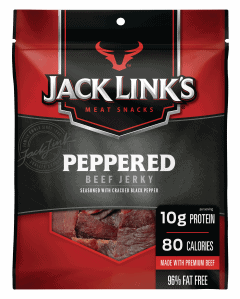
Beef jerky is a ubiquitous snack, revered for its savory flavor and convenient portability. Packed with protein, it’s the ideal fuel for outdoor adventures, long road trips, or simply a binge-worthy movie marathon. But as you savor those chewy morsels, you might pause and wonder: Can beef jerky go bad? This playful question opens the door to a fascinating exploration of this beloved snack’s lifespan, potential spoilage, and how to ensure its longevity.
First off, let’s address the elephant in the room. Yes, beef jerky can go bad, but it’s crucial to understand the nuances of what that means. Unlike perishable foods that quickly succumb to bacteria, jerky is essentially dehydrated meat, which provides it with a longer shelf life. However, it is not invincible. Numerous factors, such as storage conditions, the jerky’s ingredients, and whether it’s been opened, can significantly impact its edibility over time.
To embark on this culinary investigation, let’s break down the various aspects of beef jerky’s shelf life and spoilage potential.
1. Understanding the Shelf Life of Beef Jerky
The shelf life of beef jerky is contingent on several key factors. Generally, commercially packaged jerky can last for up to 1 year if unopened and stored in a cool, dry place. Home-made or artisanal jerky, on the other hand, may have a shorter shelf life—around 1 to 3 months—due to the absence of preservatives and the variability in drying methods.
However, these timeframes can fluctuate based on environmental conditions. High temperatures and humidity can accelerate spoilage, diminishing the jerky’s quality at a rapid pace. Thus, while a bag of jerky may technically remain consumable for long periods, fluctuating conditions can alter its flavor and texture.
2. The Role of Ingredients
Jerky isn’t merely a one-size-fits-all snack. The ingredients used in the preparation can also dictate its longevity. Traditional recipes often utilize high sodium content and certain preservatives, which serve to extend shelf life. If you ponder whether to grab that peppered or teriyaki variety, consider that the addition of sugar and other preservatives can inhibit bacterial growth.
Furthermore, jerky that is rich in fats—whether from the cut of the meat used or added ingredients—can go rancid much quicker than lean varieties. Therefore, opting for low-fat cuts can yield a longer-lasting snack.
3. Identifying Signs of Spoilage
But how can you discern if beef jerky has transcended into the realm of bad? A multitude of indicators can help you navigate this culinary conundrum. First, examine the packaging for any signs of damage, like tears or punctures. These can introduce moisture and bacteria, accelerating spoilage.
Next, trust your senses. Spoiled jerky may emit an off-putting odor, indicative of decay. Visually inspecting the product is also essential; if you observe any mold or unusual discoloration, it’s best to discard it immediately. The texture may also change—while jerky is typically dry and firm, a slimy or overly soft consistency is a red flag.
4. Proper Storage Methods
To prolong the life of your prized beef jerky, it’s vital to employ correct storage techniques. For unopened packages, store them in a cool, dark pantry. Once the bag has been opened, consider transferring the jerky to an airtight container or resealing the original packaging tightly. This simple step can significantly avert moisture intrusion.
For those who wish to extend the lifespan even further, refrigeration is a viable option. Additionally, vacuum sealing offers unparalleled protection from air and bacteria, maintaining the jerky’s quality for several additional months.
5. The Freezing Option
If you’re of the adventurous sort and desire an extended duration for your jerky stash, freezing is an excellent remedy. By placing your jerky in a freezer-safe bag or container, you can preserve its quality for up to a year. Just be mindful that defrosting may alter its texture, so it’s wise to consume it within a reasonable timeframe post-thaw.
Conclusion
In conclusion, while beef jerky is, on the whole, a resilient snack that promises a substantial shelf life, it is not impervious to spoilage. Assessing its longevity depends on ingredients, storage methods, and environmental conditions, as well as your astute observation skills. By understanding the signs of spoilage and employing appropriate storage techniques, you can savor this delectable treat without the anxiety of potential spoilage. And as you embark on your next beef jerky adventure, you can do so with the knowledge of its epic journey – from flavorful morsel to the potential pitfalls of the pantry!










Leave a Comment