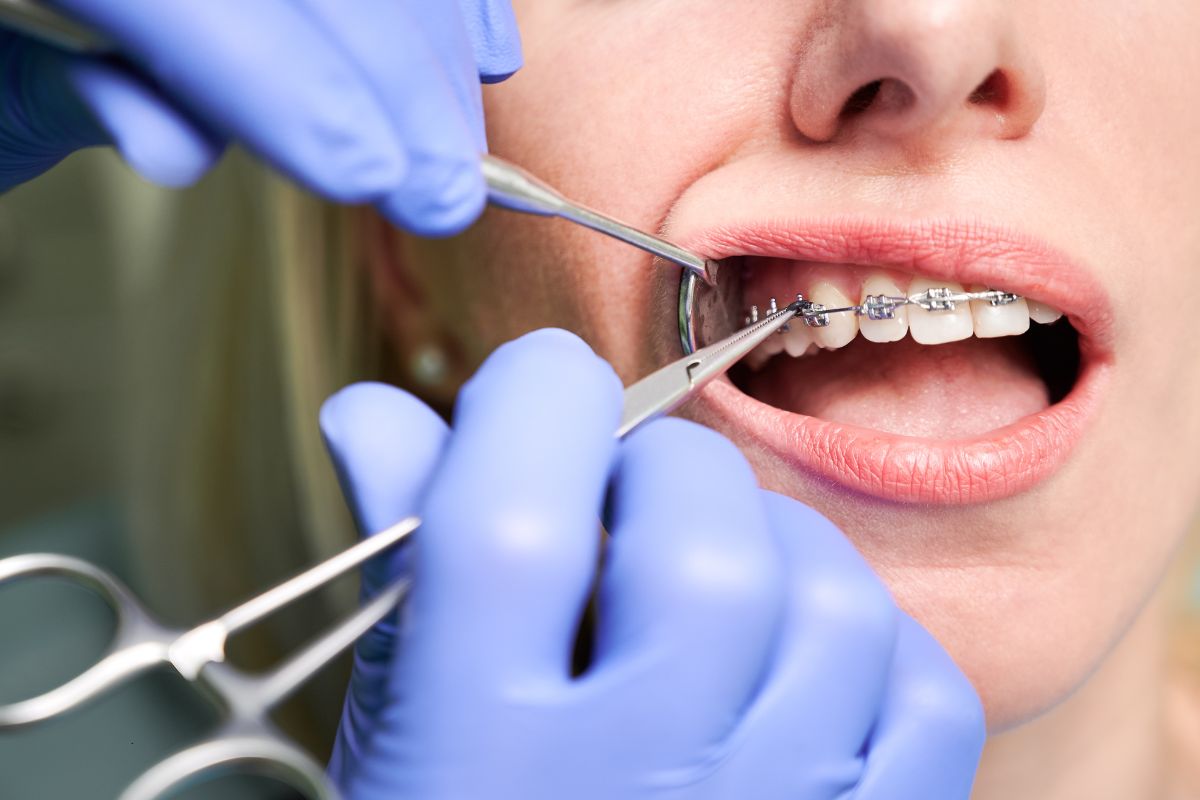
Temporomandibular Joint Disorder (TMJ) represents a discomforting and intricate ailment that has drawn the scrutiny of both dental professionals and the general populace alike. The jaw’s structure, combined with its myriad functions, invites a fascination that goes beyond mere aesthetics. Many patients grappling with TMJ symptoms often wonder, “Can braces fix TMJ?” This query serves as a gateway into a broader discussion about the relationship between orthodontics and jaw health. Understanding the interplay between braces and TMJ can illuminate the underlying complexities of dental care and its profound influence on overall well-being.
Understanding TMJ Disorders
TMJ disorders encompass a range of conditions that affect the jaw joint and the muscles controlling jaw movement. Symptoms can manifest as chronic jaw pain, headaches, earaches, or discomfort while chewing. The multifactorial nature of TMJ disorders often leads to inquiries regarding their origins. Among the contributing factors are anatomical irregularities, past injuries, teeth grinding (bruxism), and even stress. The significance lies in the fact that misalignments in the jaw can often exacerbate these problems, making the examination of treatment options paramount.
The Role of Orthodontics
Orthodontics, primarily associated with the alignment of teeth, delves into the realm of jaw relationships, too. Misalignment of teeth—malocclusion—can lead to undue stress on the temporomandibular joint, intensifying TMJ symptoms. Therefore, many patients may find themselves pondering whether orthodontic interventions, particularly braces, could alleviate their discomfort. The nature of this inquiry opens a dialogue about the structural implications of wearing braces and their potential to rectify jaw alignment.
How Braces Function
Braces work by applying continuous pressure over time to gradually shift teeth into a desired position. This repositioning does not merely enhance aesthetics; it can also contribute to better jaw alignment and function. As teeth are guided into place, the relationship between the upper and lower jaw can potentially improve, thereby relieving stress on the temporomandibular joint. The intricate design of braces includes brackets, wires, and potential additional components like elastics, all working synergistically to effectuate change.
Braces as a Potential Solution for TMJ Disorders
There exists a burgeoning body of evidence suggesting that braces may provide substantial relief for TMJ-related discomfort. For individuals with malocclusion or other dental misalignments, functional orthodontic treatment can align teeth and jaws, potentially alleviating some of the strain on the TMJ. However, it’s vital to approach this solution with a nuanced understanding. The effectiveness of braces in treating TMJ may not be universally applicable; some patients might require a multifaceted approach that incorporates physical therapy, stress management, and other therapeutic modalities.
Types of Braces and Their Effectiveness
When considering braces as a potential intervention for TMJ disorders, one must also contemplate which type of braces is most suitable. Traditional metal braces are commonly used, but alternatives such as ceramic braces and lingual braces exist, each offering unique benefits. Clear aligners are another option that has gained popularity for their aesthetic appeal and comfort. Each type presents distinct advantages that can influence overall treatment duration and comfort, and thus, the decision on which to use should be tailored to the individual’s specific needs and preferences.
Consultation with a Dental Professional
Prior to embarking on an orthodontic treatment path for TMJ concerns, a comprehensive consultation with a dental professional is essential. A thorough assessment of the temporomandibular joint and dental alignment will inform the best course of action. This dialogue should encompass discussion on potential risks, expected outcomes, and complementary treatments that may enhance the effectiveness of orthodontic interventions. Each patient’s journey is unique, necessitating a bespoke approach tailored to individual cases.
Beyond Braces: Comprehensive Care Approaches
While braces can play a pivotal role in addressing some aspects of TMJ disorders, they do not exist in a vacuum. A holistic approach—incorporating behavioral therapies, bite guards, and physical therapy—can significantly increase the likelihood of success. Stress management techniques, including mindfulness and relaxation exercises, may also be beneficial, as stress is often a contributing factor to TMJ symptoms. By considering all these elements, patients can foster a more comprehensive treatment plan.
Conclusion
The inquiry into whether braces can alleviate TMJ disorders reveals a tapestry of considerations that intertwine the field of orthodontics with the complexities of jaw health. While braces can indeed rectify certain misalignments that may contribute to TMJ pain, they form just one part of a broader spectrum of potential solutions. To attain lasting relief, a collaborative effort between patient and practitioner is fundamental, incorporating various strategies and addressing the individual nuances of each case. Ultimately, this multifaceted approach holds the promise of not merely alleviating discomfort, but enhancing the overall quality of life for individuals facing the disruptions of TMJ disorders.











Leave a Comment