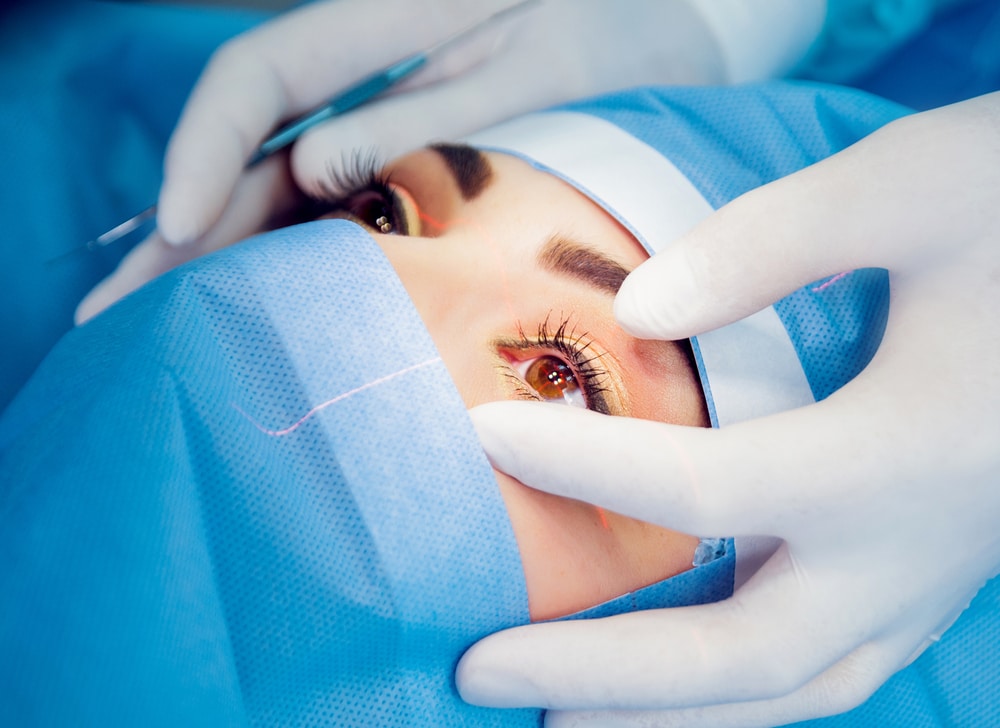
As one delves deeper into the realm of ophthalmology, the word “cataracts” emerges not merely as a medical condition but as a veritable rite of passage for many as they progress through the years. These opaque formations in the lens of the eye can significantly impair vision. They often prompt corrective procedures, leading to a transformative journey towards clarity. However, an inquiry persists: Can cataracts come back after surgical intervention? To navigate this intricate subject, we will explore the multifaceted nature of cataracts, the surgical remedies, and the compelling question of recurrence.
When broaching the discussion of cataracts, one must first grasp their nature. Cataracts form when proteins in the lens of the eye clump together, resulting in clouding that impedes light from reaching the retina. This condition generally manifests with age but can also be exacerbated by factors such as diabetes, obesity, smoking, and prolonged exposure to sunlight or radiation. The gradual decline in visual acuity can lead to challenges in daily life, underscoring the importance of understanding, treating, and potentially preventing their return.
The modern standard for cataract treatment is the surgical extraction of the cloudy lens, often replaced with a synthetic intraocular lens (IOL). This procedure has seen remarkable advancements over the years, evolving from rudimentary techniques to precise, state-of-the-art interventions. Patients frequently report immediate improvement in vision following surgery, which can be nothing short of miraculous.
Yet, the question remains: do cataracts have the capacity to return post-surgery? The answer necessitates a nuanced discussion. Primarily, it is essential to differentiate between two entities: the recurrence of cataracts in their original form and the development of cataracts anew. The term “secondary cataract” is often employed to describe a phenomenon that can occur after surgery. Here lies the crux of the inquiry—while the original cataract may be eradicated, secondary cataracts can manifest.
Secondary cataracts are not an actual return of the initial cataract but rather the opacification of the capsule that holds the IOL in place. Often referred to as posterior capsule opacification (PCO), this condition can develop weeks, months, or even years after the initial cataract surgery. PCO occurs when epithelial cells that remain after surgery proliferate and create a cloudy membrane behind the intraocular lens. The resulting dimming of vision can mimic the symptoms associated with traditional cataracts, leading to confusion among patients.
The silver lining lies in the fact that secondary cataracts are relatively straightforward to address. A procedure called YAG laser capsulotomy is routinely employed to restore clarity. This minimally invasive approach utilizes laser technology to create an opening in the cloudy capsule, allowing light to once again stream freely through to the retina. The newfound clarity is typically immediate, providing a prompt solution for a condition that could otherwise foster trepidation.
With this understanding, one can begin to appreciate the importance of postoperative monitoring. Regular eye examinations with a qualified ophthalmologist can play an instrumental role in detecting secondary cataracts early on. Early intervention is key; patients who are attuned to their visual health and communicate effectively with their eye care provider are often the most successful in navigating the complexities that may arise following cataract surgery.
Nevertheless, it remains crucial to discuss the potential development of new cataracts after surgery. While individuals may emerge victorious from an initial surgical experience, the natural aging process may bring about the formation of new cataracts. Risk factors such as uncontrolled diabetes, lifestyle choices, and prolonged UV exposure can contribute to the emergence of cataracts, regardless of a prior surgical history.
This prospect can indeed evoke a sense of futility—having overcome one hurdle only to face another. Yet, such challenges present an opportunity for proactive management and preventive strategies. Lifestyle modifications, including a healthy diet rich in antioxidants, refraining from smoking, and protecting one’s eyes from harmful UV rays, can mitigate the chances of developing new cataracts. Additionally, engaging in regular health check-ups can provide invaluable insights into one’s overall ocular health.
Invariably, the question of whether cataracts can come back opens the door to broader discussions about vision health and the aging process. It challenges us to rethink our perceptions of these conditions and encourages a proactive approach to eye care. The journey is not merely about combating existing ailments but encompasses a wider philosophy of prevention and wellness.
In conclusion, while cataracts, in essence, do not “come back” in the traditional sense after successful surgery, secondary cataracts can emerge, necessitating timely intervention. Likewise, the development of new cataracts may arise as part of the natural aging process. Educational awareness and advocacy for consistent eye examinations can empower individuals to embrace their visual journey fully. Knowledge is indeed a formidable ally, and with it, one can navigate the labyrinth of eye health with confidence and clarity.











Leave a Comment