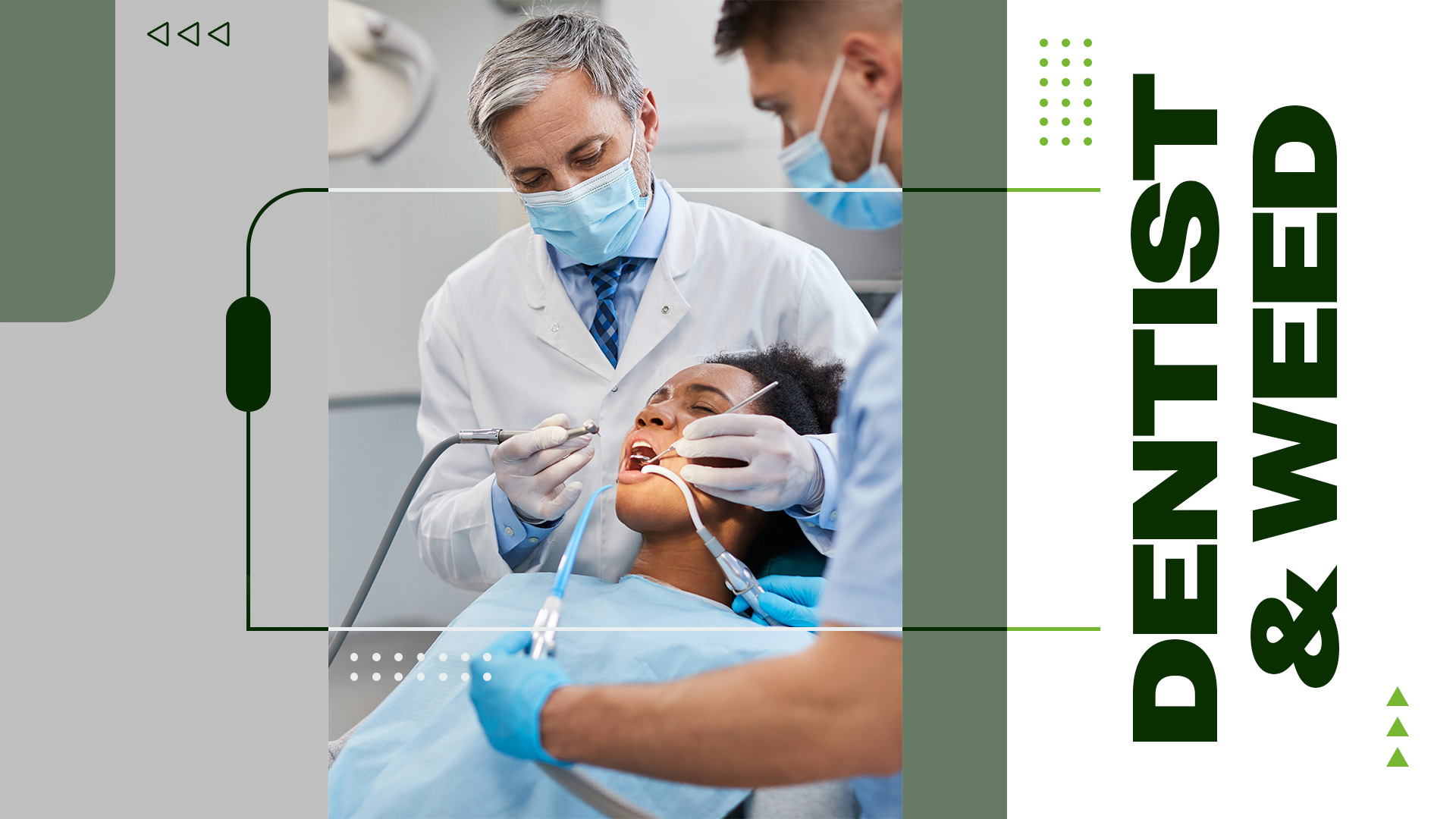
In the ever-evolving landscape of health and wellness, the intersection between lifestyle choices and oral health merits closer scrutiny. One may ponder, can dentists discern whether a patient indulges in marijuana? The query goes beyond a mere curiosity; it encapsulates broader implications for health, dialogue, and trust in the dentist-patient relationship.
Understanding the Oral Effects of Marijuana
A myriad of substances impacts the human body, but few provoke as much intrigue or complex conversation as cannabis. Regular marijuana use can alter the oral environment in subtle but significant ways. The first and foremost concern associated with smoking weed is its propensity to induce dry mouth, scientifically known as xerostomia. Cannabinoids bind to receptors in the salivary glands, reducing saliva production, which can lead to a host of dental issues such as cavities and gum disease.
Additionally, the act of smoking—whether tobacco or marijuana—introduces a plethora of harmful substances into the oral cavity. These include tar and other toxins that can place users at a heightened risk for periodontal disease due to inflammation and compromised immune responses. All these factors converge to create telltale signs that are difficult for a skilled dentist to overlook.
Visual Indicators: Signs a Dentist Might Notice
During a thorough examination, a dentist has the expertise to identify various indicators that a patient may be a marijuana user. For instance, dry mouth is not merely a casual complaint; rather, it manifests during assessment through a lack of adequate saliva, leading to difficulty in swallowing and increased plaque buildup. Dentists may also observe signs of gum disease, such as swollen gums or pockets forming between the teeth—common occurrences among marijuana smokers due to reduced immunity and oral hygiene challenges.
Furthermore, discoloration of the teeth could raise a red flag. The burning of marijuana can leave a residue that stains teeth, much like tobacco does. If a patient has noticeably yellowed or brownish teeth and a history of other oral complications, it casts suspicion on their smoking habits, regardless of the substance.
Behavioral Context: Discussion During Consultations
An open line of communication between the dentist and the patient is crucial, especially when it pertains to lifestyle choices affecting oral health. Dentists often employ conversational techniques to elicit information about a patient’s habits. A friendly, nonjudgmental approach invites patients to discuss their smoking behaviors—whether it’s cigarettes, marijuana, or other substances.
Questions might arise in the context of routine check-ups. ‘Have you noticed any changes in your oral health?’ or ‘Are you experiencing any new sensitivities or discomfort?’ These inquiries often lead to revelations that can inform treatment. For those who use marijuana, understanding its potential repercussions on oral health can be pivotal for proactive dental care.
The Role of Technology: Testing and Diagnostics
While visual inspections and discussions are primary tactics, advances in dental technology allow professionals to buttress their insights. For instance, saliva testing has emerged as a potential diagnostic tool. Although primarily used for illicit substances, the principles can extend. Certain biomarkers could potentially indicate cannabis use, providing data that stretches beyond personal admissions.
Yet, ethical considerations loom over the use of such tests. The primary focus of a dentist’s role is promoting health, which hinges on trust and transparency. Many practitioners tread lightly when it comes to invasive testing, choosing instead to foster an environment where patients feel comfortable disclosing pertinent information voluntarily.
Potential Consequences: For Patients with Cannabis Use
If a dentist determines that a patient regularly uses marijuana, this realization can yield critical advice tailored to mitigate oral health risks. The potential repercussions extend beyond posterior cavities and gingival disease; being informed means understanding how smoking may also affect dental procedures. For instance, patients who smoke may experience longer healing times post-extraction or surgery, complicating aftercare routines.
Moreover, dentists might recommend enhanced oral hygiene practices, including fluoride treatments or increased frequency of cleanings. It becomes essential not only to treat existing conditions but to implement preventive measures against emerging issues associated with marijuana use.
Conclusion: Opening Conversations About Lifestyle Choices
In wrapping up this exploration, one thing becomes exquisitely clear: dentists possess robust capabilities to indirectly infer marijuana use through clinical observations and dialogue. While they may not specialize in substance abuse counseling, they are vigilant guardians of your oral health, striving to create a safer, healthier environment for all patients.
As society progressively normalizes discussions surrounding cannabis, the dentist’s office serves as a crucial frontier where lifestyle choices and health narratives intersect. Engaging in an honest dialogue not only facilitates better treatment outcomes but reinforces the inherent trust that underpins the healthcare experience. Whether you partake in marijuana or not, fostering transparency with your dentist will invariably lead to more informed decisions about your oral health, leaving no question unasked.










Leave a Comment