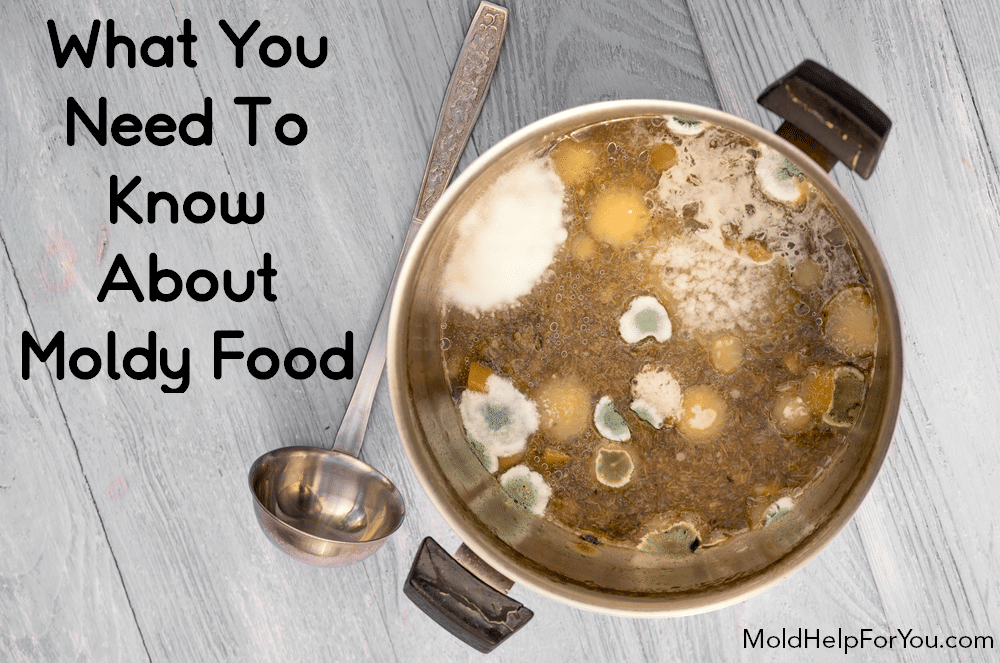
Every morsel of food that we consume carries within it an entire universe of potential. The flavors, textures, and aromas unfold a symphony of sensations that dance across our palates. However, this culinary journey can veer into dark territories when the presence of mold infiltrates our meals. The question arises: can consuming moldy food culminate in blurry vision? Let us embark on this exploration, dissecting the intricacies of mold, its implications for health, and its potentially deleterious effects on our eyesight.
The Nature of Mold: A Double-Edged Sword
Mold, an insidious yet fascinating organism, thrives where moisture and organic matter converge. It encapsulates an entire realm of fungi, often manifesting in shades of green, white, or black across our food surfaces. While we typically regard mold as an unwanted guest at the dinner table, it plays a role in various ecosystems and culinary realms, such as the production of cheeses and fermentation. Yet, the same mold that enriches foods can also harbor harmful mycotoxins—poisons that may threaten human health.
This duality presents a tantalizing paradox: the delicacy that nurtures us in moderation can, in excess or negligence, transmute into something perilous.
When considering the impact of mold on health, it is essential to recognize that not all molds are created equal. While some varieties are benign, others can induce a spectrum of symptoms, including gastrointestinal distress, allergic reactions, and—less commonly—neurological issues.
The Pathways to Blurry Vision
Vision, one of our most vital senses, can be disturbingly fragile. It operates with the precision of a finely tuned instrument, easily thrown out of sync by cluttered signals in the body. Consumption of moldy food may introduce mycotoxins into our systems, which, in rare instances, can lead to visual disturbances. The connection between mold ingestion and blurry vision is intricate and multifaceted.
To grasp how these seemingly unrelated phenomena may intertwine, let us veer into the realm of mycotoxins—compounds that mold produces as a defense mechanism. Aflatoxins and ochratoxins are among the notorious offenders. They can alter the delicate balance of neurotransmitters and disrupt normal physiological functions in the body, including those linked to vision.
Some of the manifestations of mycotoxicosis—poisoning by mycotoxins—include migraines, vertigo, and, most insidiously, blurry vision. The visual aberrations may stem from inflammation or damage to the optic nerve, creating a dissonance that can cloud our perception of the world.
Signs of Moldy Food: A Detection Guide
Weaving through the world of food safety requires a vigilant eye. Mold may masquerade as a harmless shadow on an otherwise healthy piece of fruit or the corners of bread. Understanding how to detect it ensures that we don’t fall prey to its potential consequences.
- Visual Inspection: A thorough examination is paramount. Mold may present as discolored patches or fuzzy growths. If you spot it, consider the food item compromised.
- The “Sniff Test”: Mold may emit musty, off-putting odors. If your nostrils sense an unexpected smell creeping into the air, it might be time to discard the item.
- Texture Recognition: Mold can alter the texture of foods. A once crisp apple that succumbs to a soft, squishy feel may be harboring hidden dangers.
When in doubt, remember this mantra: “When in uncertainty, throw it out.” Protecting your health can outweigh the momentary pang of waste.
Coping with Potential Fallouts
Should you find yourself grappling with the repercussions of consuming moldy food, swift action is paramount. Awareness of the symptoms—headaches, gastrointestinal upset, and visual disturbances—is essential. Blurred vision could be a symptom of a broader constellation of effects on the body.
In cases of persistent or severe symptoms, consulting a healthcare professional is advisable. They can guide you through potential treatments and strategies to alleviate discomfort and restore clarity.
Preventive Measures: Building a Fortress Against Mold
Staying vigilant is key to preventing mold from making an unwelcome entrance into your food and home. Here are some practical and actionable strategies to safeguard your health:
- Proper Storage:** Ensure that your food is stored in dry, cool, and well-ventilated areas to inhibit mold growth.
- Regular Inspections: Check your pantry, fridge, and cupboards routinely to catch mold before it spreads.
- Understanding Expiry Dates: Pay close attention to expiration dates and adhere to them with diligence.
By cultivating a proactive mindset and instituting these preventive measures, you create a robust shield against potential health threats.
Conclusion: The Clear Vision Beyond the Shadows
Moldy food, a seemingly innocuous aspect of kitchen life, can harbor perilous implications for our health—especially when it comes to our vision. The relationship between mold consumption and blurry eyesight emphasizes the importance of vigilance in food safety practices. As you navigate the intricate landscape of culinary delights, remember to scrutinize your food choices. Protect your health, and clear the murky fog that mold may cast over the clarity of your vision. Your eyes are the windows to the world, and keeping them clear is paramount.









Leave a Comment