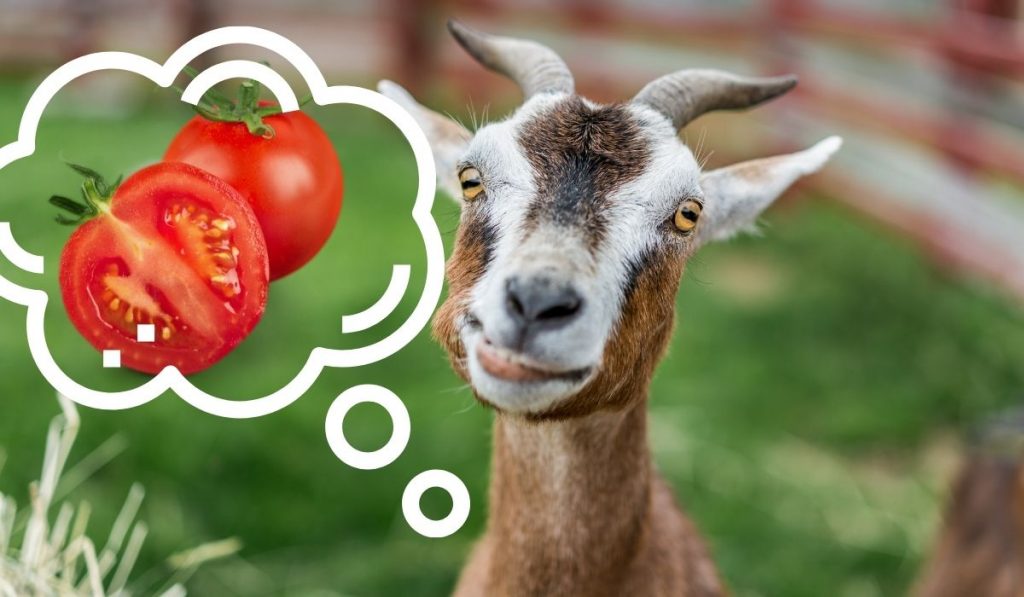
When it comes to farming or keeping goats as adorable companions, many questions arise regarding their dietary options. Can goats eat tomatoes? This seemingly innocuous query opens up a Pandora’s box of nutritional nuances and intriguing insights into the dietary habits of these multifaceted animals. Exploring this topic not only sheds light on the dietary flexibility of goats but also elevates our understanding of their foraging behaviors. Dive into this exploration of the compatibility between goats and tomatoes, and witness your perspective evolve.
First, let’s illuminate the dietary proclivities of goats. Known for their insatiable curiosity and voracious appetites, goats are browser animals. This means that they naturally prefer to consume a heterogeneous array of plants rather than the monotonous grasses that many ruminants munch on. As robust grazers, goats delight in a veritable buffet of leaves, shrubs, fruits, and vegetables. Their penchant for diverse plant matter sets the stage for an intriguing examination of tomatoes.
So, can goats feast on tomatoes? The unequivocal answer is yes—goats can eat tomatoes. However, as is the case with any fodder, moderation is key. Tomatoes, particularly in their ripe state, possess several nutritional benefits which can supplement a goat’s diet. Rich in vitamins such as Vitamin C and K, tomatoes can contribute positively to a goat’s overall well-being. Additionally, they owe their vibrant red hue to lycopene, a powerful antioxidant that is beneficial not just to humans but to goats as well.
Despite these merits, caution must be exercised when integrating tomatoes into a goat’s daily intake. Unripe tomatoes, alongside leaves and stems of the tomato plant, contain solanine and tomatine—alkaloids that can be toxic to goats in elevated quantities. Symptoms of toxicity may range from gastrointestinal distress to neurological issues. Consequently, it’s vital to ensure that only ripe tomatoes—and limited quantities at that—make their way into your goats’ diets. A prudent approach involves introducing tomatoes gradually and monitoring your animals for any adverse reactions.
Tomatoes can serve as an occasional treat rather than a staple food. As we venture deeper into goat nutrition, it’s valuable to understand the optimal way to provide tomatoes. Fresh, juicy tomatoes can be diced and offered directly or, alternatively, blended into a wholesome treat. However, vigilance is paramount; always remove any unripe fruit or poisonous plant parts before serving. A delightful way to captivate their interest is to present tomatoes alongside their favored hay or grains, creating a medley that engages their natural foraging instincts.
Moreover, consider the broader context of goats’ dietary diversity. They thrive on a mixture of grains, forages, and a range of fruits and vegetables. While tomatoes are a tantalizing supplement, they should never replace essential nutrients that come from hay and specially formulated goat feed. Balance is key in ensuring goats receive all the necessary minerals and vitamins for optimal health. What’s more, goats are notorious for their selective grazing habits. Offering a mélange of food not only appeals to their diverse palate but also enhances their overall well-being.
When considering the implications of feeding tomatoes to goats, it’s also worth acknowledging the impact of regional variations in goat breeds. Different types of goats may have varying tolerances or preferences for certain foods. For instance, dairy goats may have slightly different nutritional requirements than meat goats or fiber goats. Understanding the specific needs of your goats, based on breed and purpose, is crucial in creating a diet that is both satisfying and health-promoting.
In addition to direct consumption, tomatoes can play a fascinating role in farm sustainability practices. Utilizing excess tomatoes—those that may be blemished or unsellable—can minimize waste and provide an enriching treat for your goats. This not only elevates your recycling endeavors but also promotes environmental consciousness. By thoughtfully integrating rotten or overripe tomatoes into your herd’s diet, you create a beneficial relationship that bolsters both animal welfare and sustainable agriculture.
It’s also insightful to reflect on the overall well-being of the goat population. Providing variety in their diet can stave off boredom, an often-overlooked factor leading to mental and physical health issues. The inclusion of fruits and vegetables, such as tomatoes, transforms mundane meals into engaging prospects. When goats enjoy a wide spectrum of foods, they are more likely to exhibit natural behaviors, thereby enhancing their quality of life.
In summary, the question of whether goats can eat tomatoes unveils a tapestry of nutritional intricacies. While goats can indeed indulge in occasional servings of ripe tomatoes, ensure that their intake is moderated and mindful. Awareness of the potential toxicity of unripe tomatoes and their plants is vital, as is an appreciation for the diverse dietary habits that goats possess. By thoughtfully integrating tomatoes alongside a broader spectrum of ingredients, you can elevate their culinary experience in a manner that is both nourishing and delightful.
By enhancing your understanding of goats’ dietary habits and the role tomatoes can play, you embark on a transformative journey that transcends basic animal husbandry. With this newfound knowledge, you not only ensure the welfare of your own goats but also contribute to a more holistic approach to farming and caring for these remarkable creatures.










Leave a Comment