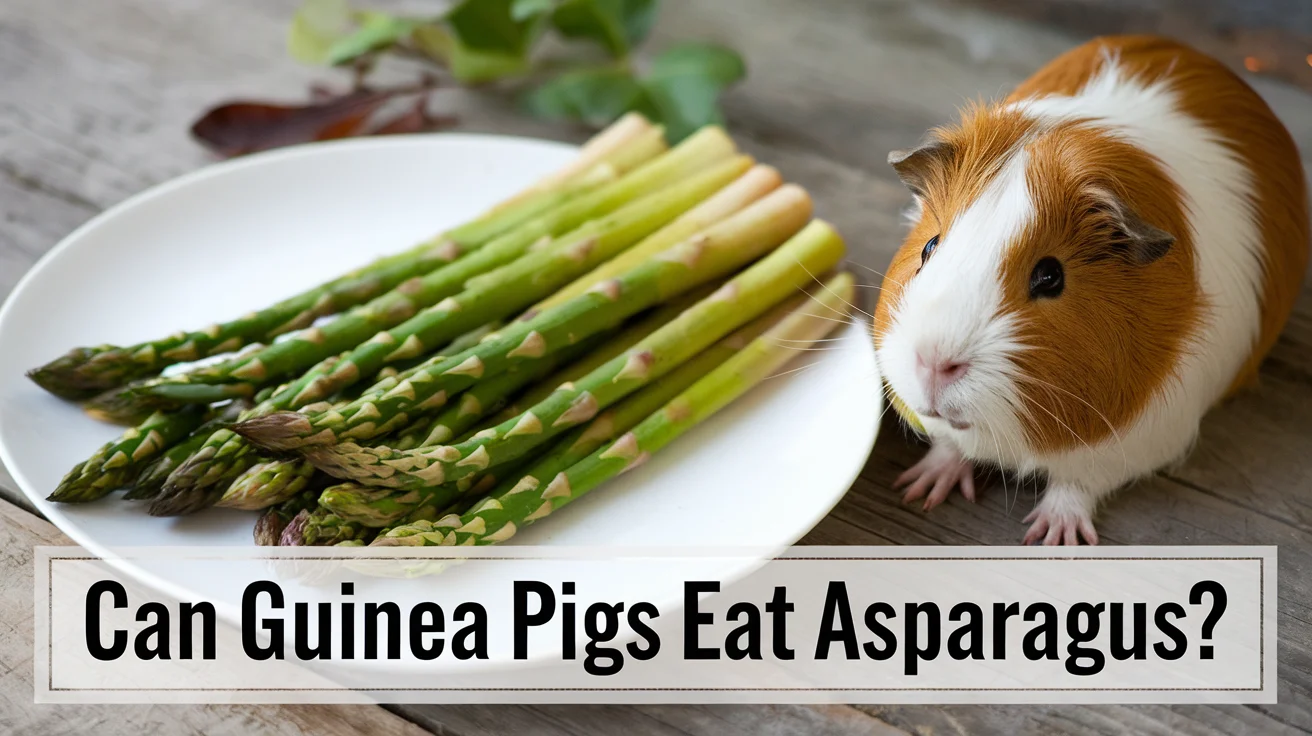
As guinea pig enthusiasts delve deeper into the dietary realms of their beloved pets, the question often arises: Can guinea pigs eat asparagus? This inquiry sparks intrigue not just because of the asparagus itself, but due to the broader implications of guinea pigs’ nutritional needs and preferences. Understanding the intricacies of what constitutes a suitable diet for these small creatures encompasses an exploration of their natural habits, digestive physiology, and the essential nutrients that promote their overall health.
As representatives of the cavy family, guinea pigs are herbivorous animals. Their diet in the wild primarily consists of fresh grasses, herbs, and a variety of leafy greens. However, the pursuit of a balanced diet for domestic guinea pigs often leads to the inclusion of various vegetables and fruits. This is where asparagus enters the conversation. While some vegetables are celebrated as guinea pig delicacies, others require more scrutiny.
Understanding Asparagus: A Nutritious Vegetable
Asparagus, with its vibrant green stalks, is a vegetable celebrated not only for its distinct flavor but also for its impressive nutritional profile. Rich in vitamins A, C, E, and K, along with essential minerals like folate and potassium, asparagus presents itself as a powerhouse of nutrition. Furthermore, it is packed with dietary fiber, which is pivotal in aiding healthy digestion. These attributes compel the curiosity about its suitability in the guinea pig diet.
The Nutritional Needs of Guinea Pigs
Before diving into the specifics of feeding asparagus to guinea pigs, it’s essential to grasp their nutritional requirements. Guinea pigs have a unique digestive system that is finely tuned to a high-fiber diet. The bulk of their daily intake should come from fresh hay, which not only provides fiber but also helps prevent dental issues. In addition, guinea pigs require a consistent supply of vitamin C, as their bodies cannot synthesize this essential nutrient. A deficiency in vitamin C can lead to scurvy, a serious condition that negatively impacts their health.
Can Guinea Pigs Eat Asparagus? The Verdict
The answer to whether guinea pigs can eat asparagus is a cautious yes, but with critical caveats. While asparagus is not toxic to guinea pigs, it should only be offered as an occasional treat rather than a staple. Its fibrous nature could be beneficial, but the high levels of oxalates present in asparagus may pose a concern. Oxalates can hinder calcium absorption and lead to urinary issues if consumed excessively.
Preparing Asparagus for Your Guinea Pig
If you decide to introduce asparagus into your guinea pig’s diet, moderation and proper preparation are paramount. Here are some steps to consider:
- Wash Thoroughly: Fresh produce should always be washed to remove pesticides and dirt. Rinsing asparagus under cool water is a practical approach.
- Cut into Small Pieces: To make it easier for your guinea pig to chew and digest, cut the asparagus into small, manageable pieces.
- Introduce Gradually: When introducing any new food, do so slowly. Start with a small piece and observe for any adverse reactions.
- Pair with Other Veggies: Consider serving asparagus alongside other vegetation that is safe and nutritious for guinea pigs, such as bell peppers or carrots, to diversify their diet.
Observing Reactions and Adjusting Diet
Once asparagus has been offered, it’s vital to monitor your guinea pig’s reactions closely. Look for signs of digestive discomfort, such as bloating, diarrhea, or changes in eating habits. Should any negative symptoms arise, it’s prudent to discontinue serving asparagus and consult a veterinarian. Understanding and respecting individual preferences and reactions is essential when it comes to dietary adjustments, as every guinea pig may respond differently.
Other Vegetables to Consider
For those intrigued by the broader spectrum of vegetables that guinea pigs may enjoy, there are several other options worth exploring beyond asparagus. Leafy greens, such as kale and romaine lettuce, can be well received, as can crunchy cucumbers and bell peppers. These vegetables provide essential nutrients and add variety, ensuring a balanced and enjoyable diet.
Final Thoughts on Guinea Pigs and Asparagus
The quest to understand the dietary preferences of guinea pigs, particularly the inclusion of uniquely nutritious options like asparagus, opens a door to deeper knowledge concerning their care. While asparagus can undoubtedly be a delightful addition to a guinea pig’s diet in moderation, it serves as a reminder of the importance of variety and balance. Cultivating an understanding of the specific needs of these charming little creatures ensures they thrive in a loving environment. Ultimately, the joy of providing a varied and nutritious diet lies not only in their health but also in the bond forged through care and understanding.









Leave a Comment