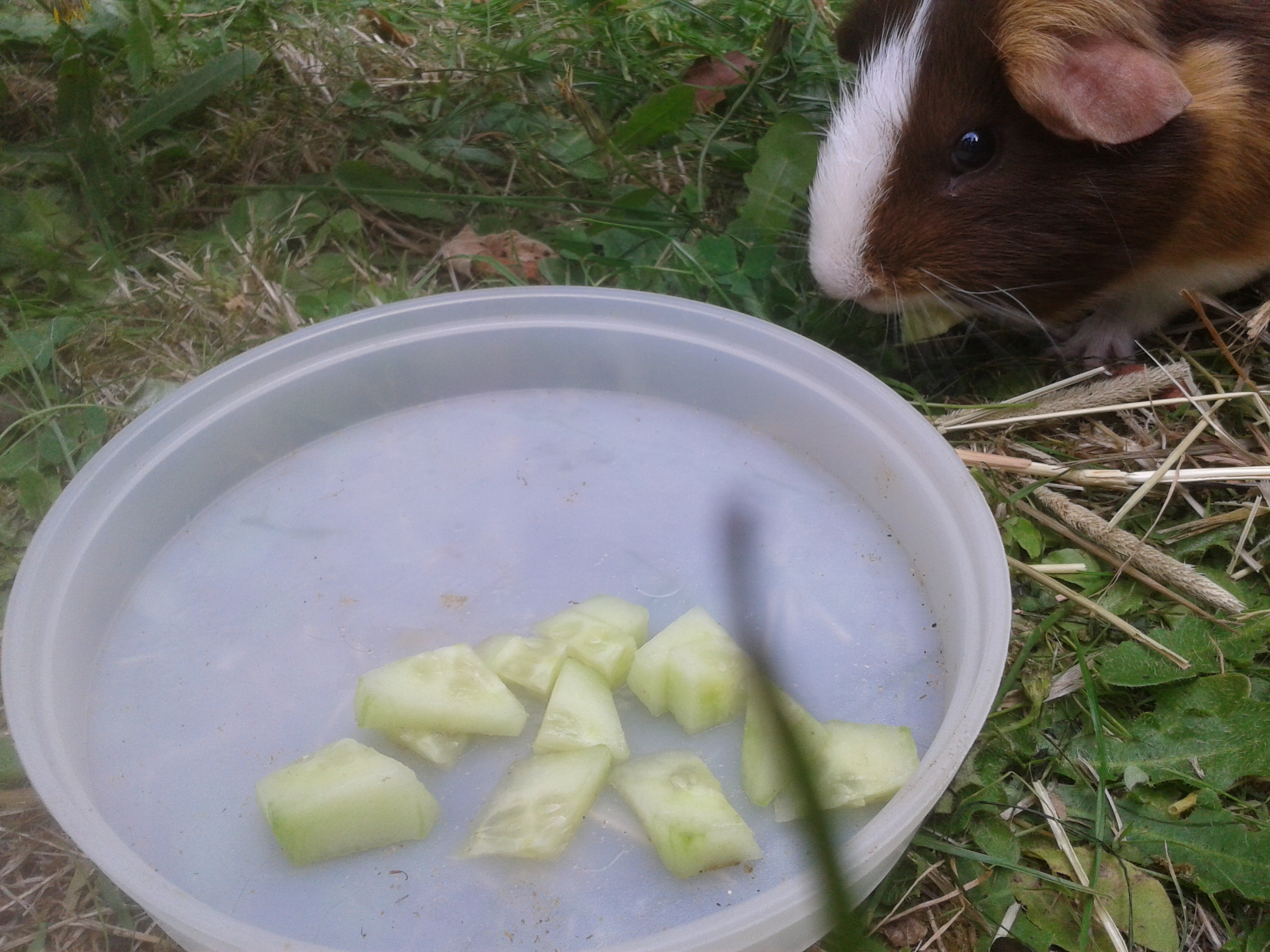
When it comes to selecting the perfect treats for our beloved furry companions, the question “Can guinea pigs eat cucumbers?” often arises. This inquiry not only reflects a practical concern regarding the nutritional needs of these delightful pets, but also reveals a deeper fascination with their dietary preferences and overall well-being. Understanding which foods are safe for guinea pigs is essential for any conscientious owner, as the right diet contributes to their health and happiness. In this article, we will explore the suitability of cucumbers for guinea pigs, dive into the nutritional value of this crisp vegetable, and provide insight into the broader implications of feeding fruit and veggies to these charming rodents.
1. Nutritional Benefits of Cucumbers
Cucumbers, known scientifically as Cucumis sativus, are primarily composed of water, making them an excellent hydrating snack for guinea pigs. With approximately 95% water content, they offer a refreshing option, particularly during warmer months. Beyond hydration, cucumbers possess a variety of nutrients, including vitamins A, C, and K, as well as dietary fiber. These vitamins are crucial for maintaining a guinea pig’s health, promoting robust immune function, and encouraging optimal digestion.
2. Moderation is Key
While cucumbers can be a delightful addition to a guinea pig’s diet, moderation is paramount. Ensure that cucumbers are offered as an occasional treat rather than a staple food. Introducing too many cucumbers can lead to gastrointestinal discomfort because of their diuretic properties. As with any food, it’s essential to observe how your guinea pig responds to cucumbers and adjust their intake accordingly.
3. Preparation and Presentation
When presenting cucumbers to your guinea pig, preparation is crucial. Always wash the cucumber thoroughly to remove pesticides and chemicals. It’s advisable to peel the cucumber to eliminate potential residues, as the skin can be tough and may not be easily digestible. Slice the cucumber into small, manageable pieces so your guinea pig can nibble on it without struggling. Freshness matters; always opt for firm and vibrant cucumbers, avoiding any that appear wilted or discolored.
4. Signs of Enjoyment
Guinea pigs are notorious for being discerning eaters, often displaying distinct preferences. When presented with a cucumber, observe their reaction closely. A positive response includes enthusiastic munching and a curious demeanor. On the contrary, if your pet hesitates or turns away, this indicates that they may not enjoy this vegetable, and it’s wise to offer a different option altogether. Each guinea pig possesses a unique personality, and their food preferences can be just as diverse.
5. Ensuring a Balanced Diet
Cucumbers should be just one component of a guinea pig’s diverse and balanced diet. These charming creatures thrive on a diet rich in hay, supplemented by high-quality pellets specifically formulated for guinea pigs, and an assortment of fresh vegetables. Leafy greens such as romaine lettuce, bell peppers, and carrots should be incorporated regularly to fulfill their nutritional requirements. By offering a variety of foods, you not only cater to their tastes but also ensure they receive all necessary nutrients.
6. Common Alternatives to Cucumbers
In addition to cucumbers, guinea pigs can indulge in a plethora of other vegetables that can serve as great alternatives or complements. Bell peppers, for instance, are not only colorful but also packed with vitamin C, an essential nutrient for guinea pigs that their bodies cannot produce. Zucchini is another hydrating vegetable that can be included in their diet. Experimentation is encouraged; providing different options will help you discover what delights your pet most.
7. Potential Concerns and Precautions
While cucumbers are generally safe, certain precautions should be considered. Avoid feeding any cucumber that appears spoiled or begins to ferment, as this can introduce harmful bacteria into your guinea pig’s system. Additionally, while feeding the seeds found within cucumbers in moderation is typically safe, it’s best to minimize their intake as a precaution. Excessive amounts of seeds may lead to digestive issues.
8. The Broader Dietary Habits of Guinea Pigs
This inquiry about cucumbers leads us to broader phenomena regarding the feeding behaviors of guinea pigs. Their natural foraging instincts favor fresh, varied diets, reminiscent of their ancestors who grazed in the wild. By providing a stimulating and diverse menu, you not only satiate their appetites but also engage their instinctual behaviors. Exploration into different foods can promote mental stimulation, adding a delightful dimension to their everyday life.
In conclusion, cucumbers can indeed be a delightful and hydrating snack for guinea pigs, offered in moderation and prepared safely to suit their preferences. The fascination with what our pets consume goes beyond mere sustenance; it highlights our commitment to their health and happiness. As with any dietary decisions, always prioritize balance and observation, ensuring that your furry friend is not only nourished but also thriving. So next time you marvel at the gentle nibbling of your guinea pig on a cucumber slice, remember it’s not just a treat; it’s a reflection of your dedicated care and attention.








Leave a Comment