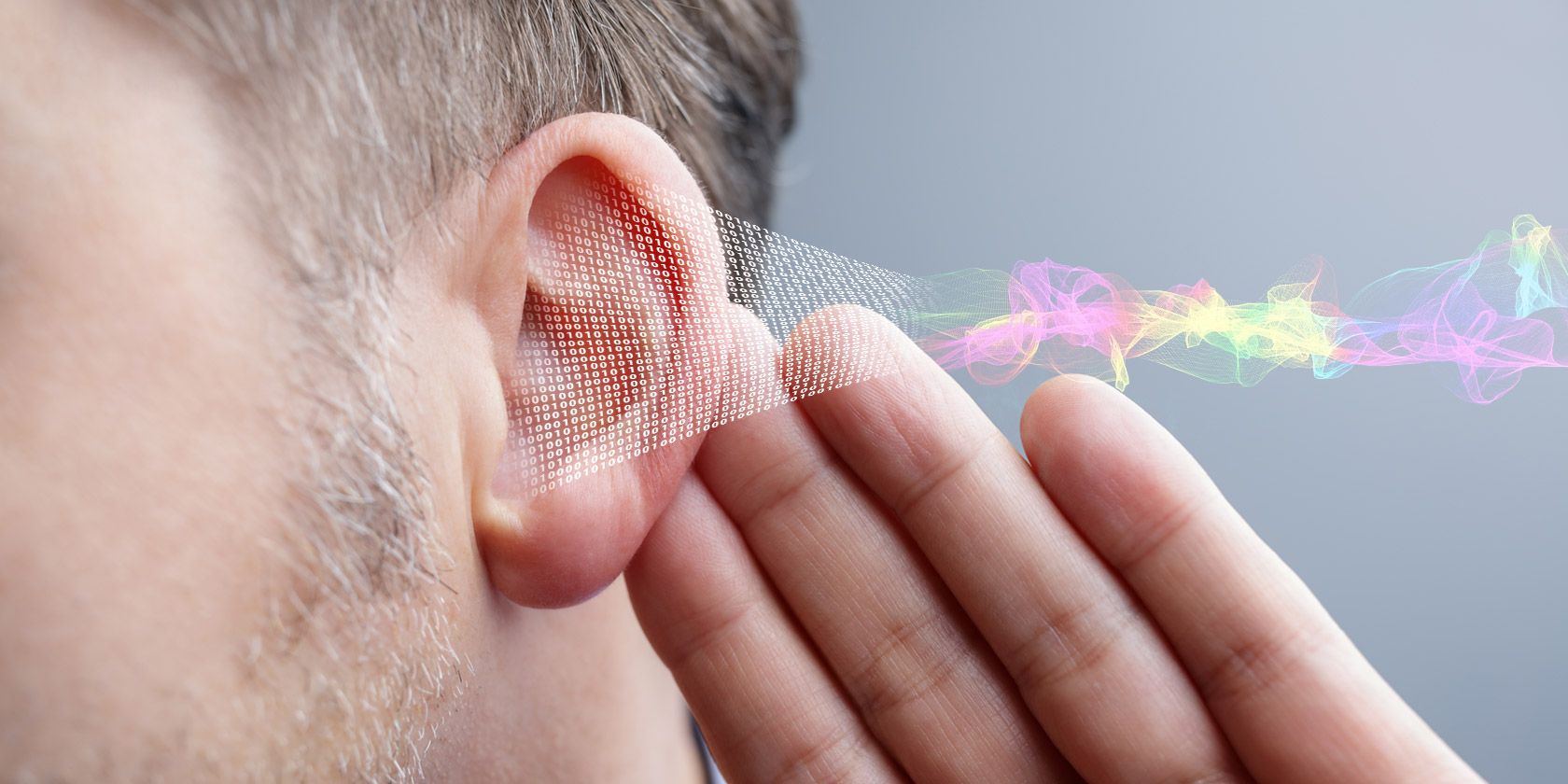
Have you ever experienced that persistent, annoying ringing in your ears, especially when the world around you falls silent? Tinnitus, as it’s called, affects millions and can be maddening. It raises an important question: can hearing aids help alleviate this intrusive sound? While most might think hearing aids are solely for enhancing sound, their potential role in mitigating tinnitus deserves a closer examination.
Before diving into the complexities of this topic, let’s explore what tinnitus is and its common manifestations. Tinnitus is not a condition in itself but rather a symptom arising from various underlying causes, such as exposure to loud noises, age-related hearing loss, or even certain medical conditions. It manifests differently for everyone; some may perceive a high-pitched whistle, while others may hear a low-frequency hum. Regardless of its characteristics, the challenge remains: the sound can be incessant and exhausting.
So, how might hearing aids fit into this? Hearing aids are designed to amplify sounds, which may seem counterintuitive when dealing with a perceived noise like tinnitus. Yet, there’s more to the story. Their primary role is to improve overall hearing quality. When individuals with hearing loss begin using hearing aids, they often experience a reduction in the prominence of tinnitus. The amplified external sounds can help mask the internal sounds of tinnitus, making it less noticeable.
Understanding the relationship between hearing aids and tinnitus requires a closer look at auditory processing. When the brain receives fewer signals due to hearing loss, it can become hyper-sensitive to certain noises, including those associated with tinnitus. Hearing aids can counter this by providing more auditory input, effectively ‘normalizing’ auditory processing. This phenomenon suggests that for people who struggle with both tinnitus and hearing loss, hearing aids can serve a dual purpose: improving communication and lessening the burden of constant ringing.
One of the most effective ways hearing aids assist with tinnitus is through sound therapy. Many modern hearing aids come equipped with features designed specifically for tinnitus management. This may include the playback of soft background sounds—like ocean waves, gentle rain, or white noise—that can mask the ringing. Imagine sitting on a serene beach, listening to the rhythmic sounds of the ocean—it can be a therapeutic escape, providing relief from the pervasive noise experienced in everyday life.
Additionally, some hearing aids use a technique known as “notched noise” therapy. In this method, sounds in frequencies close to where the tinnitus predominantly resides are amplified, while those corresponding to the tinnitus frequency are muted. This creates a strategic auditory environment that can aid in retraining the brain, helping it to focus less on the ringing and more on appropriate hearing stimuli.
However, one should consider that hearing aids aren’t a universal solution for all individuals grappling with tinnitus. Responsiveness varies from person to person. While some may find significant relief, others might experience minimal change. The complexity of tinnitus means its management often requires a multi-faceted approach, including counseling, lifestyle changes, and wellness strategies alongside the use of hearing aids.
Speaking of multi-faceted approaches, integrating technological advances into hearing aids can provide an enriching experience for those living with tinnitus. Some devices now feature smartphone connectivity, allowing tinnitus management apps to be synced directly with the hearing aid. These applications can offer soundscapes that can be tailored to individual preferences, further enhancing the effectiveness of noise masking. It’s a harmonious blend of technology and personal empowerment.
In contrast, not all hearing aids are created equal. When considering hearing aids for tinnitus, users should be guided by a hearing specialist. A comprehensive assessment can ensure optimal selection tailored to one’s specific hearing profile and tinnitus experience. Professional guidance leads to informed decisions, maximizing the benefits derived from these adaptive devices.
Moreover, a cautious approach must always be exercised regarding self-treatment. Many turn to over-the-counter devices or gimmicks promising miraculous cures for tinnitus. Such products often lead to disappointment and worsen the anguish. The path to management should be paved with credible advice from audiologists and medical professionals, ensuring that any intervention is grounded in scientific understanding.
In conclusion, while hearing aids are primarily perceived as devices for enhancing auditory input, their capability to alleviate the distress caused by tinnitus is profound and multifaceted. By amplifying the world around, they can create an auditory balance that diminishes the perception of ringing. However, it’s essential to remember that they are a part of a broader strategy for tinnitus management. Personalized support from auditory professionals, complemented by the latest technology, is the pathway to a quieter, more serene existence. So, if the relentless ringing in your ears has become a familiar companion, perhaps the time has come to explore the symbiotic relationship between hearing aids and tinnitus relief.







Leave a Comment