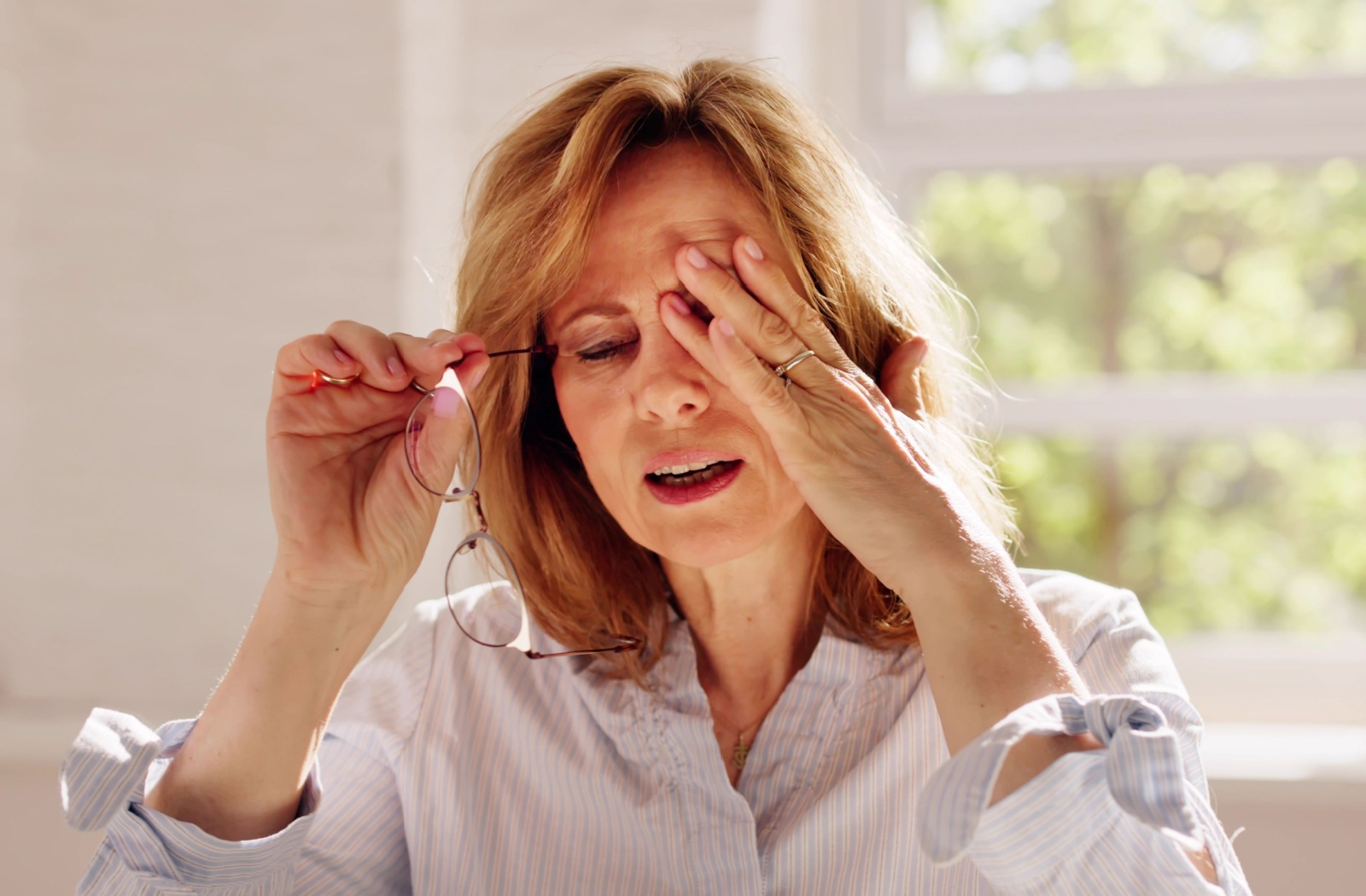
High blood pressure, often referred to as hypertension, is a prevalent health condition that affects millions. Its insidious nature allows it to quietly wreak havoc within the body, often leading to complications that extend beyond mere cardiovascular concerns. One such phenomenon that has piqued the curiosity of many is the occurrence of flashing lights in the eyes, medically known as photopsia. This unsettling visual anomaly raises questions about the interconnectedness of our bodily systems and offers a glimpse into the intricate workings of the human anatomy.
Understanding whether high blood pressure can induce these striking visual manifestations requires delving into the complexities of blood flow, ocular health, and the physiological interplay between the two. High blood pressure can adversely impact various organs, including the eyes, leading to conditions that may precipitate visual disturbances. It is paramount to explore the realms of eye anatomy and function, delving into how elevated blood pressure might affect them.
The Relationship Between Blood Pressure and Vision
At its core, hypertension is characterized by persistently elevated arterial pressure. This condition places an undue strain on blood vessels, leading to potential modifications within the ocular structures. The retina, a thin layer of tissue at the back of the eye, relies on a delicate balance of blood supply for optimal function. When blood pressure is elevated, it can impose a throttled flow of nutrients and oxygen to the retina, compromising its performance and integrity.
Potential Causes of Flashing Lights
Flashing lights or visual disturbances may arise from various ocular conditions, some of which may be linked to hypertension:
- Retinal Detachment: This severe condition occurs when the retina separates from the underlying layer of tissue. Elevated blood pressure can weaken the blood vessels, making them more susceptible to damage. When the retina is disturbed, individuals may experience sudden flashes of light, often described as bright or shimmering.
- Vitreous Detachment: The vitreous humor is a jelly-like substance that fills the eye. As people age, this vitreous can shrink and pull away from the retina, creating a sensation of flashing lights. Though not directly caused by hypertension, it can occur more frequently in individuals with high blood pressure who experience other age-related changes.
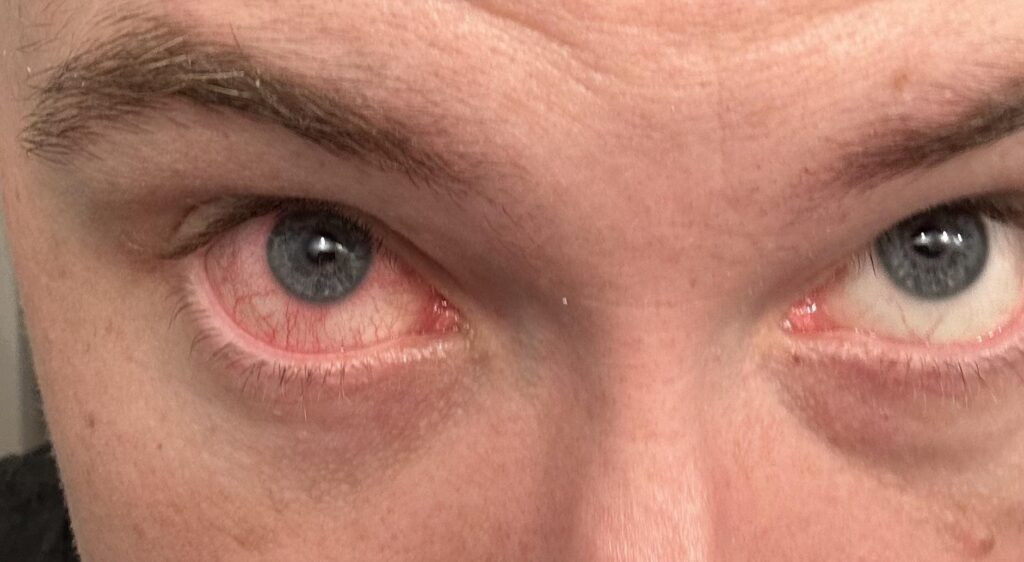
- Hypertensive Retinopathy: This condition specifically affects the retina when blood pressure is consistently high. Damage to the retinal blood vessels may lead to visual anomalies, including flashing lights. The severity of changes may correspond to the duration and degree of hypertension.
- Migraine-Associated Visual Disturbances: Some individuals experience ocular migraines, which can lead to transient visual disturbances, including flashes. While not a direct result of hypertension, the stress associated with uncontrolled blood pressure may trigger such episodes in susceptible individuals.
When to Seek Medical Attention
Recognizing the significance of flashing lights is essential for prompt intervention. While occasional flashes may not be alarming, recurrent or sudden onset should prompt immediate medical attention. Accompanying symptoms such as vision loss, flickering dark spots, or a significant increase in the frequency of flashes merit evaluation by a healthcare professional. These signs might indicate a more serious condition, such as retinal detachment or significant hypertensive damage.
Healthcare providers may conduct a thorough examination of the eyes, often employing advanced imaging techniques, to gauge the extent of any damage and rule out serious conditions. This comprehensive approach not only addresses immediate visual concerns but also provides an opportunity to manage underlying hypertension effectively.
Preventive Measures and Management
Mitigating the risk of high blood pressure-related ocular complications requires a multifaceted approach. Cultivating a healthy lifestyle is paramount:
- Diet: Incorporating a diet rich in fruits, vegetables, whole grains, and lean proteins plays a pivotal role in maintaining healthy blood pressure levels. Foods high in potassium can help counteract sodium’s effects on blood pressure.
- Regular Exercise: Engaging in consistent cardiovascular activities strengthens the heart and improves circulation, helping to keep blood pressure within a normal range.
- Weight Management: Maintaining a healthy weight can significantly reduce the risk of developing hypertension. Excess weight adds strain to the cardiovascular system and diminishes overall health.
- Regular Health Screenings: Frequent monitoring of blood pressure levels allows for early detection and management of hypertension, minimizing its potential impact on the eyes and overall health.
Conclusion
The correlation between high blood pressure and flashing lights in the eyes is a complex interplay of anatomical and physiological factors. While hypertension can contribute to various ocular conditions that result in visual disturbances, recognizing the symptom’s cause and implications is key. Vigilance in maintaining a healthy lifestyle, regular check-ups, and immediate attention to visual changes can empower individuals to mitigate risks and safeguard their ocular health. Ultimately, this knowledge serves as a reminder of the profound connection between our cardiovascular system and our sensory experiences, highlighting the importance of holistic health in our pursuit of wellness.






Leave a Comment