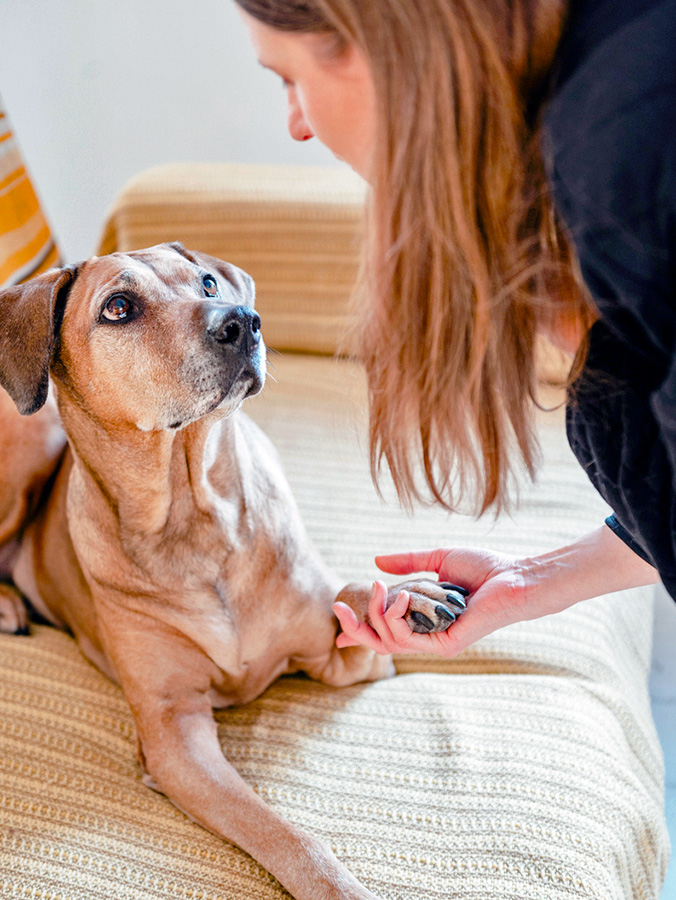
When it comes to the care and wellbeing of our beloved canine companions, curiosity often leads pet owners down intriguing paths of exploration. One such questioning commonly arises: Can I put Vaseline on my dog? The use of petroleum jelly transcends its traditional purpose and enters the realm of pet care, sparking interest and debate among dog owners. Understanding the implications of using Vaseline for a dog requires a thorough examination of its effects on canine health and wellbeing.
Understanding Vaseline: Composition and Purpose
Vaseline, a brand name derived from petroleum jelly, comprises a mixture of mineral oils and waxes. This amalgamation forms a semi-solid substance that possesses remarkable occlusive properties, effectively sealing in moisture and providing a barrier against external irritants. While its primary function is to hydrate dry skin in humans, some pet owners wonder if the same benefits could apply to their furry friends.
Common Uses of Vaseline for Dogs
The fascination with applying Vaseline on dogs often stems from its versatile applications. Here are a few common uses:
- Dry Nose Treatment: Many dog owners notice their pets developing a dry, cracked nose, particularly in harsh weather conditions. Vaseline can offer temporary relief by moisturizing the area.
- Minor Cuts and Scrapes: Its barrier properties may provide a protective coat over minor wounds, potentially shielding them from environmental contaminants.
- Preventative Care: Some pet owners apply Vaseline to their dog’s paw pads before walks on abrasive surfaces or snowy terrains to prevent cracking or damage.
- Ear Protection: In some instances, pet owners have utilized Vaseline to protect the inner ear from water during baths.
Potential Benefits of Vaseline for Dogs
The apparent benefits of using Vaseline can offer short-term relief for several common canine ailments. Firstly, its emollient nature provides excellent hydration for areas affected by dryness, potentially soothing irritations. Furthermore, as a water-resistant barrier, it may minimize moisture loss, which can be particularly advantageous for dogs suffering from severe weather conditions that exacerbate dryness.
Considerations and Cautions
While Vaseline may offer some immediate benefits, caution must be exercised when considering its application on dogs. There are several factors to take into account:
- Ingestion Risks: Dogs are notorious for licking their own bodies, and the application of Vaseline raises concerns about ingestion. While the substance is generally considered non-toxic, it can cause gastrointestinal issues if ingested in large quantities. Symptoms such as diarrhea or vomiting may occur.
- Allergic Reactions: Some dogs may exhibit an adverse reaction to petroleum jelly. Signs of an allergic response include redness, swelling, or itching at the application site. Always monitor your pet closely after applying any new product.
- Not a Substitute for Medical Treatment: Vaseline should not be viewed as a panacea for serious skin conditions. If a dog exhibits persistent dry skin, irritation, or open wounds, consulting with a veterinarian for professional medical advice is essential.
Alternatives to Vaseline
Given the risks associated with using Vaseline, pet owners might consider alternative products specifically formulated for canine use. These products often contain natural ingredients designed to moisturize and protect a dog’s skin safely. Here are some suitable alternatives:
- Pet-Safe Coconut Oil: This natural oil boasts anti-inflammatory and antibacterial properties, making it an excellent choice for dry skin. It can be safely ingested in moderation and applied topically.
- Shea Butter: Known for its exceptional hydrating properties, shea butter can provide nourishing benefits without the risks associated with petroleum-based products.
- Dog-Specific Creams: Numerous brands manufacture creams explicitly designed for canine use. These often contain safe, hypoallergenic ingredients catering to dry skin and other dermatological concerns.
Earning Trust and Building Comfort
Regardless of the product chosen, it is imperative to foster a trusting relationship with your pet. Introducing any new product requires gentleness and patience. Allow your dog to sniff and investigate before applying. Engaging in a comforting routine can help to alleviate any apprehensions surrounding the application process.
Conclusion: A Balanced Approach
The query of whether to put Vaseline on your dog encapsulates a broader dialogue about the intersection of human products and pet care. While there are potential benefits to its use, numerous considerations warrant careful deliberation. As guardians of our four-legged companions, the pursuit of knowledge hinges on striking a balance between curiosity and caution. To ensure the best outcomes for your dog’s health, one must prioritize specialized products and professional guidance. After all, the ultimate goal remains the same: ensuring a happy, healthy life for our beloved pets.










Leave a Comment