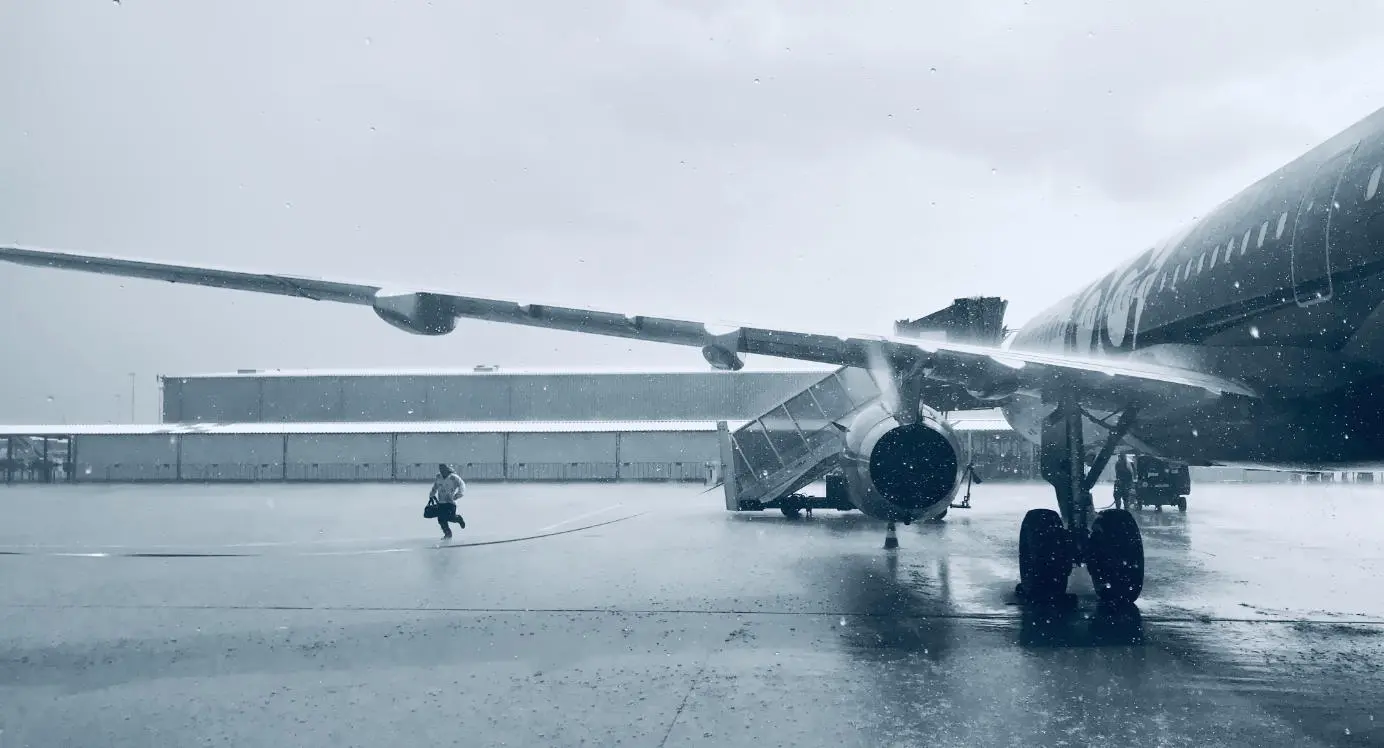
Flying has long been heralded as one of humanity’s most significant technological achievements, ushering in an era where we traverse great distances in mere hours. With this advancement, however, has come a host of questions—one of which remains particularly pertinent: Can planes take off in the rain? This inquiry, while seemingly straightforward, unveils a complex tapestry of aviation safety, meteorological influence, and aircraft engineering. Prepare to fly through a detailed exploration of this enthralling subject, one that promises to transform your understanding of air travel.
1. Understanding the Mechanics of Aviation
To grasp whether planes can take off in the rain, it is essential to unveil the fundamental mechanics of aviation. Airplanes are designed to achieve lift, which occurs when air flows over and beneath the wings, creating a difference in pressure. This intricate balance of physics is resilient, but it is not invulnerable to environmental factors. Rain is just one variable in a plethora of climatic conditions that can influence flight safety.
2. The Role of Rain: A Double-Edged Sword
Rain manifests in several forms—from gentle drizzles to torrential downpours—and each type can affect takeoff in distinct ways. Light rain, for instance, might barely create a disturbance, while heavy rain can impede visibility and elevate the risk of hydroplaning on runways. Hydroplaning occurs when a layer of water prevents direct contact between the tires and the runway, compromising braking efficiency. Thus, while precipitation does not categorically prevent takeoff, it introduces nuanced challenges that must be navigated with expertise.
3. Pilot Training and Decision-Making
Equipped with robust training, pilots are adept at discerning when conditions become perilous. They meticulously evaluate not only the rain’s severity but also external factors such as wind speed and direction, runway conditions, and overall visibility. The pilots’ prerogative, paired with their innate understanding of aviation regulations, determines whether a flight is cleared for takeoff. Consider it akin to a master chef deciding whether to proceed with a delicate soufflé based on fluctuating kitchen conditions.
4. Aircraft Design: Weathering the Storm
Modern aircraft are engineered with advanced technology that profoundly mitigates the impact of rain. Anti-ice systems, water-repellent surfaces, and enhanced drainage designs serve as bulwarks against adverse conditions. This technological prowess enables planes to maintain exceptional performance even amid inclement weather. Ingeniously, manufacturers construct aircraft with parameters that accommodate different weather scenarios, fortifying the plane’s operational safety in both rain and shine.
5. The Influence of Airport Infrastructure
Airports are the nerve centers of aviation, and their infrastructure is purposefully designed to facilitate safe landings and takeoffs irrespective of the weather. Runways are equipped with effective drainage systems to minimize water pooling, alongside markings and lighting that improve visibility in adverse conditions. Despite this sophistication, safety remains paramount; airport authorities continuously assess weather patterns to determine operational viability. During heavy rainfall or storms, flights may be delayed or canceled as precautionary measures.
6. Case Studies in Rainy Takeoffs
Historical data and case studies offer compelling insights into how various airlines and airports have navigated wet weather. For example, in regions where rain is frequent, operational protocols have evolved to enhance safety without sacrificing efficiency. Several airlines boast successful takeoffs in rain, armed with procedures honed through experience and research. These case studies illustrate that while the rain may present an obstacle, it is one that is surmountable with adherence to stringent safety protocols.
7. The Pilot’s Perspective: A Balancing Act
From the cockpit, the pilot’s perspective transforms the abstract into visceral reality. With rain tapped rhythmically against the fuselage, pilots remain vigilant, their instincts honed to navigate the delicate balance of safety and efficiency. Communication with air traffic control becomes vital, as real-time information about weather conditions and runway status yields informed decisions. Pilots are trained to embrace the uncertainty that accompanies inclement weather, transforming potential pitfalls into manageable variables.
8. The Passenger Experience: A Cloud of Calm
For passengers, the experience of rain is often shrouded in trepidation. However, it is crucial to remember that air travel is one of the safest modes of transportation. The sound of rain may evoke anxiety, but behind the scenes, an intricate ballet of mechanics and human expertise unfolds seamlessly. Airlines prioritize passenger safety and comfort, employing rigorous maintenance protocols and ensuring all aircraft are ready to combat the challenges weather presents.
9. Conclusion: Embracing the Elements
Can planes take off in the rain? The answer is a definitive yes, provided the conditions align in favor of safety. Pilots, aircraft design, airport infrastructure, and passenger awareness converge to create an environment where flying, even in the rain, is not only feasible but routine. Next time you find yourself in a downpour before a flight, remember the complex interplay of forces at work, fostering a newfound appreciation for the wonders of aviation. Rain or shine, the skies await, filled with possibilities—because in the world of flight, the journey continues regardless of the weather.










Leave a Comment