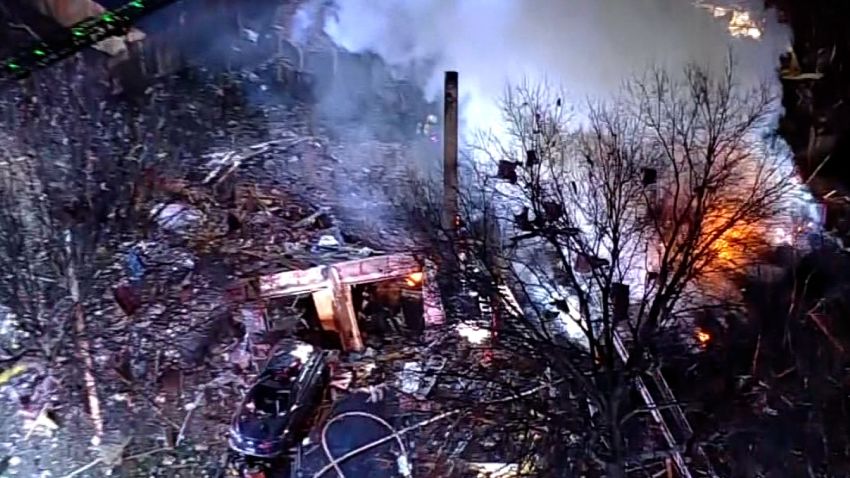
Propane tanks are ubiquitous in many households and businesses, providing a convenient source of fuel for heating, cooking, and even powering equipment. However, the potential hazards associated with these tanks have frequently raised concerns among users and safety experts alike. The question on many minds is: can propane tanks explode? This article delves into the nuances of propane tank safety, exploring the types of tanks, their pressures, the risks they pose, and safety measures that can mitigate potential dangers.
Understanding Propane Tanks
Propane—an odorless, flammable gas—is stored in pressurized containers, commonly referred to as propane tanks. These tanks can be classified into two primary types: portable cylinders and stationary tanks. Portable cylinders, often used for barbeques and campers, typically range from 5 to 20 pounds, while stationary tanks are larger, generally holding hundreds to thousands of gallons and are commonly used in residential and commercial settings.
Each tank is designed to withstand significant pressure. As propane is stored as a liquid, it creates pressure within the tank, which can vary based on temperature. This pressure can reach up to 200 psi, depending on environmental factors. Understanding this pressure dynamics is crucial for grasping the potential risks associated with propane storage.
The Risk of Explosion
The short answer is: yes, propane tanks can explode, but under specific conditions. Unlike a typical explosion as one might envision—an immediate and catastrophic event—propane-related instances often stem from a leak or a malfunction that leads to the accumulation of gas in an enclosed area, where it can ignite.
Common Causes of Propane Tank Explosions
1. Overpressure: If a propane tank is subjected to extreme temperatures or closed systems that don’t release gas, the pressure may exceed the tank’s tolerance. This pressure can result in ruptures or explosions.
2. Leaks: Punctures or failures in the tank’s integrity may lead to gas leaks. If propane accumulates in an enclosed space, it presents a significant explosion hazard upon ignition.
3. Improper handling: Mishandling during refills or transport can result in damage to the tank, increasing vulnerability to leaks.
4. Corrosion: Over time, metal tanks may corrode, weakening their structure and heightening the risk of rupture.
5. Ignition sources: Sparks from electrical appliances, static electricity, or open flames may ignite propane once it escapes, turning a small leak into a major explosion.
Recognizing the Warning Signs
Being able to identify potential warning signs is essential for preventing propane mishaps. The following indicators may suggest a tank is compromised:
- Strong odor: Propane is infused with a distinct odor resembling rotten eggs, which serves as an early warning.
- Hissing sounds: An audible sound around the tank can indicate escaping gas.
- Frost or ice: Significant frost build-up on the tank may signal a leak and pressure issues.
Safety Precautions
Implementing safety measures can significantly reduce the risk of incidents involving propane tanks. Here are several guidelines:
- Regular inspections: Conduct routine checks on the tank for corrosion, leaks, and structural integrity.
- Secure installation: Install tanks in well-ventilated areas and away from sources of ignition.
- Follow guidelines: Adhere strictly to the manufacturer’s recommendations regarding tank usage, transport, and maintenance.
- Emergency plan: Develop and communicate an emergency response plan in case of a propane leak or explosion.
- Educate users: Ensure all individuals who handle propane tanks are trained on safety protocols and emergency responses.
Emergency Response
Preparedness is key in the event of a propane leak or explosion. If a leak is detected, the following steps should be taken immediately:
- Evacuate: Clear the area of all people and pets, moving to a safe distance.
- Avoid ignition sources: Prevent any actions that may ignite the gas, including using electronic devices or lighting a match.
- Call for help: Contact emergency services to address the situation appropriately. Avoid trying to handle the leak yourself unless trained.
- Do not re-enter: Stay clear until professional responders declare the area safe.
Conclusion
While the potential for explosion does exist with propane tanks, understanding the factors that contribute to this danger can promote safety and preparedness. By knowing the warning signs, taking preventive measures, and having a solid emergency response plan in place, individuals and businesses can continue to enjoy the benefits of propane while minimizing associated risks. Awareness and education are pivotal in combating misunderstandings about propane safety. With the proper precautions, the use of propane can be both safe and effective.











Leave a Comment