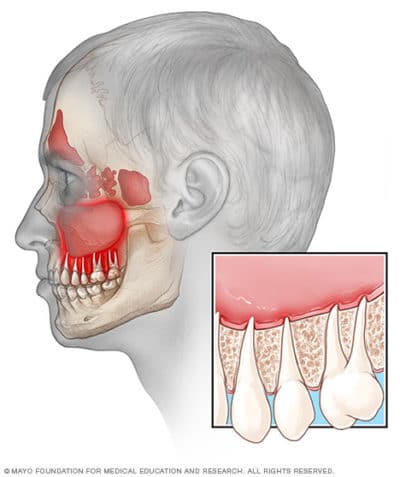
Sinus infections, also known as sinusitis, can wreak havoc on your overall well-being. These infections often present a myriad of symptoms, but one of the more perplexing manifestations is toothache. This connection raises an important question: can a sinus infection truly cause toothaches? In this article, we will delve into the intricate relationship between sinus infections and dental pain, shedding light on the underlying mechanisms and highlighting what individuals should be aware of.
Understanding Sinus Infections
Sinus infections occur when the sinus cavities become inflamed and swollen, typically due to viral or bacterial infections, allergies, or other irritants. The sinuses are hollow spaces located behind the forehead, cheeks, and eyes, which play a crucial role in airflow and drainage. When these passages become obstructed, mucus accumulates, creating an ideal environment for pathogens. Common symptoms of sinusitis include facial pressure, nasal congestion, headache, fatigue, and yes—dental pain.
The Anatomy of the Sinuses and Teeth
To understand the link between sinus infections and toothaches, one must first appreciate the anatomical closeness of the sinuses to the teeth. Specifically, the upper molars and premolars have roots that extend into the maxillary sinuses (the largest of the sinus cavities). This proximity means that inflammation or infection within the sinuses can easily irritate the nerves connected to the upper teeth.
How Sinus Infections Lead to Toothaches
Several factors contribute to the phenomenon where a sinus infection manifests as a painful dental sensation. These include:
- Pressure and Inflammation: The buildup of pressure in the sinus cavity can exert force on nearby dental structures. This pressure can be mistaken for pain originating from the teeth themselves.
- Nerve Irritation: The trigeminal nerve, which is responsible for sensation in the face, branches out to the teeth and may become irritated due to sinus pressure, leading to referred pain.
- Mucosal Swelling: Inflammation in the sinus lining can affect the upper dental roots, causing pain similar to that experienced during dental issues.
- Referred Pain: Pain perception can be complex. Although the source of the pain is sinus-related, the brain may interpret it as originating from the teeth.
Symptoms: Identifying Toothaches from Sinus Issues
Recognizing the signs of a toothache caused by sinusitis is essential for effective treatment:
- Location of Pain: Sinus-related toothache often occurs in the upper jaw, particularly in the molars and premolars.
- Associated Symptoms: Accompanying symptoms might include nasal congestion, facial swelling, and headache. If you experience these symptoms alongside tooth pain, a sinus infection might be the culprit.
- Pattern of Pain: The pain tends to worsen when bending over or lying down, as these positions can increase pressure in the sinuses.
Differentiating Between Sinus-Related Toothaches and Dental Issues
While sinusitis can cause dental pain, it is imperative to distinguish it from actual dental problems such as cavities or gum disease. Key indicators include:
- Duration of Pain: Toothaches from dental issues may persist longer and not improve with decongestants or antihistamines.
- Response to Oral Hygiene: If symptoms diminish after dental care or certain treatments, a dental issue is likely.
- Clinical Examination: A dentist or medical professional can determine the source of the pain through imaging or clinical evaluation.
Treatment Options for Sinus-Related Dental Pain
If you suspect that your toothache is due to a sinus infection, there are several approaches to alleviate discomfort:
- Decongestants: Over-the-counter medications can help clear nasal passages, reducing pressure on the sinuses.
- Steam Inhalation: Inhaling steam can promote sinus drainage, thereby relieving pressure and associated tooth pain.
- Warm Compresses: Applying warmth to the facial area can soothe inflammation and reduce pain.
- Consultation with Healthcare Professional: If symptoms persist or worsen, consulting a healthcare professional is crucial for proper diagnosis and treatment.
Conclusion: Navigating Sinus Infections and Dental Pain
The intricate relationship between sinus infections and toothaches is an intriguing aspect of human health. Understanding the reasons behind a toothache triggered by sinusitis can help individuals manage their symptoms more effectively. By recognizing the signs and addressing the root causes, one can navigate the murky waters of health issues with greater confidence. Always consult with healthcare professionals if you have concerns about dental pain or sinus issues, ensuring that you receive accurate diagnoses and appropriate treatments. Moral of the story: pay close attention to your body, as sometimes a toothache may not just be a dental problem— it might be a symptom of something bigger lurking behind your sinuses.










Leave a Comment