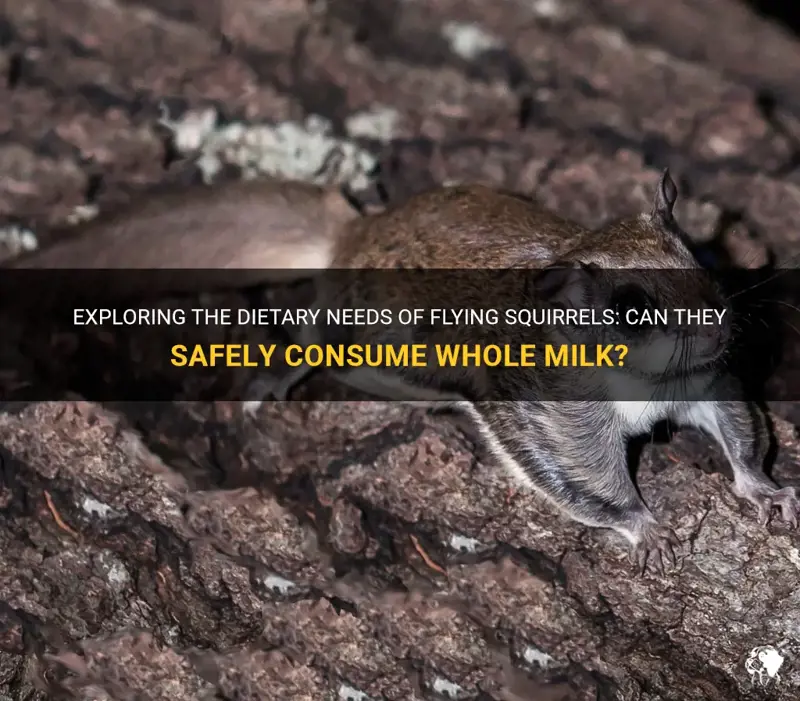
As nature enthusiasts and casual observers of wildlife, many have marveled at the various antics of squirrels—from their acrobatic leaps to their comical behavior while foraging for food. A particularly intriguing observation is whether these nimble creatures can consume milk. While this may seem like a trivial question, it touches upon deeper themes of animal diets, nutrition, and the sometimes whimsical relationship humans have with wildlife.
In this exploration, let us delve into the dietary preferences of squirrels, the complexities of mammalian digestion, and the implications behind offering non-native foods such as milk to these furry foragers.
1. Understanding Squirrels’ Natural Diet
Squirrels are primarily herbivorous creatures, thriving on a diet rich in fruits, nuts, seeds, and occasionally, fungi. Their powerful incisors are perfectly adapted for gnawing through tough shells and hard seeds, allowing them to access the energy-dense nuts hidden within. This natural propensity for plant-based sustenance reveals much about their dietary needs and preferences—roots that run deep within the ecosystems where they reside.
2. The Nutritional Value of Milk
Milk is a nutrient-dense liquid, rich in proteins, vitamins, and minerals, primarily designed to nourish the young of mammalian species. It contains casein and whey proteins, lactose (a sugar), and essential fatty acids. However, not all mammals digest these components equally well, depending fundamentally on their evolutionary adaptations and digestive capabilities.
3. Lactose Intolerance in Squirrels
One critical consideration in answering the question of whether squirrels can have milk revolves around lactose intolerance. Like many adult mammals, squirrels likely lack sufficient levels of lactase, the enzyme responsible for digesting lactose. In the wild, adult mammals typically do not consume milk, as their bodies are designed to wean off their mother’s milk as they grow. This raises a red flag for pet owners or curious individuals considering offering milk to squirrels. Without proper lactase, consuming milk can lead to gastrointestinal distress—an unwelcomed surprise for the curious critter.
4. Observations of Squirrels and Dairy
There are anecdotal observations of squirrels indulging in dairy products found in human refuse. While these instances may seem harmless or even charming, it is essential to recognize that such scenarios are not representative of their natural diets. Instances of squirrels drinking milk from human cups or nibbles of cheese are often anomalies. Such indulgences may not only pose health risks due to lactose intolerance but also lead to nutritional imbalances if dairy becomes a regular part of their diet.
5. Implications of Feeding Squirrels Human Foods
Feeding wildlife can create a complicated relationship between humans and animals. When individuals offer non-natural foods such as milk or processed snacks, they inadvertently alter the animals’ foraging behaviors and dietary habits. Depending on anthropogenic sources of food can lead to nutritional deficiencies, a dependence on human interaction for sustenance, and potential health problems. Furthermore, habituation to human presence can make squirrels bolder and more difficult to manage, which may lead to conflict situations.
6. Wildlife Nutrition Principles
In understanding how to support wildlife nutrition, it is imperative to center the conversation around natural foods that align with their dietary needs. For squirrels, offering a variety of nuts (such as walnuts, hazelnuts, and pecans), seeds (like sunflower seeds), and fruits (such as berries or apples) is far more conducive to their health than any dairy products. This approach not only meets their nutritional needs but also mimics their foraging behavior in the wild.
7. Conclusion: The Enigma of Squirrels and Milk
Can squirrels have milk? The answer is nuanced and reveals much about the intersection of human curiosity and wildlife development. While the sight of a squirrel savoring a taste of milk may delight those who witness it, the broader implications of such feeding habits pose challenges to the well-being of these lively creatures. By understanding their dietary requirements and honoring their natural behaviors, we can cultivate a healthier coexistence with our furry neighbors. In doing so, we embrace a sustainable approach that celebrates biodiversity and the intricate web of life that squirrels help to support within our shared ecosystems.









Leave a Comment