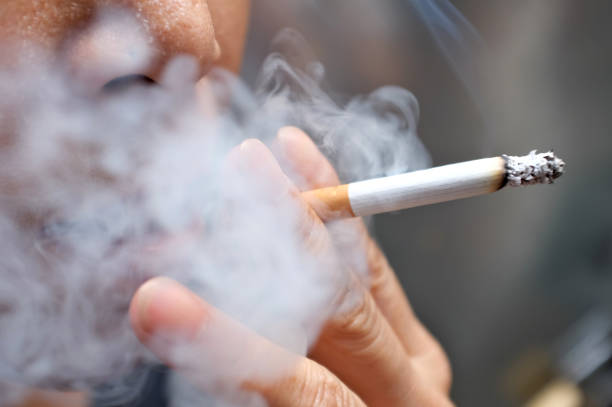
Undergoing a root canal is often enveloped in trepidation, with many patients wondering about the restrictions imposed during the recovery process. Amongst the myriad of post-procedural questions, one that frequently emerges is, “Can you smoke after a root canal?” This seemingly straightforward inquiry unearths a plethora of considerations that extend beyond mere preference. Understanding the implications of smoking post-treatment involves delving into oral health, healing processes, and the broader ramifications on well-being.
What Happens During a Root Canal?
A root canal is a dental procedure designed to salvage a tooth that has become infected or decayed, saving it from extraction. The operative process entails the removal of infected pulp tissue from within the tooth, followed by the meticulous cleaning and sealing of the root canal system. In essence, this procedure acts as a protective intervention, aiming not only to alleviate pain but also to restore functionality. It is essential to recognize that the healing journey following a root canal involves the regenerative capacity of both the tooth and the surrounding gum tissues.
The Healing Process: What to Expect
Post-root canal, your body embarks on a significant healing phase, during which it endeavors to repair and rejuvenate affected tissues. Initial discomfort or sensitivity is commonplace, and the establishment of a proper healing environment is paramount. Factors such as inflammation reduction, infection control, and tissue regeneration take precedence. Understanding this biological process underscores the importance of adhering to post-operative care recommendations, as neglecting them may compromise the intended outcomes of the treatment.
Smoking: An Overview of Impacts
Smoking, a habit ingrained in many societies, poses myriad health risks that extend to oral health. The combustion of tobacco releases a myriad of toxins, which can hamper the body’s innate healing processes. Nicotine, one of the principal components, constricts blood vessels, thereby diminishing blood flow to tissues that require oxygen and nutrients to heal efficiently. This can significantly extend recovery time and may predispose individuals to complications, such as infection or prolonged discomfort.
Why Smoking After a Root Canal can be Detrimental
Considering the delicate nature of recovery post-root canal, several specific reasons elucidate why smoking should be avoided:
- Delayed Healing: The nicotine and other harmful substances found in tobacco can interfere with the healing process. As blood flow is compromised, the capacity for tissues to regenerate diminishes, potentially leading to protracted recovery.
- Increased Risk of Infection: Smoking can introduce bacteria into the mouth, heightening the risk of infections. Following a root canal, the tooth and surrounding areas may be more susceptible, making infections more pernicious and challenging to manage.
- Pain Management Concerns: Patients often rely on over-the-counter pain relievers following a root canal. Smoking has been shown to exacerbate pain sensations, complicating the management of post-operative discomfort.
- Impact on Anesthesia: If you experience complications and require further dental intervention, the lingering effects of nicotine can influence the efficacy of anesthesia, complicating future treatments.
Guidelines for Post-Root Canal Care
To facilitate optimal recovery, adherence to recommended post-operative care is imperative. Here are some guidelines to consider:
- Avoid Smoking: The most prudent advice is to refrain from smoking for at least 48 to 72 hours after the procedure. Ideally, longer cessation would yield even greater benefits to the healing process.
- Hydration is Key: Staying well-hydrated promotes circulation and nourishes the healing tissues. Water is your best friend during this recovery period.
- Follow-Up Appointments: Keep all scheduled follow-up appointments with your dental professional. These visits are essential to monitor the healing process and address any concerns promptly.
- Healthcare Consultation: If you are a habitual smoker, consider seeking guidance for cessation strategies. Your dentist may recommend support systems or resources tailored to your needs.
Beyond the Physical: Psychological Considerations
Interestingly, the decision to smoke or refrain from smoking after a root canal transcends the physical realm, tapping into psychological dimensions. For many, smoking is not merely a habit but a coping mechanism entwined with stress relief or social interaction. Recognizing the psychological impetus behind smoking behavior can serve as a catalyst for a more profound transformation, potentially encouraging patients to confront not only their smoking habits but also their broader health choices.
Conclusion
The question of whether one can smoke after a root canal is more than a simple yes or no; it unravels a complex web of health implications. The endeavor to heal successfully necessitates a comprehensive understanding of how habits, such as smoking, can dramatically impact recovery. By fostering awareness and making informed choices, individuals can optimize their healing processes and invest in a healthier, tooth-preserving future. Ultimately, the road to recovery is paved with thoughtful decisions that reverberate beyond the immediate aftermath of surgery, leading to enduring wellness and vitality.






Leave a Comment