Whiskey, the nectar of the barley gods, has long been celebrated for its rich tapestry of flavors and history. This amber elixir, with its warm embrace and complex aromas, conjures images of rustic distilleries and age-old oak barrels. But just as every good tale has its shadows, a question arises: can whiskey truly go bad? To unravel this mystery, we need to delve deep into the intricacies of its composition, storage, and the passage of time. This article aims to elucidate this conundrum while illuminating the enduring allure of whiskey.
It’s essential to differentiate between bottled whiskey and whiskey that has been opened. A sealed bottle of whiskey is akin to a time capsule, maintaining its integrity for many years, perhaps even decades. The chemical composition of whiskey, characterized by ethanol, congeners, and various flavor compounds, creates a robust environment. In an unopened bottle, the whiskey is shielded from the influences of air and light—two adversaries that could potentially alter its character.
But the moment you uncork that bottle and introduce oxygen into the mix, a transformation occurs. The whiskey, no longer ensconced in its protective shell, begins a slow oxidation process. This is reminiscent of a once-guarded treasure that has finally been revealed, only to face the inevitability of weathering. When oxygen mingles with the whiskey, it can enhance certain aromas and flavors, leading some enthusiasts to revel in the evolution of their spirit. Yet, this transformation comes with a caveat; the passage of time can also dull vibrancy, leaving behind a lackluster shadow of what once was.
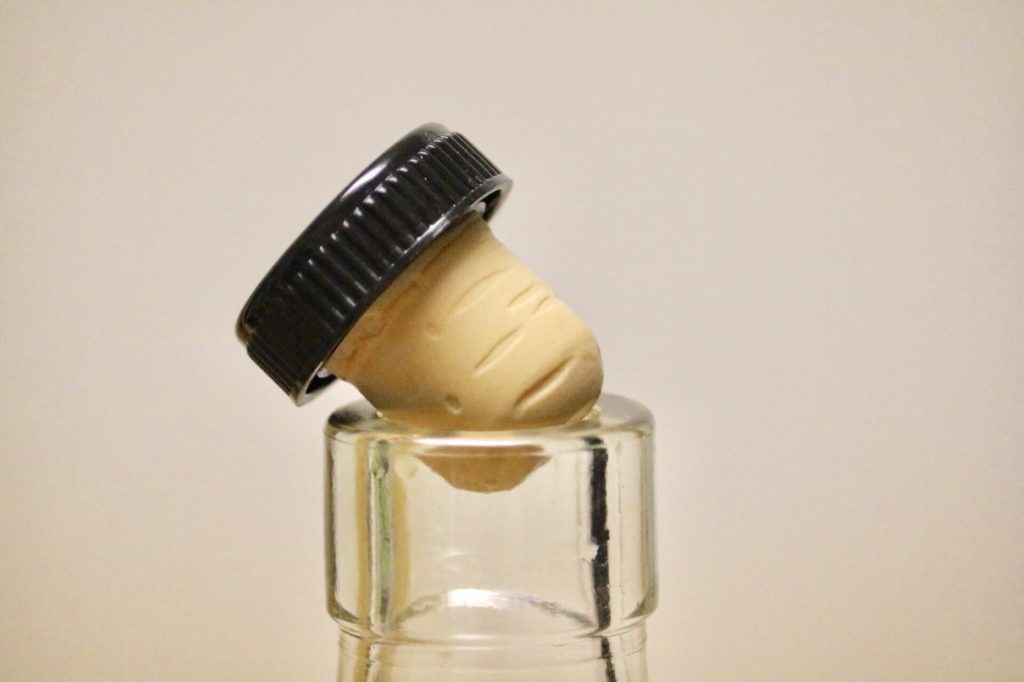
Once opened, whiskey can last for several years, but how long it maintains its integrity largely depends on its exposure to the surrounding elements. Storage is a pivotal consideration—a critical juncture where negligence could unleash disaster. For optimal preservation, the whiskey should be kept upright. Unlike wine, which requires lying down to keep the cork moist, whiskey benefits from a cork that remains untouched by its contents. This simple yet critical stance wards off the ingestion of unwanted off-flavors from a compromised cork.
Temperature and light, too, play an instrumental role in the whiskey’s fate. Extremes in temperature—whether hot or cold—can accelerate the deterioration process significantly. A whiskey bottle stashed in a sunny cupboard may transform from radiant to rancid faster than one kept in a dark, temperate nook. Think of whiskey as a delicate flower; too much sun can scorch its petals while too much cold can stifle growth.
What about flavored whiskeys or those with higher sugar content? These whiskies are somewhat akin to a short-lived firework, dazzling yet ephemeral. They often possess added ingredients that can age differently compared to their pure counterparts. The sugars and additives may also lead to changes in the taste profile over time after being opened. This leads us to wonder—what is the shelf life of the flavors we so cherish?
Beyond simply asking if whiskey can go bad, one must ponder how we define “bad.” A whiskey may not spoil in the traditional sense; it doesn’t become toxic. Instead, it may evolve into something unpalatable or unrecognizable over time. A whiskey that has lost its luster can be seen as a great novel with missing chapters. The story is still there, but its richness has been diluted.
The most distinctive hallmark of poor whiskey is the emergence of an off-putting smell or taste. If your whiskey starts to exhibit a rancid or musty aroma, it may be time to part ways. On the other hand, if it simply tastes flat or lacks the complexity it once had, it’s a reminder that carefully storing spirits is just as crucial as selecting them. One shouldn’t navigate the realm of whiskey without acknowledging the peril of entropy.
So, can whiskey go bad? The answer is nuanced—whiskey can fade and transform, but it does not spoil in the way perishable food does. It retains its essence, albeit in a less vibrant form. Much like the fleeting moments of life, it serves as a reminder that time, while a master of change, has its own pace and trajectory.
In conclusion, whiskey embodies a paradox: it both ages gracefully and succumbs to decline. With its rich history and cultural significance, it’s essential for enthusiasts to understand how to nurture their prized collections. Store them thoughtfully, savour them purposefully, and watch as they unfurl their stories. Whether you’re sharing a glass with friends or contemplating its complexities alone, whiskey invites appreciation on multiple levels. So as you pour your next dram, raise a toast not just to the liquid in your glass, but to the wisdom of understanding its journey through time.







Leave a Comment