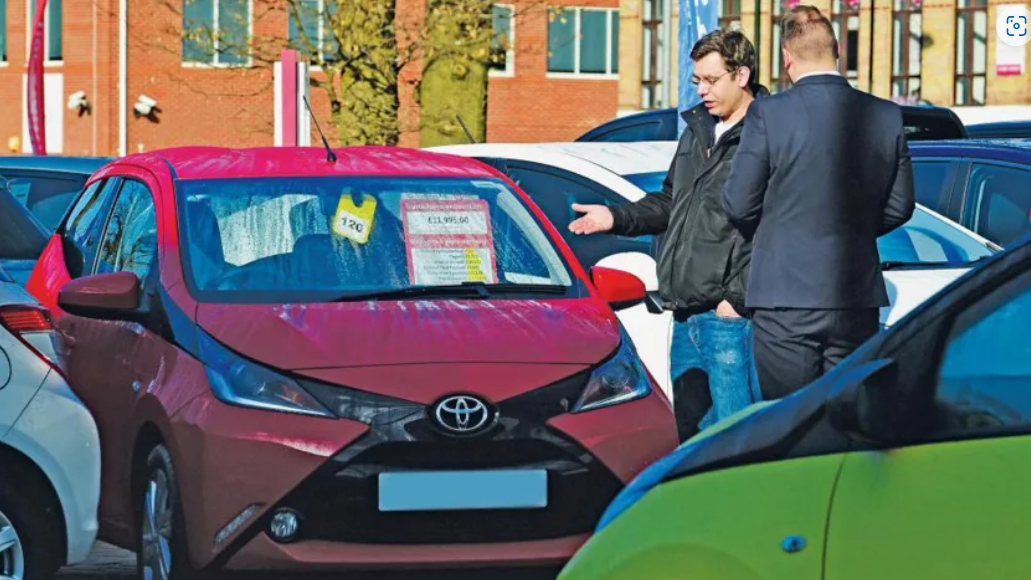
When exploring the world of automobiles, the concept of leasing often conjures images of pristine, brand-new vehicles gracing the showroom floor. However, a question increasingly arises among consumers: Can you lease a second-hand car? This inquiry taps into a broader fascination with the ever-evolving car market, where financial considerations, environmental implications, and personal preferences play pivotal roles in one’s decision-making process. In this exploration, we delve into the intricacies of leasing used vehicles, outlining the benefits, challenges, and essential considerations to navigate this avenue effectively.
First and foremost, understanding the fundamental principles of leasing is important. Unlike traditional financing, where one takes ownership of the vehicle, leasing essentially allows individuals to rent a vehicle for a specified term, often with the option to purchase at the end of the agreement. While new cars dominate the leasing narrative, second-hand cars present a unique alternative that merits consideration for various reasons.
1. Financial Advantages of Leasing Second-Hand Cars
Leasing a used car can be an economical alternative to purchasing a new vehicle outright. Generally, the monthly payments on leased used cars are lower compared to new models. This is primarily due to the reduced depreciation value of used vehicles. In an era where financial prudence is paramount, many consumers are drawn to the idea of driving a more affordable car without the burden of excessive monthly expenses.
2. Varied Vehicle Selection
Leasing a second-hand vehicle expands the available options considerably. Consumers can access a diverse range of makes and models, including those that may have been out of financial reach when new. This broader selection allows for a bespoke experience tailored to individual tastes, needs, and functionalities. Enthusiasts might even find classic models or discontinued editions, adding a unique appeal to their automotive journey.
3. Flexibility in Terms and Conditions
Leasing agreements typically come with flexible terms, accommodating various driving habits and financial scenarios. One can opt for shorter lease durations, allowing for a trial experience with different vehicles over time. This flexibility caters to individuals whose circumstances may change, such as those who move frequently or have fluctuating work requirements.
4. Decreased Insurance Costs
Another financial aspect often overlooked is the potential for lower insurance premiums on leased used cars. Since these vehicles have already depreciated in value, the risk to insurers diminishes. This often translates into reduced insurance costs, allowing consumers to save money and allocate their budget to other automotive expenses.
5. Maintenance and Warranty Considerations
Many leased used cars are still under warranty, providing peace of mind concerning potential repairs. Leasing agreements also often incorporate maintenance packages, covering regular servicing and unexpected repairs, thus minimizing unanticipated expenses. This aspect can be particularly appealing to budget-conscious consumers who want to avoid sudden spikes in operational costs.
6. Environmental Impact and Sustainability
In an age of heightened environmental awareness, leasing a second-hand car can act as a responsible choice. By opting for used vehicles, consumers contribute to the reduction of waste associated with automotive manufacturing, diminishing their carbon footprint. This environmentally conscious decision resonates deeply with those seeking sustainable alternatives in their daily lives.
7. Potential Drawbacks
Nevertheless, while leasing a second-hand car presents numerous advantages, it’s imperative to weigh some potential drawbacks. The condition of the vehicle and its history are paramount. Consumers must be diligent in securing a thorough inspection and ensuring comprehensive documentation, including maintenance records and accident history.
Additionally, mileage restrictions are a common element of leasing agreements, which can pose challenges for those with extensive commuting needs. Exceeding the predetermined mileage limits often incurs substantial fees, negating some of the economic advantages of leasing.
8. How to Lease a Second-Hand Car
Engaging in the process of leasing a used vehicle necessitates a strategic approach. Start by researching available dealerships or leasing companies that are known to offer used vehicles. Utilize online platforms to compare prices and terms, ensuring you create a shortlist of viable options.
Next, fully assess the leasing terms in detail. Look for agreements that are transparent regarding the vehicle’s condition, mileage restrictions, and maintenance requirements. Ensure you understand your obligations and rights during the lease period.
It’s also prudent to conduct a thorough inspection of the vehicle before finalizing any agreement. Consider requesting a mechanic’s evaluation to ascertain the car’s condition and verify any claims made by the dealer. This step can safeguard against future mishaps and unexpected costs.
9. The Future of Leasing Second-Hand Cars
As the automotive landscape continues to evolve, leasing second-hand cars may gain popularity among consumers seeking financial advantages alongside flexibility. Innovations in technology, such as online leasing platforms and enhanced vehicle histories, could further streamline the process, making it more accessible and transparent. Environmental considerations will likely amplify interest in used leases, aligning consumer behavior with evolving societal values.
In summary, the answer to whether one can lease a second-hand car is a resounding yes. This option marries financial prudence with an array of tangible benefits, enabling consumers to explore an expansive vehicle selection while adhering to budgetary constraints. Yet, as with any financial commitment, it necessitates meticulous research and consideration. Navigating the nuances of this option could open doors to automotive experiences that were once perceived as unattainable, reflecting an adventurous yet responsible approach to mobility.









Leave a Comment