Pouring concrete is a critical process that demands careful consideration of various factors, most notably weather conditions. Among these is an ubiquitous query: “Can you pour concrete in the rain?” This question reveals not just practical considerations, but also invites a deeper exploration into the science of concrete and construction practices. Understanding whether to pour concrete in wet conditions requires an appreciation of moisture, curing, and the integrity of the finished structure.
Before delving into the implications of pouring concrete in inclement weather, it is vital to grasp the foundational components of concrete itself. Concrete is a composite material, predominantly made of cement, water, sand, and aggregates. The interaction of these components during the mixing and curing stages is sensitive to environmental factors, particularly water. Thus, it’s crucial that one consider not just the act of pouring but the life cycle of the concrete from placement to curing.
1. The Challenges of Rainy Conditions
Rain introduces excess moisture into the process, which can significantly affect the setting and curing of concrete. The primary concern revolves around the water-cement ratio, a critical parameter that governs strength and durability. A higher water content than necessary can lead to a diluted mixture, compromising the structural integrity of the concrete. This phenomenon can manifest as reduced compressive strength and increased porosity, resulting in a greater susceptibility to damage from freeze-thaw cycles and other environmental stresses.
2. Timing the Pour
If rain is forecast prior to a concrete pour, it is advisable to consider rescheduling, if feasible. However, if the project is of immediate necessity and cannot be delayed, certain precautions must be taken. It is advantageous to monitor the weather closely leading up to the pour. Ideally, one should aim to pour during a light drizzle rather than a torrential downpour. This allows for the placement of concrete while maintaining relative control over the water content.
3. Preparing the Site
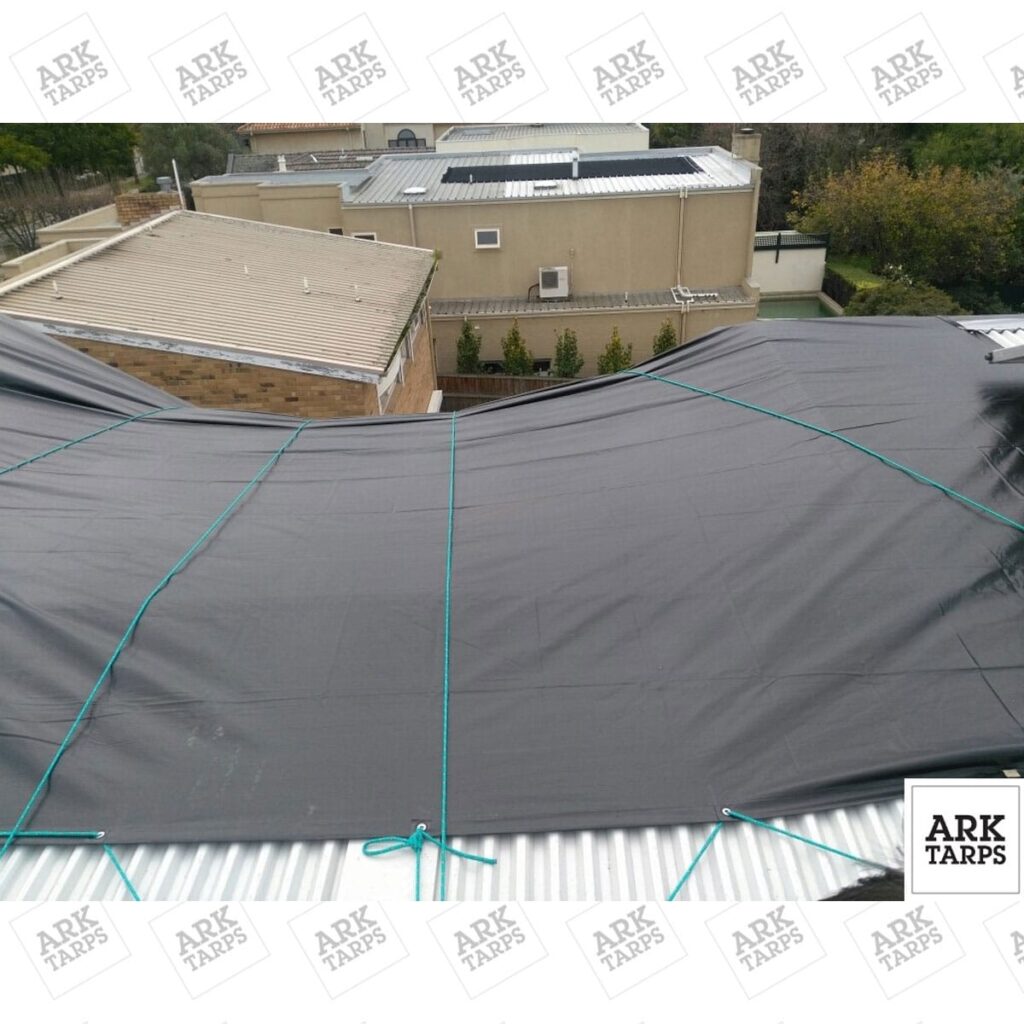
Preparation becomes paramount when planning to pour in rainy conditions. Ensure that the site is well-drained to prevent standing water, which can infiltrate the mix. Utilize tarps and covering materials to shield the concrete from excess rain after pouring. Additionally, creating a slope or utilizing grading techniques can facilitate runoff, minimizing the likelihood of water logging.
4. Curing Considerations
Curing is an intrinsic phase in the concrete life cycle. The primary aim is to maintain adequate moisture content for optimal hydration of the cement. Rain can indeed assist in the curing process by supplying additional moisture; however, excessive rain can lead to haste in this crucial stage. Keeping the poured concrete covered until it reaches an initial set (usually within a few hours post-pour) is a vital step to protect it from undue exposure.
5. Adjusting the Mix
Concrete mixes can be tailored to adapt to adverse weather. One effective method is the incorporation of moisture-retaining agents or admixtures that enhance the workability and curing of the material. Employing these additives allows for a more resilient mix that can better withstand the challenges presented by rainfall, reducing the odds of washout and ensuring a firmer bond during setting.
6. The Risks of Immediate Pouring
As tempting as it may be to proceed with a pour during light rain, the associated risks cannot be overlooked. If rainwater collects on the surface, it can wash away the valuable cement particles at the top layer, leading to a compromised surface finish that may require significant remedial work. Moreover, the possibility of segregation—a separation of the aggregates from the cement paste—can occur, which further undermines the concrete’s overall performance.
7. Alternatives and Solutions
In instances where the wet conditions become untenable, consider alternative solutions. Options such as temporary shelter systems or tenting can provide crucial protection from rainfall. Additionally, postponing the pour might be a worthwhile consideration, as concrete integrity is paramount. Should the project timeline allow for it, waiting for drier conditions can yield a far superior result.
8. Conclusion: Understanding the Implications
The question of pouring concrete in the rain transcends a mere “yes” or “no” answer; it encapsulates the intricate balance between adherence to best practices and the realities of construction schedules. While it is technically possible to pour concrete during light rain with adequate precautions, the benefits of controlling the environment far exceed the potential gains of rushing the process. Ultimately, understanding the science behind concrete and its response to moisture equips one with the knowledge to navigate these challenges successfully. Striving for perfection in concrete placement is not just a matter of technique, but a nuanced dance with nature’s elements, underscoring the marriage of engineering and the environment.










Leave a Comment