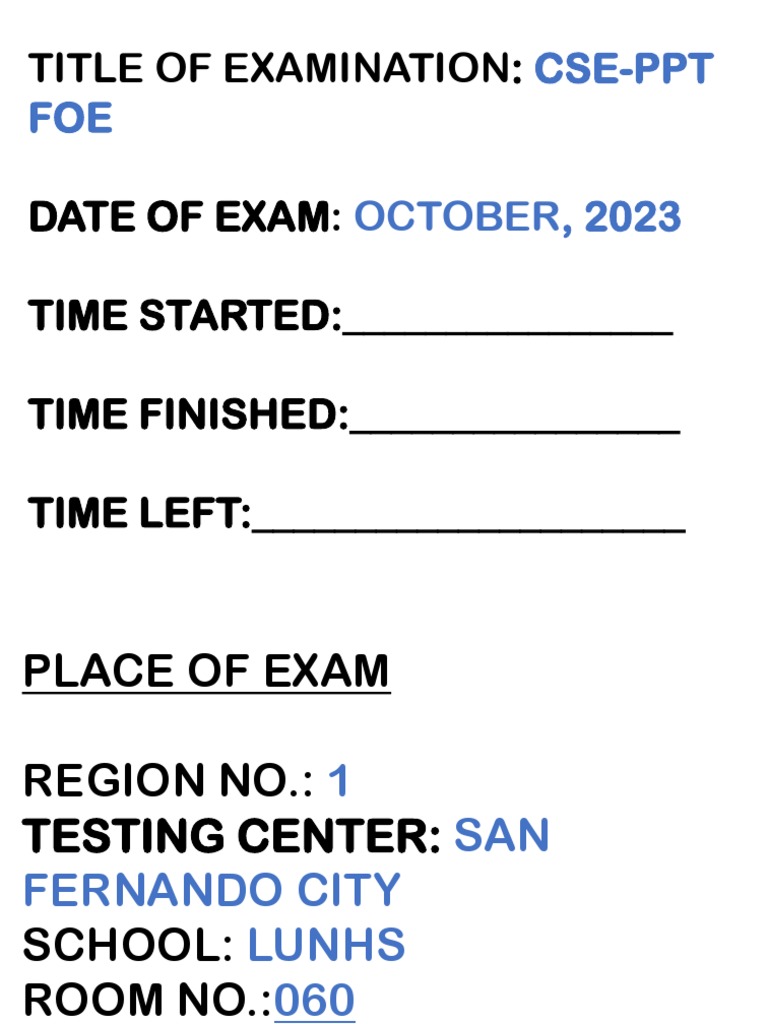
The quest for a stable career often leads individuals down the rigorous path of taking the civil service exam. For many, this exam serves as the gateway to public sector employment, promising a position rooted in stability and community service. However, the road to success is frequently laden with challenges, prompting the question: Can you retake the civil service exam every 30 days? This inquiry not only addresses the logistics of the examination process but also ignites a broader contemplation regarding commitment, improvement, and the nature of failure.
Before delving into the specifics of retaking the civil service exam, let’s first outline what the exam entails. The civil service exam encompasses a variety of subjects, designed to evaluate candidates on their critical thinking skills, problem-solving capabilities, and comprehension of laws and regulations relevant to public service. The examination’s structure varies depending on the position one aspires to achieve; some may contain specialized knowledge assessments, while others are more general.
Understanding the retake policy is crucial. Most civil service commissions have established protocols regarding retaking the exam. Typically, they permit candidates to retake the exam; however, the frequency may vary significantly from one jurisdiction to another. In some locations, retaking the exam every 30 days might be possible, while others could impose stricter regulations, allowing retakes only after a designated period, often spanning months. It’s essential to scrutinize the specific requirements pertaining to your locality to fully grasp your eligibility for re-examination.
As individuals navigate the retake process, they often contemplate the underlying motivations for this decision. A failed attempt can be disheartening, leading to feelings of inadequacy and frustration. However, it’s important to perceive failure not as an endpoint but rather as an opportunity for introspection and growth. Resilience in the face of setbacks fosters a profound understanding of one’s strengths and weaknesses. This journey of self-discovery can significantly enhance preparedness for subsequent attempts.
Moreover, the notion of retaking an exam can introduce several psychological factors into the equation. The anxiety associated with high-stakes testing often plagues candidates, intensifying the pressures they face. The opportunity to retake the exam can alleviate some of this burden; with each attempt, individuals can refine their study habits, seek feedback on previous performances, and ultimately develop a more robust test-taking strategy. Thus, the ability to retake the exam periodically acts as a catalyst for personal development and transformation.
One must also consider the pragmatic aspect of retaking the civil service exam. Frequent retakes can become a double-edged sword. While an expedited schedule permits quicker attempts, it can also lead to insufficient preparation time, resulting in a cycle of inadequate performance. Strategically, one must assess whether the interval of 30 days is genuinely advantageous, or if a more extended preparatory period might yield better outcomes. Balancing ambition with pragmatic scheduling is essential to maximizing each opportunity.
Resources abound for those on the journey toward acing the civil service exam. Various study materials, workshops, and tutoring services are accessible to enhance candidates’ knowledge and test-taking prowess. It is advisable to utilize these resources, especially after receiving feedback on a previous attempt. Seeking assistance from individuals who have successfully navigated this path can offer insights that are invaluable, equipping candidates with the tools necessary to thrive.
Beyond the individual level, the implications of retaking the civil service exam resonate within the broader societal context. The civil service is, at its core, a means to ensure a competent and motivated workforce in public service roles. When candidates are allowed multiple attempts, it fosters inclusivity, allowing diverse individuals the opportunity to enter the workforce. This inclusivity can lead to a more representative public sector that mirrors the demographics and experiences of the community it serves.
However, the potential for abuse of the retake policy cannot be overlooked. Some candidates might view the opportunity to retake the exam as a loophole; rather than taking the necessary time to prepare, they may adopt a haphazard approach, resulting in over-saturation of retake opportunities. Recognizing this, civil service commissions must strike a balance between providing opportunities for improvement and ensuring a standard of competency that upholds the integrity of public service roles.
In conclusion, the question of whether one can retake the civil service exam every 30 days opens a Pandora’s box of considerations, merging personal ambition with systemic implications. While the answer may vary based on local regulations, the broader themes of perseverance, preparation, and societal representation emerge as pivotal threads in this narrative. By shifting the perspective on failure and embracing the possibility of retakes, individuals may find themselves not only well-prepared for the exam but also emboldened in their pursuit of a fulfilling career in public service. Ultimately, the examination process represents much more than a test; it symbolizes a commitment to personal and professional growth, serving as a testament to the tenacity of the human spirit in the face of adversity.











Leave a Comment