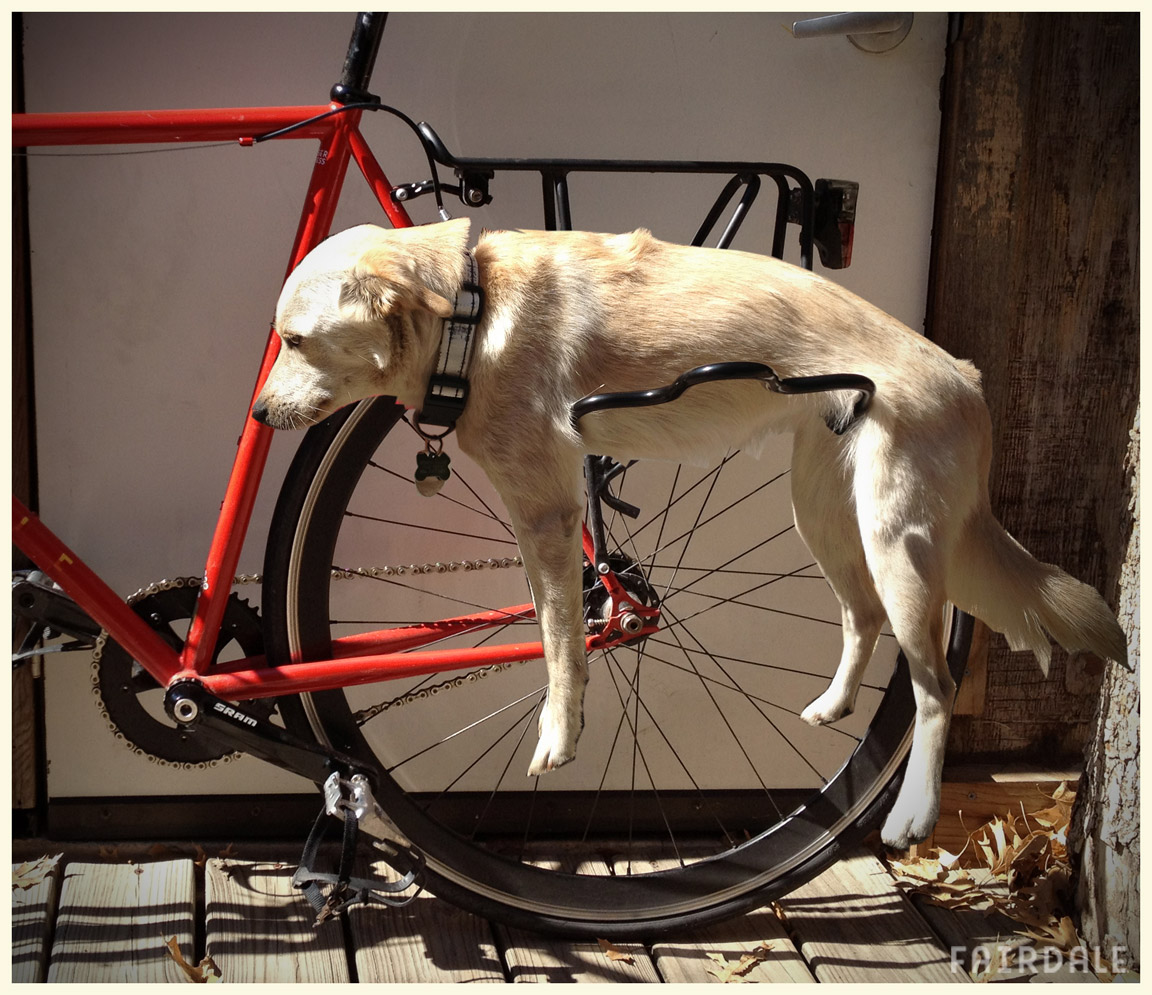
Embarking on a bicycle ride with your canine companion can provoke a unique sense of adventure, seamlessly blending the joy of cycling with the camaraderie of your four-legged friend. This guide delves into various considerations, tools, and best practices for effectively carrying your dog while cycling, ensuring a safe, enjoyable experience for both of you.
1. Evaluating Your Dog’s Temperament and Health
Before setting out, it’s essential to assess your dog’s temperament and overall health. Dogs that are anxious or overly excitable may struggle to maintain composure during a bike ride. Additionally, consider pre-existing health conditions. Older dogs or those with joint issues may find it uncomfortable to ride at higher speeds. Always consult a veterinarian to determine if your dog is fit for such activities.
2. Choosing the Right Mode of Transportation
There are multiple avenues for transporting your dog on a bicycle, each with its own set of advantages and disadvantages:
- Bike Baskets: Ideal for smaller breeds, a sturdy basket mounted to the front or rear of your bike allows your dog to enjoy the view without straining your arms. Ensure the basket is securely fastened and has adequate ventilation.
- Dog Trailers: For those with medium to large dogs, a dog trailer offers an enclosed, secure traveling environment. These trailers can be attached seamlessly to your bicycle’s rear and often include safety features, such as adjustable harnesses.
- Dog Slings or Backpacks: These are suitable for small dogs and can be worn like a backpack. They keep your pet close to you, fostering bonding and easy handling. Make sure the sling offers ergonomic support and does not impede your riding balance.
- Bicycle Leashes: If your dog prefers to run alongside you, a specialized bicycle leash can attach to your bike, ensuring your dog stays safe while maintaining a comfortable distance. These often feature a spring-loaded mechanism to absorb shocks.
3. Proper Safety Gear
The significance of safety gear cannot be overstated. A well-fitted dog harness is crucial, as it provides both comfort and security, preventing your dog from jumping out of the transport mechanism. Consider reflective vests if riding in low light, enhancing visibility. Additionally, ensure your dog is wearing an identification tag in case of separation.
4. Training Your Dog for Bicycle Rides
Before hitting the road, invest the time in training your dog to acclimate to the bicycle. Start by introducing your dog to the bike while it’s stationary. Reward calm behavior with treats. Gradually progress to short, slow rides, reinforcing positive behavior with praise. Aural signals can help your dog understand when to speed up, slow down, or stop, creating a harmonious riding experience.
5. Selecting Optimal Riding Routes
Not every trail is suitable for cycling with a dog. Look for routes that offer ample space for your dog to lie down or stretch without hindering your cycling path. Consider bike paths in parks or less trafficked areas. Always remain vigilant for potential hazards, such as uneven terrain and busy intersections. Choose paved paths or well-maintained gravel roads to optimize both comfort and safety.
6. Understanding Weather Conditions
Weather plays a pivotal role in the comfort of both you and your dog. Extremely hot days can lead to overheating, especially for breeds with thick fur. On such days, consider riding early in the morning or later in the evening when temperatures are cooler. Conversely, chilly weather may warrant a doggy jacket to keep your pet warm. Always carry portable water to keep your dog hydrated.
7. Recognizing Signs of Discomfort
While on your ride, it’s vital to recognize when your dog may be uncomfortable or in distress. Look for signs including excessive panting, reluctance to continue, or refusal to drink water. If your dog displays any of these symptoms, take an immediate break, providing ample opportunities for rest and hydration.
8. Post-Ride Care
After your cycling adventure, don’t overlook post-ride care. Check your dog’s paws for any injuries caused by rough terrain and examine their body for ticks or irritations. A warm bath can help wash off dirt and debris, while routine grooming keeps their coat healthy. Lastly, reward your pup with a favorite treat, reinforcing the positive feelings associated with biking together.
9. Building Up to Longer Rides
Just like humans, dogs need to build stamina and adjust to longer bike rides. Start small, gradually increasing the distance as your dog becomes more comfortable. This approach not only enhances your dog’s fitness level but also strengthens the bond between you both during these shared experiences.
Carrying your dog on a bicycle can pave the way for memorable adventures and quality bonding time. By considering your dog’s safety, comfort, and training needs, you can create a delightful outing that you both cherish. So gear up, take to the trails, and enjoy the remarkable journeys that await you and your canine counterpart.








Leave a Comment