Have you ever paused mid-bite, suddenly aware of a faint twinge radiating from your back teeth? Could it be a cavity sneaking up on you, concealed in the crevices of your molars? The unsuspecting cavity straddles an array of dental dilemmas, often lying dormant until it becomes an urgent concern, escaping our attention until it’s too late. This article delves into the intricate world of cavities, particularly those that develop in the often-overlooked spaces between the back teeth, known as the molars. We will explore their formation, implications, preventive measures, and when to seek professional intervention.
The Anatomy of Cavities
Cavities, scientifically termed dental caries, are the result of a multifactorial process. The battle begins when sugars and carbohydrates from food interact with the natural bacteria residing in the mouth. This synergy begets acid, which progressively erodes the enamel—the formidable shield of your teeth. Once the enamel is compromised, the softer dentin layer beneath becomes vulnerable, paving the way for decay.
Notably, the posterior teeth, especially the molars and premolars, are particularly susceptible to cavities. Their complex structure, featuring deep grooves and pits, creates ideal hiding places for food particles and bacteria. As food particles accumulate in these fissures, they form plaque, which eventually hardens into tartar if not meticulously removed through regular brushing and flossing.
Understanding the Risks
What poses a greater risk than merely indulging in sweets? The neglect of oral hygiene practices. Many individuals overlook the back teeth during their dental care routine, often focusing on the more visible anterior teeth. This lack of attention can lead to untreated cavities, escalating into more severe dental issues such as infections or abscesses. The challenge lies in the fact that these issues may not manifest until substantial damage has occurred, demanding immediate intervention.
Additionally, certain lifestyle choices can heighten vulnerability to cavities. A diet high in sugars and starches, irregular dental check-ups, and inadequate brushing techniques contribute to the unrelenting cycle of decay. Medications that reduce saliva production can further exacerbate the problem, as saliva plays an essential role in neutralizing acids and remineralizing enamel.
Signs and Symptoms
Typically stealthy, cavities can remain asymptomatic for extended periods. However, some signs may signal their presence. Watch for:
- Tooth Sensitivity: A sudden sensitivity to hot, cold, or sweet stimuli can indicate decay beneath the surface.
- Pain or Discomfort: Persistent pain radiating from a specific tooth, especially during chewing, is a telltale sign of a developing cavity.
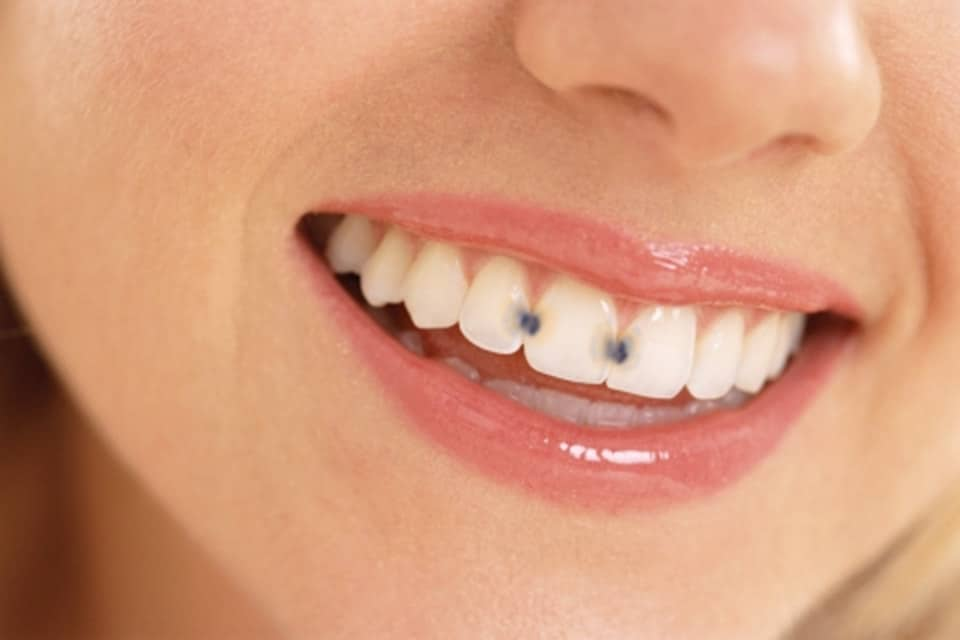
- Visible Holes or Pits: An obvious visible defect, like a hole or pit in a tooth, necessitates immediate attention.
- Bad Breath: Chronic halitosis, despite good hygiene, can suggest the presence of decay.
In their nascent stages, cavities can be mitigated with appropriate preventive measures, but once they lead to discomfort, treatment becomes essential.
Preventive Strategies
So, how can one effectively ward off the insidious advance of cavities, especially between the back teeth? Here are several strategies:
- Electric Toothbrush: Investing in an electric toothbrush can enhance cleaning efficacy, particularly in hard-to-reach areas.
- Fluoride Use: Regular use of fluoride toothpaste or mouth rinses can fortify tooth enamel and deter decay.
- Regular Flossing: Ensure that flossing becomes a daily ritual, addressing the often-neglected spaces between teeth.
- Dietary Adjustments: Limit sugary snacks and beverages; incorporate crunchy fruits and vegetables that naturally clean teeth.
- Dental Visits: Schedule biannual visits to the dentist for professional cleanings and early cavity detection.
Understanding the anatomical intricacies of your mouth and the dynamics of cavity formation empowers you to make informed choices regarding oral health. The prevention of cavities between the back teeth isn’t merely a personal endeavor; it’s a commitment towards sustaining overall wellness.
Treatment Options
If the ominous shadow of a cavity has already darkened your dental landscape, various treatment avenues lie ahead:
- Fillings: The most common remedy, where the decayed material is removed and replaced with composite resin or amalgam.
- Crowns: For more extensive decay, a crown may be placed to restore function and appearance.
- Root Canals: In severe cases where the pulp becomes infected, root canal therapy is essential to save the tooth and alleviate discomfort.
Conclusion
In conclusion, the cavity lurking between your back teeth may seem innocuous, yet it holds the potential to unleash considerable dental woes. Through enhanced awareness and proactive measures, one can tread confidently toward an oral health regimen designed to thwart decay. Err on the side of caution—treat every twinge with diligence. After all, captivating smiles are crafted with care and a smattering of good fortune. Will you be diligent in your oral health practices to ensure a cavity doesn’t take hold to become an unwelcome intruder in your dental landscape?











Leave a Comment