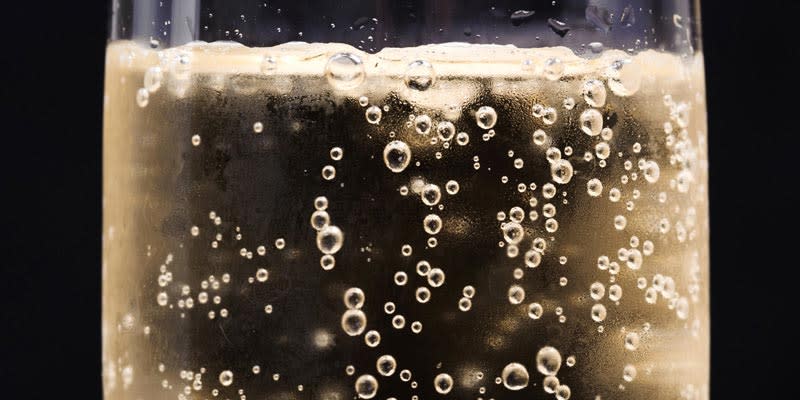
In the shimmering world of beverages, few elixirs evoke the spirit of celebration and sophistication quite like champagne. Often referred to as the “nectar of the gods,” this effervescent wonder encapsulates a unique blend of tradition, craftsmanship, and luxury, all while boasting a fascinating content profile of alcohol that deserves exploration. With its golden effulgence and delicate bubbles dancing in a crystal flute, champagne is more than just a drink; it is an experience steeped in culture and exuberance.
Understanding Champagne: The Quintessential Sparkler
Champagne is a sparkling wine produced specifically in the Champagne region of France, renowned for its unique terroir that imparts a distinctive character. The primary grapes used in its production—Chardonnay, Pinot Noir, and Pinot Meunier—contribute unique flavors and aromas that evolve throughout the fermentation process. Naturally, the discussion of any champagne inevitably leads to its alcohol content, which is generally around 12% by volume, an intoxicating balance that provides both warmth and vivacity without overwhelming the senses.
The Alchemy of Fermentation: Crafting the Essence
To comprehend the alcohol content in champagne is to appreciate the meticulous artistry of winemaking. Fermentation transforms grape juice into wine, a process akin to an alchemical experiment where yeast consumes sugars and creates alcohol as a byproduct. In the case of champagne, this process is ingeniously doubled; a primary fermentation yields still wine, which is then transformed into sparkling wine through a secondary fermentation that occurs in the bottle. This secondary fermentation introduces natural carbonation, a hallmark of champagne, illustrating how science and craftsmanship intertwine in an enthralling dance.
The Unique Appeal: More Than a Simple Beverage
Champagne captivates not only through its flavor profiles but also in the unique experiences it engenders. Each sip transports the imbiber into realms of celebration—birthdays, weddings, commemorations of milestones—evoking a sense of jubilation that is almost palpable. The effervescence acts as an effulgent mirror, reflecting joy and exaltation. The bubbles that cascade gracefully in a glass bring a tactile sensation, reminiscent of the sparkling stars on a clear night, making each encounter with champagne an enchanting affair.
A Symphony of Flavors: Exploration of Cuvées
Delving deeper into the shimmering world of champagne reveals a kaleidoscope of flavors. Cuvées, or blends, vary significantly depending on the winemaker’s intentions and the grapes utilized. A blanc de blancs, crafted solely from Chardonnay, offers floral and citrus notes, while a blend of the three main varietals creates a fuller-bodied experience, tantalizing the palate with rich stone fruit flavors and hints of brioche. The nuanced profiles provide a multitude of aromas and flavors, each bottle encapsulating a distinct story woven from the very soil of Champagne. The discernment of these flavors speaks to the connoisseur’s ear, beckoning a deeper engagement with each toast.
The Role of Dosage: The Finishing Touch
The final flourish in the creation of champagne comes with the addition of dosage, a calculated blend of sugar and wine added during the corking process. This artful choice creates a spectrum of sweetness levels from brut nature to doux. The balance of sweetness against acidity is akin to a graceful ballet, where sugar enhances the fruitiness without overshadowing the wine’s inherent character. This delicate interplay is crucial; it crafts the sensation that lingers on the palate long after the last bubble has vanished.
The Etiquette of Enjoyment: Savoring Every Sip
Properly enjoying champagne extends beyond merely pouring it into a glass. The ritual involves selecting the right vessel; flutes or tulip-shaped glasses are preferred, as they preserve the effervescence and direct aromas towards the nose. Chill the bottle to the ideal temperature—around 45-55°F—to enhance its crispness. As the cork pops, releasing a cascade of bubbles, invite the sensory experience to unfurl, taking a moment to absorb the aromas before indulging in each luxurious sip. This etiquette underscores the reverence for this exquisite sparkling drink; it is not merely consumed—it is celebrated.
Champagne and Culinary Pairings: A Gastronomic Journey
As versatile as it is enchanting, champagne melds seamlessly with a variety of cuisines. Its effervescence can cut through the richness of creamy dishes, elevate the subtle flavors of seafood, or enhance the savory notes of charcuterie. Pairing champagne with food transforms dining into an operatic symphony, elevating each note sung by both the dish and the drink to new heights. A lively brut’s acidity complements a buttery lobster, while a lush rosé harmonizes beautifully with rich duck dishes, weaving a gastronomic tapestry that celebrates both culinary artistry and fermentation mastery.
Conclusion: A Toast to Tradition and Innovation
Champagne, with its effervescent spirit and medieval roots, stands as a testament to human creativity and tradition. Its unique alcohol content, derived from age-old fermentation processes and innovative winemaking techniques, transforms it into a symbol of celebration across cultures. Every sip delivers not just flavor but joy, marking moments both grand and intimate with the promise of elegance and delight. So, with every pop of a cork, let us raise our glasses to the timeless charm of champagne—an alchemical marvel that encapsulates the very essence of festivity.







Leave a Comment