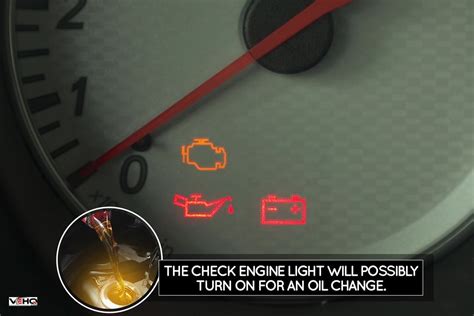
Many drivers experience the perplexing sensation of dread when their car’s check engine light illuminates immediately after an oil change. This phenomenon often raises eyebrows and ignites curiosity, as one might wonder how such a routine maintenance activity could trigger an unsettling alert. What lies beneath the surface of this seemingly innocuous occurrence? Let us delve into the intricate world of the check engine light, especially in relation to oil changes, unraveling the underlying reasons and implications of this common automotive predicament.
1. Understanding the Check Engine Light
The check engine light, often portrayed as an ominous beacon on the dashboard, serves as an alert system for your vehicle’s onboard diagnostics. This light activates when the engine control unit (ECU), which monitors the engine and other critical components, detects an anomaly. It alerts drivers to a variety of potential issues—from minor glitches to significant mechanical failures. When this light appears unexpectedly post-oil change, it can leave car owners in a state of bewilderment.
2. The Oil Change Process
An oil change is touted as one of the most essential maintenance tasks for any vehicle. During this process, old oil is drained, and new oil is added to lubricate the engine. However, the act of changing oil involves several components, including the oil filter, oil pump, and seals. Each of these parts must be handled with care; improper handling can lead to complications. Even the most skilled mechanics can inadvertently create a situation where the check engine light could flicker to life post-service.
3. Common Causes for Activation Post-Oil Change
- Loose or Damaged Oil Cap: One of the most frequent culprits is a loose or improperly installed oil filler cap. This cap is crucial for maintaining the integrity of the oil system. If it is left loose, an oil vapor leak may occur, prompting the ECU to trigger the check engine light.
- Oil Pressure Sensor Malfunction: During an oil change, the oil pressure sensor can be inadvertently disturbed. If this sensor fails or if there is an issue with the oil pressure following an oil change, the ECU may detect irregularities, leading to illumination of the check engine light.
- Sensor Faults: Modern vehicles are equipped with numerous sensors. An oil change can sometimes disrupt connections or cause sensor failures, resulting in erroneous readings and the subsequent activation of warning lights.
- Oil Contamination: If the right oil is not used or the oil is contaminated during the change, it can cause operational issues. Subpar oil quality can lead to increased friction and overheating, prompting the check engine light to illuminate.
- Electrical Issues: The act of servicing a vehicle can sometimes inadvertently disturb electrical connections. This can lead to dislodged wires or faulty connections, causing the check engine light to engage.
4. The Importance of Diagnostic Codes
When the check engine light appears, it is paramount to diagnostic tools to read the error codes stored within the ECU. Each of these codes provides critical insight into the potential issues at hand. Using an OBD-II scanner, which is readily available to both professionals and motivated DIY enthusiasts alike, can assist in pinpointing the specific malfunctions. It’s essential to address these codes quickly, as neglecting them may lead to deteriorating engine performance or even severe mechanical failure over time.
5. Addressing the Issue
If the check engine light emerges after an oil change, the first step is to check the oil cap for tightness. If it’s secure, assess the oil levels and examine the surroundings for leaks. Should you identify any irregularities or persisting concerns, seek a professional mechanic’s diagnosis to investigate deeper into potential sensor issues or electrical problems. Ignoring the light may cause compounded problems needing costly repairs.
6. Preventative Measures
Taking preemptive action can diminish the chances of encountering a check engine light post-oil change. Adopt a few practices: ensure that the mechanics handling your oil change are competent and reputable, as skilled technologists are better equipped to avoid and address any anomalies. Regularly monitor the dashboard warning lights and perform timely diagnostic scans—keeping proactive vigilance can enhance longevity and efficiency. Additionally, ensuring that you use high-quality oil and filters can mitigate complications associated with substandard performance.
Conclusion
The appearance of a check engine light shortly after an oil change serves as a significant reminder of the intricacies of automotive care. Though perplexing, understanding the multifaceted reasons behind this occurrence empowers car owners to take informed action. By adopting preventative measures and maintaining a keen observatory approach to your vehicle’s performance, you can navigate the complexities of automotive uncertainties with greater confidence. After all, each mechanical conundrum holds a story, revealing the interplay of human action and machine intricacies on the open road.








Leave a Comment