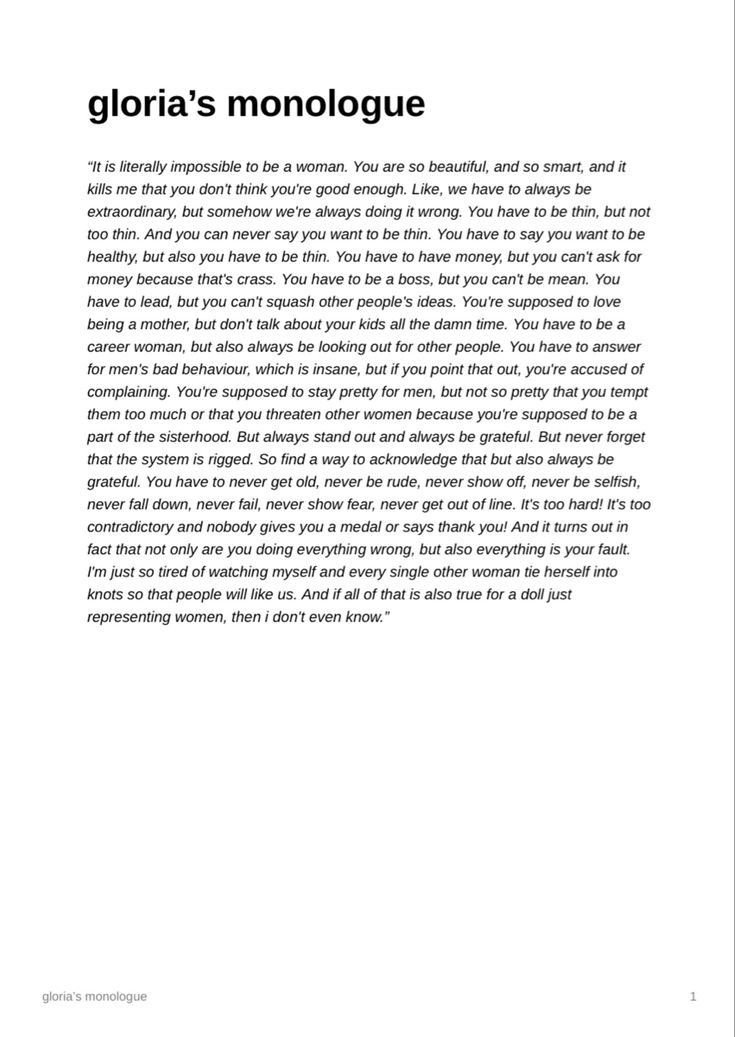
In the vibrant landscape of comedy, monologues serve as a distinctive form of self-expression, particularly for women who navigate a world often skewed by patriarchal expectations and stereotypes. The art of delivering a comedic monologue is not merely about eliciting laughter; it is about sharing vulnerabilities, reinforcing individuality, and communicating a profound sense of truth. As we delve into the realm of comedic monologues for women, we will explore a variety of themes, notable examples, performance tips, and the overarching significance of this powerful genre.
1. The Essence of Comedic Monologues
Comedic monologues are succinct, often humorous speeches delivered by a single person, allowing the performer to weave narratives filled with personal anecdotes, observations, and social commentary. These monologues can be tightly scripted or ad-libbed, and their effectiveness hinges on timing, tone, and delivery. Unlike traditional stand-up, they often delve deeper into storytelling, providing insight into the inner workings of the mind and heart of the performer.
2. Themes to Explore
When it comes to crafting a comedic monologue, the breadth of themes available to women is both rich and diverse. Here are a few prominent avenues to consider:
- Relationships: Whether it’s the tumultuous nature of romantic relationships, the absurdity of dating apps, or the hilarious dynamic of friendships, exploring the intricacies of human connection offers endless material.
- Societal Expectations: Comedy provides a perfect lens through which to scrutinize societal norms—from beauty standards to career aspirations—inviting audiences to reconsider their own beliefs.
- Aging and Identity: The journey of womanhood is often marked by a series of transformative phases. Reflecting on aging, self-discovery, and embracing one’s identity can be poignantly and humorously articulated.
- Motherhood and Parenting: The multifaceted experience of motherhood brims with irony and humor. Women can transform the chaos of parenting into relatable anecdotes that resonate with other mothers.
- Current Events: Engaging with contemporary issues—be it politics, climate change, or social justice—women can use comedy as a vehicle to incite thought and change while providing levity amidst serious discussions.
3. Notable Comedic Female Monologues
Examining the work of prominent female comedians who have successfully harnessed the power of monologue can serve as inspiration. For instance:
- Ali Wong: Her stand-up specials, characterized by sharp wit and personal storytelling, exemplify how to embrace one’s identity and experiences with unabashed honesty.
- Emma Thompson: Known for her roles in both comedic and dramatic contexts, her monologues often combine humor with poignant insights into the female experience.
- Amy Schumer: With her unapologetic style, she delves into the complexities of relationships, body image, and social norms, infusing humor into the often uncomfortable truths of life.
- Tig Notaro: Notaro’s unique delivery and narrative style allows her to tackle difficult topics, including her breast cancer diagnosis, with humor that embodies resilience and candidness.
- Liza Koshy: As a rising star in comedy, Koshy often employs her monologues to discuss issues relevant to younger audiences, bringing a fresh perspective on modern challenges.
4. Crafting Your Own Comedic Monologue
To successfully create a resonant comedic monologue, consider the following steps:
- Identify Your Unique Voice: Authenticity is key. Understand your own experiences, quirks, and humor styles. Personal anecdotes can offer a foundation that sets your monologue apart.
- Structure Matters: A well-organized monologue typically contains a clear beginning, middle, and end. Introduce the premise, escalate the humor through anecdotes or observations, and conclude with a memorable punchline.
- Use Vivid Imagery: Employ descriptive language to paint visual scenes that draw your audience in. Humor thrives on relatability, and vivid imagery can create strong ties between your story and your audience.
- Timing and Delivery: The effectiveness of your monologue is deeply rooted in your delivery. Practice pacing, inflection, and pauses to accentuate comedic beats and maintain audience engagement.
- Seek Feedback: Before a live audience, perform your monologue for trusted friends or fellow comedians. Constructive criticism can provide valuable insights and refine your material.
5. The Impact of Comedic Monologues
Through laughter, comedic monologues carve out spaces for women to articulate their truths. They can challenge stereotypes, dismantle societal expectations, and create connections across diverse experiences. In an era where women’s voices continue to rise in visibility, the power of humor becomes a potent tool for advocacy, healing, and community building.
In conclusion, comedic monologues for women transcend mere entertainment. They offer a medium through which to explore complex narratives, challenge norms, and celebrate individuality. By embracing the nuances of their experiences, women can craft monologues that resonate with authenticity, engage audiences, and perhaps inspire a shift in perspective. Comedy served as liberation; it encourages us to laugh at the absurdities of life while fostering deeper conversations about our shared human experience.








Leave a Comment