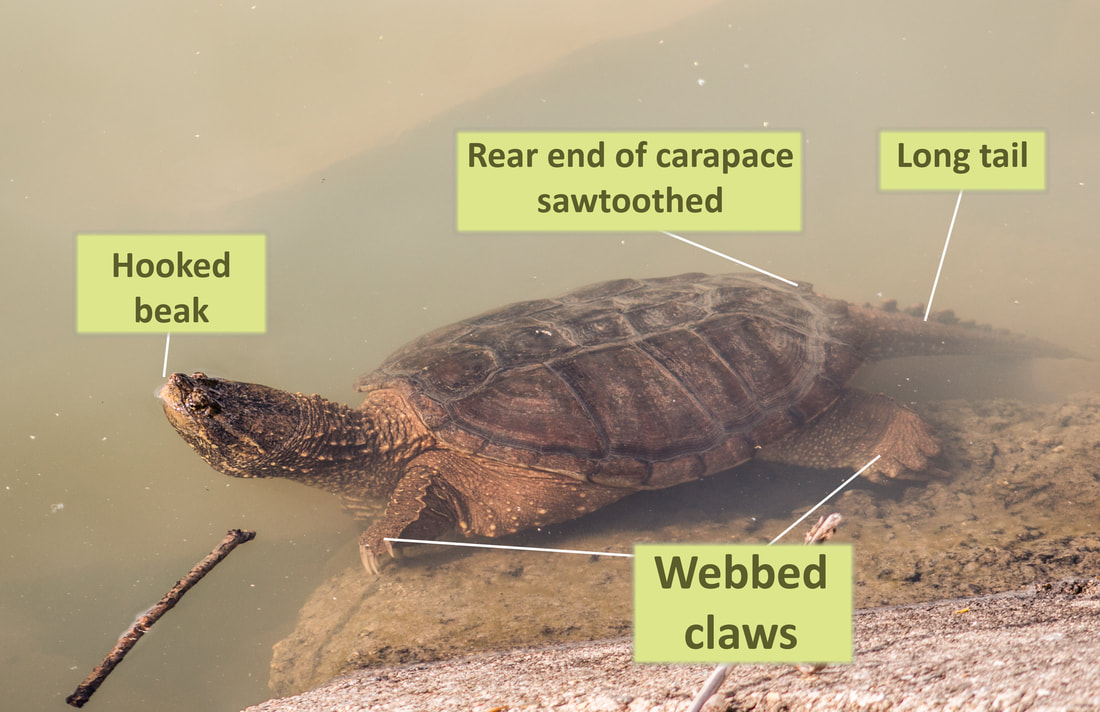
Snapping turtles are fascinating creatures, known for their distinctive appearance and intriguing behaviors. Their rough, serrated shells are as captivating as they are functional. But have you ever pondered the purpose behind the unique design of a snapping turtle’s shell? Could understanding the complexity of its structure unravel clues about its survival? Join us as we dive into the world of snapping turtle shells, exploring their characteristics, functions, and the environmental challenges these remarkable turtles face.
The snapping turtle, scientifically recognized as Chelydra serpentina, features an iconic shell that serves numerous critical purposes. Initially, it’s vital to distinguish between the two primary components of the snapping turtle’s shell: the carapace and the plastron. The carapace is the upper, domed section, while the plastron is the flatter undercarriage. Together, these shells encapsulate the snapping turtle’s body, providing protection and support.
One of the shell’s most striking features is its rough texture. Unlike the smooth, polished shells of many other turtle species, a snapping turtle’s carapace boasts a rugged, often algae-covered exterior. This roughness is not just for aesthetics; it minimizes the risk of predation. The camouflage provided by algae allows snapping turtles to blend seamlessly into their watery habitats, making them less detectable to hungry aquatic predators.
Equally important is the snapping turtle’s plastron, which varies considerably among individuals. While some species sport a complete, hinged plastron, the snapping turtle has a less articulated structure, leaving it vulnerable from below. However, this design choice has its advantages. By allowing a broader range of motion and flexibility, the turtle can react quickly to potential threats, using its formidable beak as a defense mechanism.
But did you know that the shape of a snapping turtle’s shell varies based on its habitat? For those residing in more terrestrial environments, the carapace may be more domed, reducing the risk of overheating. Conversely, snapping turtles that spend their lives in more aquatic locales often exhibit flatter shells, which assist in streamlined swimming. This adaptability presents an intriguing question: How do the various environments impact their shell morphology? Is there an optimal shell shape for survival?
The shell also plays a significant role in the turtle’s buoyancy and locomotion. Snapping turtles possess a unique skeletal structure that allows their heavy shells to help them navigate through water effectively. The body inside the shell is adapted for powerful strokes, compensating for the shell’s weight. Thus, the design is a testament to the delicate balance between structural integrity and functionality, tailored to enhance survival in diverse environments.
While the shell provides protection and buoyancy, snapping turtles also contend with numerous threats, both natural and anthropogenic. Pollution and habitat degradation have become significant challenges for many turtle species. The accumulation of plastics and toxic substances in aquatic environments poses a dire risk to their survival. How can we, as stewards of the environment, ensure that these resilient creatures endure in a world increasingly dominated by human activity? What measures can be taken to mitigate the adverse effects of pollution and habitat loss?
Furthermore, snapping turtles face predation during their vulnerable hatchling stage. Young turtles are not immune to the dangers posed by larger predators, including birds, mammals, and even larger fish. Their shell, while providing some measure of protection, is often insufficient against determined adversaries. As they grow and mature, their shells become thicker and heavier, offering more defense. This raises another compelling question: At what stage do snapping turtles achieve their full protection against predators, and how does this impact their survival rate?
Interestingly, the snapping turtle’s shell is not just a passive object; it also plays an active role in their behavior. During mating season, male snapping turtles engage in complex courtship rituals that may include displaying their shells. The shell effectively communicates health and vitality to potential mates, influencing reproductive success. This leads to the inquiry: How do the physical characteristics of the shell affect mating behaviors, and what implications does this have for the species as a whole?
In conclusion, the common snapping turtle’s shell is a marvel of evolutionary ingenuity, embodying a blend of protection, adaptability, and behavioral significance. From its rugged texture that aids in camouflage to its varying shapes based on habitat, each aspect of the shell serves a purpose beyond mere aesthetics. The ongoing challenges posed by environmental threats call for urgent action and awareness. As we explore these remarkable creatures and their serrated shells, consider what role you can play in preserving their habitats and ensuring their survival. After all, the fate of the snapping turtles is intricately tied to our environment, prompting us to ponder: What can we do today to secure a future for these ancient survivors?









Leave a Comment