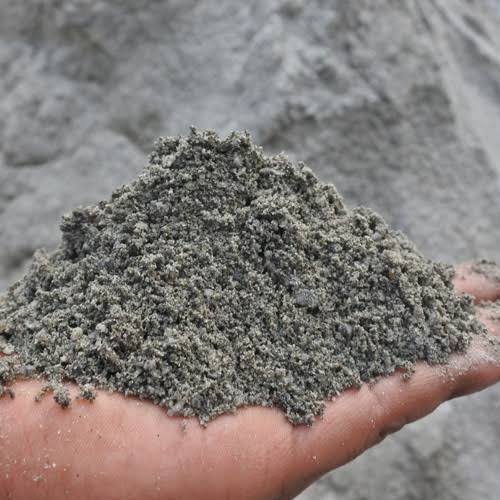
When it comes to creating a stunning landscape that combines functionality and aesthetic appeal, the foundation is crucial. One essential component that often goes unnoticed is concrete sand, especially when it comes to laying pavers. This article delves into the intricacies of concrete sand for pavers, elucidating its types, applications, and benefits, while providing guidance on selecting the most suitable option for your project.
Concrete sand, also referred to as paver sand or leveling sand, plays a pivotal role in the installation of pavers. Its primary function is to act as a bedding material – providing stability, drainage, and support for the pavers that create walkways, driveways, and patios. Understanding the nuances of concrete sand will enhance your capacity to create durable and visually appealing hardscapes.
1. Types of Concrete Sand
Concrete sand is not a one-size-fits-all product; it varies in composition and application. Here are the primary types of sand you can encounter:
- Concrete Sand: This is a coarse form of sand, typically utilized for making concrete mixes, not directly for pavers. It is primarily used as the foundation for concrete slabs.
- Polymeric Sand: Blend of sand and additives that allows for flexibility and stability. It hardens when moistened, helping to prevent weeds and ants from penetrating through paver joints.
- Bedding Sand: Also known as paver base sand, this fine sand is critical for creating a level surface on which pavers are laid. It provides drainage and a cushion effect that accommodates minor shifts.
- Fill Sand: Used for filling voids or depressions and typically found in applications beyond paver installation, such as for leveling ground or under concrete slabs.
2. Properties of Quality Concrete Sand
To ensure a robust and long-lasting patio or driveway, the quality of the concrete sand is paramount. Here are some characteristics to look for:
- Grain Size: The optimal grain size should be uniform and not exceed 1/4 inch. This allows for better compaction and ensures that the sand fills gaps effectively.
- Cleanness: Concrete sand should be free from silt, clay, and organic matter. Impurities can compromise the structural integrity and drainage capabilities of the installation.
- Moisture Content: Some moisture is desirable, but sand should not be overly wet. Excessive moisture can hinder workability and lead to compaction issues.
3. The Importance of Using Concrete Sand in Paver Installation
Using concrete sand for pavers is not a mere suggestion; it significantly impacts performance and longevity. Here’s why:
- Enhanced Drainage: The coarse texture of concrete sand promotes excellent drainage, preventing water accumulation that can lead to erosion and structural damage.
- Stability: Properly laid concrete sand provides a level and sturdy bed for pavers, reducing the chances of shifting over time due to ground movement.
- Flexibility: Different types of concrete sand, such as polymeric sand, offer flexibility to adapt to environmental changes and reduce maintenance needs over time.
4. How to Install Concrete Sand for Pavers
The installation process of concrete sand is straightforward but requires attention to detail to achieve the best results. Here are the steps involved:
- Prepare the Base: Begin by excavating the area where the pavers will be placed, ensuring a depth that accommodates the sand and paver thickness.
- Install Edging: Place edging material around the perimeter to keep the sand contained and prevent shift.
- Add Base Material: If necessary, apply a layer of gravel or crushed stone to enhance drainage and compaction, depending on the soil composition.
- Lay Concrete Sand: Spread a layer of concrete sand over the base material. Use a screed board to level the sand, ensuring an even surface for the pavers.
- Compact the Sand: Use a plate compactor to firmly set the sand, preventing future shifts or settling.
- Lay Pavers: Start laying the pavers from one corner, maintaining consistent spacing, and pressing each paver firmly into the sand bed.
- Fill Joints: After the pavers are all placed, pour polymeric sand into the joints, sweeping away excess to achieve a complete and polished look.
5. Maintenance Tips for Paver Installations
To ensure the longevity of your paver installation, regular maintenance is essential:
- Reseal the Surface: Depending on the product used, it is a good practice to apply a sealant every few years to protect against stains and weathering.
- Weed Control: Monitor for weed growth and address it immediately before it becomes entrenched within the polymeric sand joints.
- Routine Cleaning: Clean your pavers with a mild detergent and water to maintain their appearance and remove debris that could hinder drainage.
In conclusion, concrete sand is undeniably a crucial element in the installation of pavers, offering structural support and enhancing aesthetic appeal. Understanding the different types of concrete sand, coupled with the best practices for installation and maintenance, allows homeowners and landscapers to create durable and beautiful outdoor spaces. By investing time and effort into selecting and applying the right products, you can ensure that your paved areas withstand the test of time, weather, and usage while remaining a charming feature of your landscape for years to come.










Leave a Comment