When it comes to outdoor activities, particularly in the realm of cozy campfires and rustic crafting, few materials evoke a sense of warmth and nostalgia quite like wood. Among the various facets of wood usage, the concepts of “Cord” and “Rick” frequently arise, often leaving individuals puzzled. Are these merely synonyms for a pile of firewood, or do they represent distinct methods and quantities? This playful inquiry presents an engaging challenge for outdoor enthusiasts and those who simply wish to cultivate their knowledge of wood terminology.
To fully appreciate the nuanced differences between a cord and a rick of wood, we must embark on an exploration of definitions, measurements, and practical applications. The subsequent sections will elucidate the distinctions, and by the end, you’ll not only be informed but also equipped to make better decisions for your next wood-based endeavor.
1. Understanding the Basics: What is a Cord of Wood?
A cord of wood is a standardized unit of measure used predominantly in the United States and Canada to quantify firewood. Specifically, it refers to a stack of firewood that measures 4 feet high, 4 feet wide, and 8 feet long, aggregating to 128 cubic feet of wood. This measurement does not include any airspace between or around the logs but encompasses the actual volume occupied by the wood itself. The cord is an essential metric for both sellers and buyers, ensuring there is no ambiguity about the quantity being exchanged.
2. The Rick of Wood: A Less Common Measurement
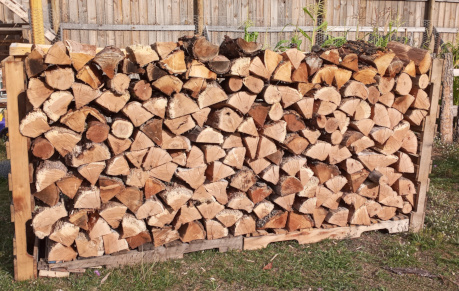
In contrast, a rick is much less formally defined. While it may overlap with the dimensions of a cord, a rick often refers to a stack of firewood that is bound together, usually measuring 4 feet high and 8 feet long, but the width may vary depending on how much wood is piled into the stack. For instance, it could be 1 foot or 2 feet wide, translating to anywhere between 32 to 64 cubic feet of firewood. As such, the ambiguity surrounding the rick makes it imperative for buyers to clarify specific dimensions before purchasing this type of wood. After all, when embarking on a cozy evening by the fire, one wants to ensure there’s no confusion over how many logs will be available for warming up the night.
3. The Vital Importance of Understanding Measurements
As an individual preparing for a camping trip or simply attempting to stockpile wood for a winter’s worth of crackling fires, it is crucial to understand these measurements. The distinction between the cord and the rick of wood not only influences the quantity you will receive but also the cost dynamics involved in your purchase. Buying in cords tends to be more economical per unit volume, while ricks may suit those who require less wood and prefer a smaller scale addition to their outdoor storage. However, it must be noted that asking ambiguous questions such as, “How much is this rick worth?” can lead to differing interpretations. Therefore, being precise in your queries will yield the best results.
4. Why Proper Stacking Matters: Storage and Seasoning
The intricacies of wood usage do not end with measurement. Proper stacking techniques are pivotal to promoting effective seasoning of the wood—a process essential for reducing moisture content, ensuring efficient combustion, and ultimately extending the life of your wood. Whether creating a rick or a cord, there’s an art to creating an airy and stable stack. Seasoned wood can make the difference between an enjoyable fire and a smoky ordeal, making this knowledge invaluable.
When stacking wood, ensure there is adequate space to allow air circulation between the logs, which aids in drying. Additionally, covering the top of the pile and leaving the sides exposed can protect the wood from rain while enhancing exposure to sunlight. The effort spent properly stacking your wood will not only yield better combustion but will also encourage a more appealing aesthetic in your landscape.
5. Choosing the Right Wood for Your Needs
Selecting the right type of wood can vastly affect your fire’s performance and your overall experience. Hardwoods like oak, hickory, and maple are renowned for their long-lasting burn and bright heat, making them a popular choice for heating homes. Conversely, softer woods, such as pine or spruce, ignite more readily and are perfect for kindling but burn out more quickly. Integrating a blend of both can provide a balanced fire experience, giving you the versatility to light your campfire efficiently while allowing the hardwoods to sustain the heat.
6. Fostering a Deeper Appreciation for Firewood
As you familiarize yourself with the nuances of cord versus rick, consider expanding your appreciation for wood itself. Each log tells a story of its previous life—where it grew, the weather it endured, and the wildlife that thrived in its shadow. Engaging with wood—not just as a source of heat but as a natural element that enhances our outdoor experiences—encourages a more sustainable approach to consumption and invites a deeper connection with nature.
In conclusion, navigating the labyrinth of wood terminology, particularly between cords and ricks, presents both a challenge and an opportunity for those passionate about outdoor living and warmth. The nuances of measurement, choice, and storage are not merely practicalities; they encompass the very foundation of creating cherished memories around the fire. By increasing your understanding and fostering an appreciation for firewood, you not only enhance your practical knowledge but also enrich the quality of your outdoor experiences. So the next time you ponder over the distinctions between a cord and a rick, you will have the confidence to select the best wood for your needs and cultivate a greater connection to the natural world.








Leave a Comment