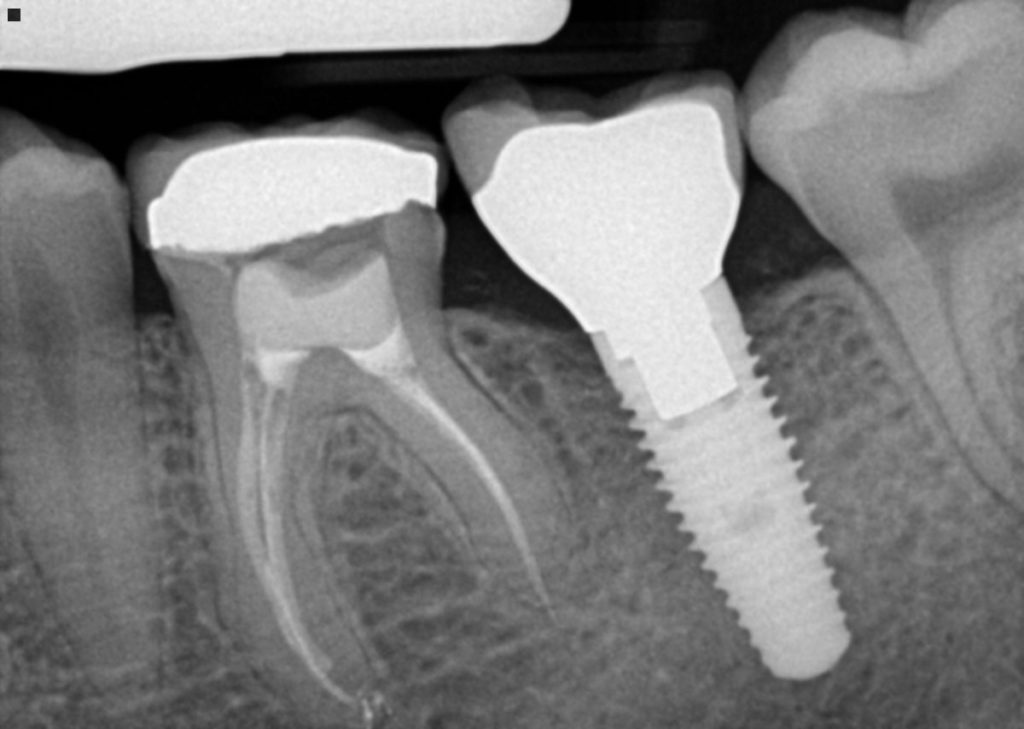
Dental health is an essential aspect of overall well-being, and advancements in imaging technology have revolutionized how dental professionals diagnose and treat oral conditions. Among these technological innovations is Crown X Ray Dental, a sophisticated tool designed to enhance the accuracy and efficiency of dental imaging. This article aims to provide a comprehensive overview of Crown X Ray Dental, detailing the types of content one can expect to encounter regarding this invaluable resource.
1. Understanding Crown X Ray Dental
Crown X Ray Dental encompasses a variety of dental imaging systems that assist practitioners in capturing high-resolution images of the teeth, gums, and surrounding structures. These systems can include digital radiography, panoramic X-rays, and 3D imaging, offering a plethora of options tailored to different diagnostic needs. The core advantage of Crown X Ray Dental is its ability to facilitate early detection of dental anomalies, such as cavities, periodontal diseases, and even tumors.
2. Types of Imaging Services Offered
The configurations of the Crown X Ray Dental system can vary, providing different imaging modalities that cater to specific diagnostic scenarios. Below are the prominent types of imaging services offered.
- Digital Radiography: This method utilizes electronic sensors to capture dental images, significantly reducing radiation exposure compared to traditional X-rays. Digital images can be instantly viewed, manipulated, and stored, enhancing the workflow in dental practices.
- Intraoral X-rays: These images provide detailed views of individual teeth and their root structures. Intraoral X-rays are pivotal for diagnosing cavities, assessing tooth development, and evaluating the roots of teeth.
- Panoramic X-rays: This technique captures the entire jawbone and all the teeth in a single image. It’s particularly useful for evaluating jaw relationships, including orthodontic assessments, wisdom tooth evaluations, and pre-implant planning.
- Computed Tomography (CT) Scans: Utilizing advanced imaging technology, CT scans offer 3D views of the dental and maxillofacial structures. This imaging modality is instrumental for complex cases, such as evaluating tumors or planning major surgical interventions.
3. Benefits of Crown X Ray Dental
The advantages are manifold, heralding a new epoch in dental diagnostics. Key benefits include:
- Reduced Radiation Exposure: Crown X Ray Dental employs advanced technology that minimizes radiation doses, making it safer for both patients and practitioners.
- Enhanced Image Quality: High-definition imaging allows for clearer visuals, aiding dental professionals in making well-informed decisions concerning treatment plans.
- Faster Diagnosis: The ability to obtain images on-demand accelerates the diagnostic process, enabling swift action in treatment when necessary.
- Environmental Considerations: Digital imaging systems eliminate the need for traditional film and chemical processing, promoting eco-friendly practices in dental clinics.
4. Patient Experience with Crown X Ray Dental
Understanding the patient experience during dental imaging is crucial. Patients can expect a streamlined process that prioritizes comfort and clarity. During imaging:
- The technician will explain the procedure, ensuring that the patient understands what to expect, including the duration and purpose of the imaging.
- With advancements in technology, many systems are designed to minimize discomfort, with quicker exposures and less invasive techniques.
- Post-imaging, patients may receive instant feedback on their results, fostering an interactive dialogue between the dentist and patient regarding their oral health.
5. Educational Resources and Content Provided
Readers can anticipate a wealth of educational content surrounding Crown X Ray Dental. This may encompass:
- Informational Articles: Detailed explorations of the types of dental imaging, their specific applications, and technological advancements in the field.
- Videos and Tutorials: Visual aids that explain the imaging process, demonstration of equipment use, and insights on interpreting results effectively.
- Case Studies: Real-life examples showcasing the benefits of Crown X Ray Dental in diverse scenarios, highlighting its role in successful diagnosis and treatment.
- Patient Testimonials: Accounts from individuals who have undergone procedures utilizing Crown X Ray Dental services, providing firsthand perspectives on their experiences and outcomes.
6. Navigating Challenges and Considerations
While the benefits are numerous, there are challenges practitioners may confront when adopting Crown X Ray Dental technology. Considerations include:
- Cost of Implementation: Transitioning to advanced digital systems requires significant investment, which may pose challenges for smaller practices.
- Training and Proficiency: Dental professionals must receive adequate training to efficiently utilize new technologies, which necessitates ongoing education.
- Data Management: With digital imaging comes the need for robust data management systems to store, retrieve, and secure patient records effectively.
Conclusion
Crown X Ray Dental is a milestone in dental imaging technology, offering myriad benefits from enhanced diagnostics to improved patient experiences. The focus on digital efficiency not only streamlines workflow but also elevates the standard of care that dental professionals are able to provide. As the field evolves, continued education and adaptation will be paramount to leverage these advancements fully. Ultimately, the integration of Crown X Ray Dental tools represents a commitment to superior oral health and an innovative approach to dentistry.











Leave a Comment