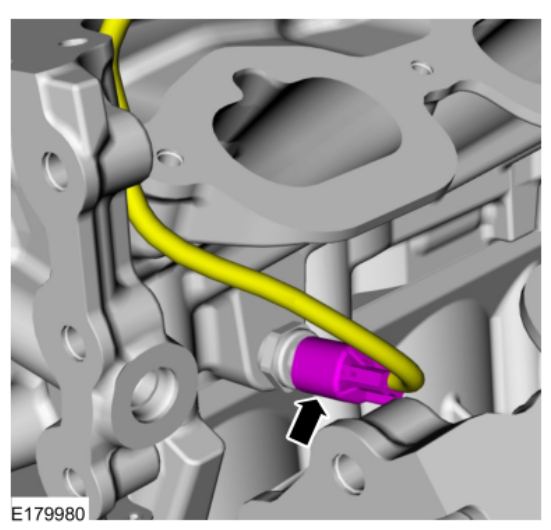
In the intricate realm of engine performance and optimization, the cylinder head temperature sensor emerges as a pivotal component. Understanding this unassuming device reveals its significant role in ensuring engine longevity and efficiency. As engines operate, their cylinders are exposed to intense heat, and monitoring this temperature is crucial for performance tuning, safety, and overall functionality. This article delves into the different types of cylinder head temperature sensors, their applications, and their importance in modern engineering.
Types of Cylinder Head Temperature Sensors
Cylinder head temperature sensors come in various types, each designed to serve specific purposes and operate under particular conditions. The primary types include:
- Thermocouples: Known for their precise temperature readings, thermocouples are popular in automotive applications. They consist of two different metallic wires joined at one end, producing a voltage proportional to the temperature difference between the joined end and the open ends. Their rapid response times make them ideal for monitoring quick fluctuations in temperature.
- RTDs (Resistance Temperature Detectors): Constructed with pure metal, typically platinum, RTDs measure temperature by correlating the resistance of the metal to temperature changes. They are revered for their accuracy and stability, making them suitable for environments where precise temperature control is paramount.
- Thermistors: These are temperature-sensitive resistors that exhibit significant changes in resistance with slight variations in temperature. Thermistors are typically less expensive and highly responsive but have a limited temperature range compared to RTDs and thermocouples.
- Infrared Sensors: Utilizing infrared radiation to measure temperature without direct contact, these sensors are gaining popularity, especially in applications where conventional sensors are impractical due to space or safety considerations.
Key Functionalities and Advantages
The functionalities of cylinder head temperature sensors are decidedly essential. Continuous monitoring of cylinder head temperatures helps prevent overheating, which can lead to catastrophic engine failure. Below are some principal advantages of integrating these sensors into engine management systems:
- Improved Engine Performance: By providing real-time data on temperature changes, the engine control unit (ECU) can adjust fuel injection and ignition timing. This leads to optimal power output and fuel efficiency, enhancing overall vehicle performance.
- Preventive Maintenance: An effective temperature monitoring system enables proactive diagnosis of potential issues. By detecting elevated temperatures early, mechanics can perform necessary maintenance, averting significant repairs or engine replacement.
- Safety Precautions: Overheating poses a severe risk to engine components, which can result not only in engine failure but also in unsafe driving conditions. Reliable temperature sensors help safeguard against such eventualities, proving invaluable in high-performance or racing scenarios.
Installation and Calibration
Proper installation and calibration of cylinder head temperature sensors are crucial for accurate readings. Sensors should be strategically positioned on the cylinder head to obtain representative temperature data. Installation involves tightly securing the sensor in a designated port, ensuring a reliable electrical connection. Calibration requires comparison against a known standard, adjusting the sensor output to ensure the readings reflect the actual temperature. Regular recalibration checks can mitigate drift in accuracy over time.
Integration with Modern Engine Management Systems
In contemporary automotive engineering, cylinder head temperature sensors play an integral role in sophisticated engine management systems. By interfacing with the ECU, these sensors provide critical data that influences various operational parameters. Advanced telemetry linkages relay temperature information to predictive algorithms, facilitating adaptive engine strategies that optimize performance based on real-time conditions. Moreover, the fusion of these sensors with diagnostic tools enhances the diagnostic capabilities, enabling quicker identification of potential failures.
Challenges and Considerations
Despite their many advantages, deploying cylinder head temperature sensors effectively is not devoid of challenges. Environmental factors, such as vibration and exposure to corrosive substances, can compromise sensor accuracy and longevity. Therefore, selecting high-quality sensors designed to withstand specific operational stresses is paramount. Additionally, the importance of routine maintenance cannot be overstated; ensuring sensors are kept free from contaminants and inspected regularly can drastically extend their lifespan.
Future Trends in Cylinder Head Temperature Monitoring
The future landscape of cylinder head temperature sensors is poised for innovation. With the advent of smart materials and nanotechnology, the development of advanced thermal sensors promises enhanced sensitivity and durability. Researchers are also exploring wireless sensor networks, potentially reducing installation complexity and improving data transmission capabilities. Such innovations may enable integration with advanced driver-assistance systems (ADAS), positioning temperature monitoring as a critical element of holistic vehicle performance management.
Conclusion
In conclusion, the cylinder head temperature sensor is a crucial component in the intricate puzzle of engine management systems. By understanding the various types, their functionality, and the challenges faced in their application, one gains insight into their pivotal role in enhancing vehicle performance, safety, and longevity. As technological advancements continue to shape the automotive landscape, the importance of these sensors will only heighten, ensuring that the engines of the future remain efficient, reliable, and safe.









Leave a Comment