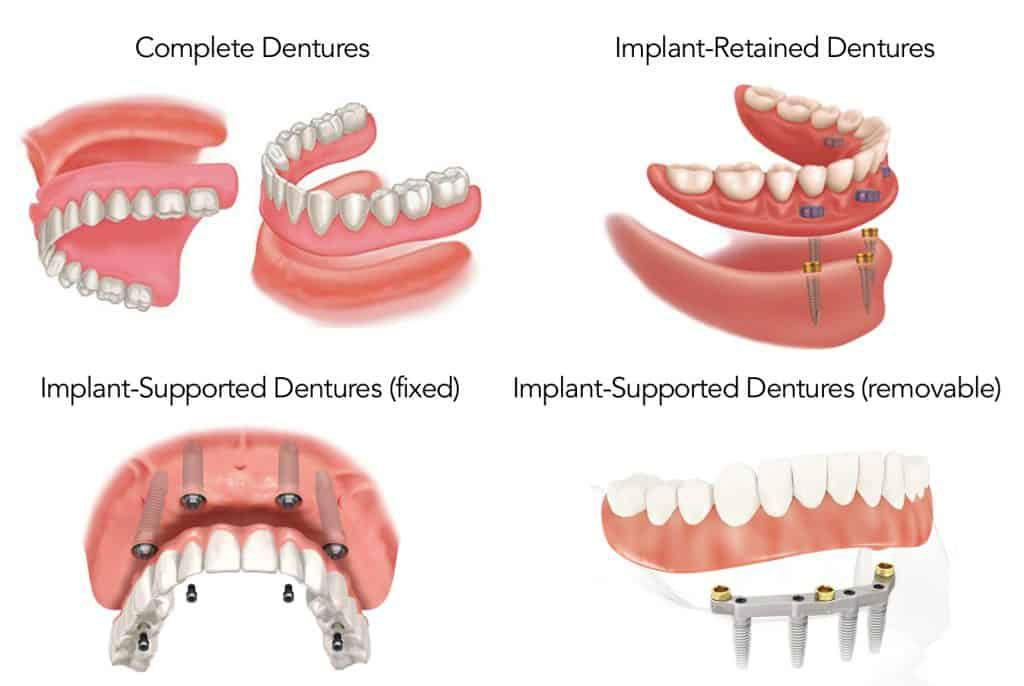
In the realm of dental restoration, the synthesis of aesthetics and functionality has evolved into an art form. Among the myriad of solutions available for those grappling with the challenges posed by missing teeth, dental implants for dentures have emerged as a pioneering option. While traditional dentures have offered a semblance of normalcy, implants introduce an innovative paradigm that addresses numerous deficiencies associated with removable prosthetics. Herein lies the allure of dental implants for denture wearers: they promise not just practicality, but a return to confidence, self-assurance, and a revitalized quality of life.
1. Understanding Dental Implants
Before delving into the symbiosis of dental implants and dentures, it is paramount to comprehend what dental implants entail. These are titanium or zirconia posts surgically embedded into the jawbone, serving as artificial roots for prosthetic teeth. This ingenious design offers stability and strength, enabling the attachment of various dental restorations, including dentures. Their biocompatible nature fosters osseointegration, a process where the bone bonds with the implant, resulting in an anchor that mirrors the functionality of natural tooth roots.
2. The Limitations of Traditional Dentures
Traditional dentures, while beneficial, are not without their drawbacks. Many users lament issues such as slippage, discomfort, and difficulty in eating a varied diet. The presence of adhesives serves only as a temporary fix, and frequent adjustments are often required as the jawbone gradually changes shape. This leads to a cycle of frustration. The allure of dental implants lies in their ability to transcend these inadequacies, offering a more stable and comfortable solution.
3. Compatibility and Customization
Not all dentures are created equal, and implants can be tailored to suit individual needs. This compatibility factor allows for a myriad of options, including complete or partial dentures supported by implants. Customization can reflect in various dimensions—size, shape, and even the material used—ensuring a personalized fit that aligns seamlessly with the patient’s oral anatomy. The end result is a prosthetic that not only looks natural but also functions much like the original teeth.
4. The Procedure: What to Expect
The journey towards acquiring dental implants for dentures is gradual yet rewarding. The initial phase often involves comprehensive consultations, including imaging studies and dental examinations to gauge the patient’s eligibility. Following this, the surgical process begins. The implant is placed into the jawbone, and a healing period is necessary to allow osseointegration to occur. Once the implant has stabilized, a connector (abutment) is added, followed by the custom denture attachment. The entire process can span several months but culminates in a long-term solution that enhances everyday living.
5. Enhancing Longevity: Care and Maintenance
Even with advanced technology, the longevity of dental implants is contingent upon rigorous maintenance. Regular dental check-ups, meticulous oral hygiene, and possibly a dietary modification can mitigate complications. Unlike traditional dentures, which may require routine replacement, implants, when cared for diligently, can last for decades. This makes them not only a favorable choice in terms of functionality but also a prudent financial investment in the long run.
6. Psychological Benefits
The impact of dental aesthetics extends beyond the physical. With enhanced stability and comfort, many individuals report significant improvements in self-esteem and body image. A confident smile can reinvigorate social interactions, encourage professional opportunities, and foster emotional well-being. This psychological aspect underscores the multifaceted benefits of dental implants for dentures, emphasizing that they are not merely about oral health but are instrumental in enhancing one’s overall quality of life.
7. Cost Considerations
The investment in dental implants can be considerable, often deterring potential candidates. However, it is essential to recognize the long-term savings inherent in this approach. While the upfront cost may be higher than that of traditional dentures, the durability and reduced need for replacements translate into financial practicality over time. Additionally, many insurance plans are beginning to cover a portion of implant-related expenses, making them more accessible.
8. Potential Risks and Complications
While the success rate of dental implants is impressively high, it is imperative to acknowledge that not every patient is an ideal candidate. Factors such as pre-existing medical conditions, oral hygiene habits, and smoking can influence outcomes. Possible complications, such as infection or implant failure, underscore the importance of candid discussions with dental professionals before proceeding. An informed decision is always the best decision.
Conclusion: A Sea Change in Dental Restoration
The advent of dental implants for dentures represents a significant shift in the quest for effective dental restoration solutions. By addressing the numerous challenges posed by traditional dentures, implants have redefined standards of comfort, functionality, and aesthetic appeal. They encapsulate a journey—where medical innovation meets personal transformation—allowing individuals not just to chew and smile, but to rediscover the joy of food and connection with the world. For those considering this fusion of modern dentistry, the exploration could lead to an enriching and life-altering experience.









Leave a Comment